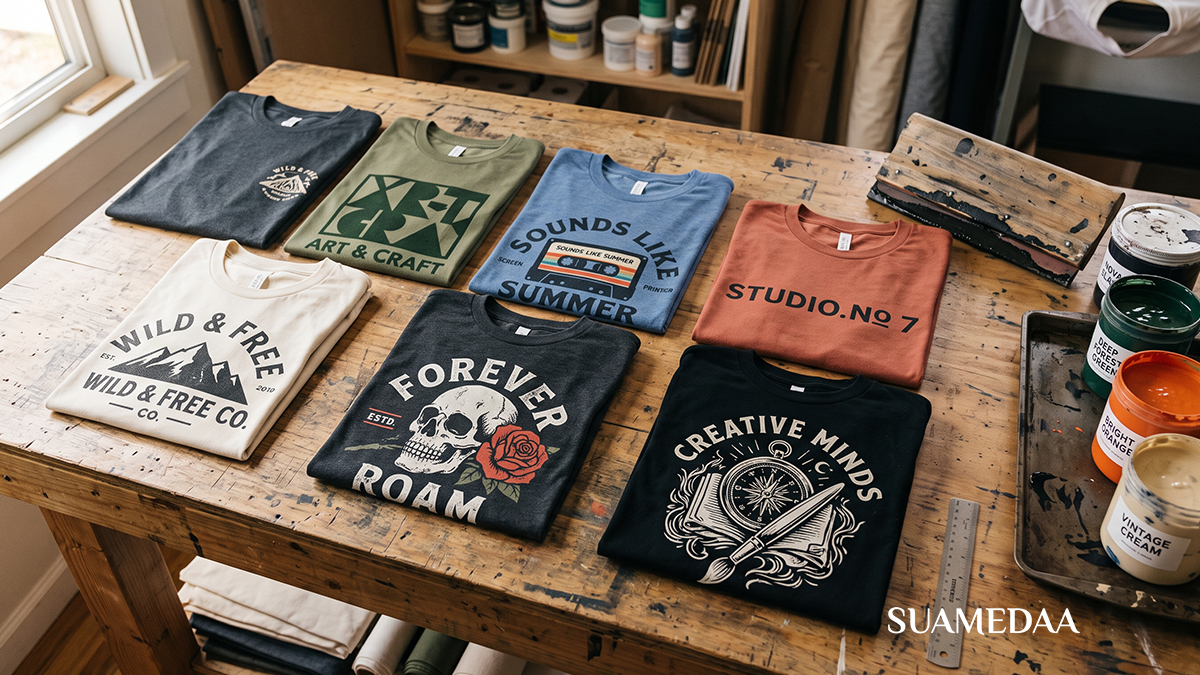
Fabric Printing 101 – Techniques for Custom Apparel
Anyone who has ever ordered a batch of custom t-shirts for a small business, a family reunion, or a band’s merch table has run into the same fork in the road: which printing method actually fits the design, the budget, and the fabric being used. Fabric printing is not a single process but a whole family of techniques, each with its own strengths, limitations, and ideal use case. Understanding how they differ is the difference between a print that looks sharp and lasts for years and one that cracks, fades, or bleeds after a handful of washes.
Why the Printing Method Matters More Than the Design
A striking design can still fail if it is printed using a technique that isn’t suited to it. A photorealistic gradient will look muddy under a method built for flat color blocks, while a simple one color logo printed through an expensive, detail heavy process is often just wasted money. The right method depends on several factors working together: how many pieces are being printed, how many colors are in the design, whether the design includes fine detail or gradients, what fabric the garment is made from, and how the finished product needs to feel and hold up over time.
Screen Printing
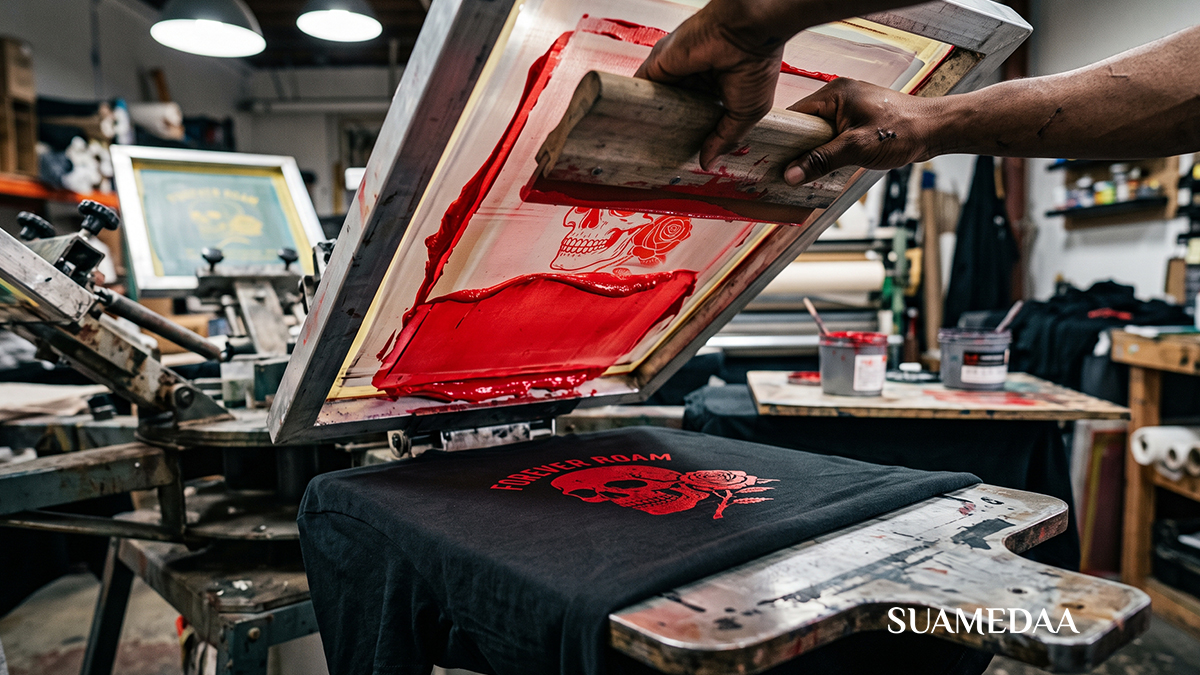
Screen printing remains the most widely used method for custom apparel production, and for good reason. The process works by pushing ink through a fine mesh screen onto the fabric below, with a stencil, called an emulsion, blocking the mesh everywhere the ink shouldn’t pass through. A separate screen is created for each color in the design, and each one is printed in sequence, layering the colors on top of each other to build the final image.

Strengths of screen printing
The ink sits on top of the fabric in a way that produces bold, vibrant, opaque colors, even on dark garments, since the ink itself can be made opaque enough to cover the base fabric color completely. Once the screens are made, printing additional units is extremely fast and inexpensive, which makes screen printing the clear winner for large orders, often anything above 25 to 50 pieces of the same design. The finished print is also highly durable, capable of surviving dozens of wash cycles without significant fading when cured properly.
Limitations of screen printing
The setup cost is the main drawback. Each color requires its own screen, and creating those screens takes time and money regardless of how many shirts are ultimately printed, which makes screen printing a poor fit for small orders or designs with many colors and gradients. Photographic or highly detailed designs also don’t translate well to screen printing without specialized techniques like simulated process printing, which uses a limited set of screens to approximate a wider range of colors.
Direct to Garment Printing
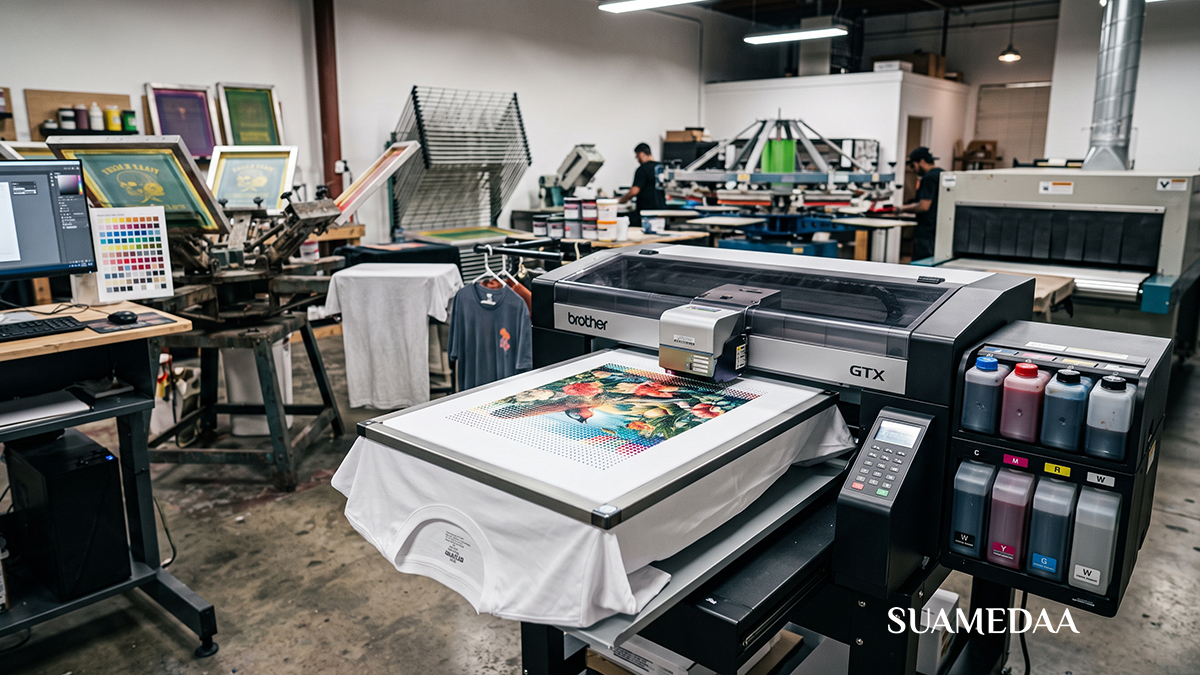
Direct to garment printing, commonly abbreviated as DTG, works essentially like an inkjet printer for fabric. The garment is loaded flat onto a platen, and specialized printheads spray water based ink directly onto the fibers, building the image dot by dot in a single pass, regardless of how many colors or gradients the design contains.
Strengths of direct to garment printing
Because there are no screens to prepare, DTG has almost no setup cost, making it ideal for single item orders, small batches, or designs that need to be printed on demand. It handles complex, photorealistic designs and gradients with ease, since the printer simply reproduces whatever image file it’s given, much like printing a photo on paper. This makes it the preferred method for print on demand businesses selling custom designs online.
Limitations of direct to garment printing
DTG works best on natural fibers, particularly 100 percent cotton, since the ink needs to properly absorb into the fabric, and it performs noticeably worse on polyester or heavily blended fabrics. Per unit cost is higher than screen printing once volume increases, since there’s no economy of scale the way there is with screen setup. The prints, while good, also tend to have a slightly softer hand feel and can be marginally less durable over very high wash counts compared to a well cured screen print.
Heat Transfer Vinyl
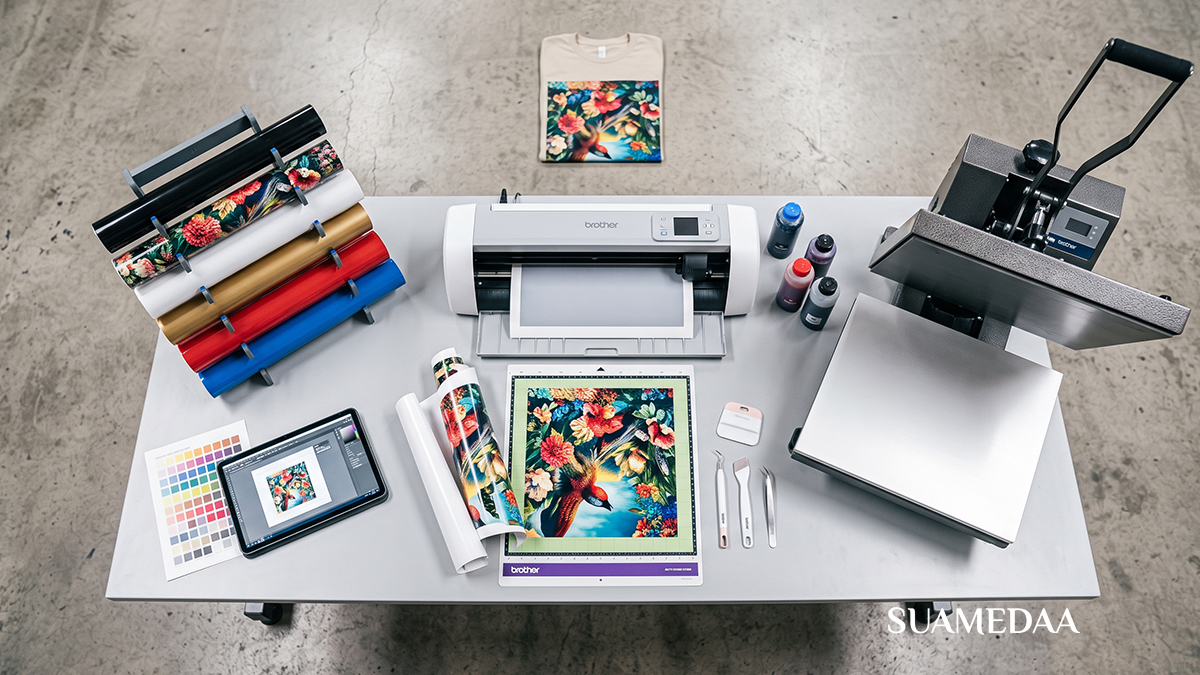
Heat transfer vinyl, often shortened to HTV, involves cutting a design out of a sheet of colored vinyl using a specialized cutting machine, weeding away the excess material so only the design remains, and then using a heat press to bond that vinyl permanently onto the fabric.
Strengths of heat transfer vinyl
This method is highly accessible for small operations and hobbyists, since the equipment needed, a vinyl cutter and a heat press, is relatively affordable compared to industrial screen printing or DTG setups. It produces vivid, long lasting color and works well on a wide variety of fabrics, including some blends and even certain synthetic materials that other methods struggle with. It’s also excellent for single color or simple multi-layer designs, names, numbers, and personalized text, since each layer of vinyl can be cut, weeded, and applied individually with precision.
Limitations of heat transfer vinyl
HTV becomes labor intensive very quickly once a design involves several colors, since each color requires its own cut, weed, and press cycle, layered carefully onto the last. It’s genuinely impractical for photorealistic or gradient heavy designs. The finished print also sits as a distinct layer on top of the fabric, giving it a noticeably different texture than screen printing or DTG, something some customers like for its slightly raised, glossy feel and others find less breathable, especially in warm climates.
Sublimation Printing
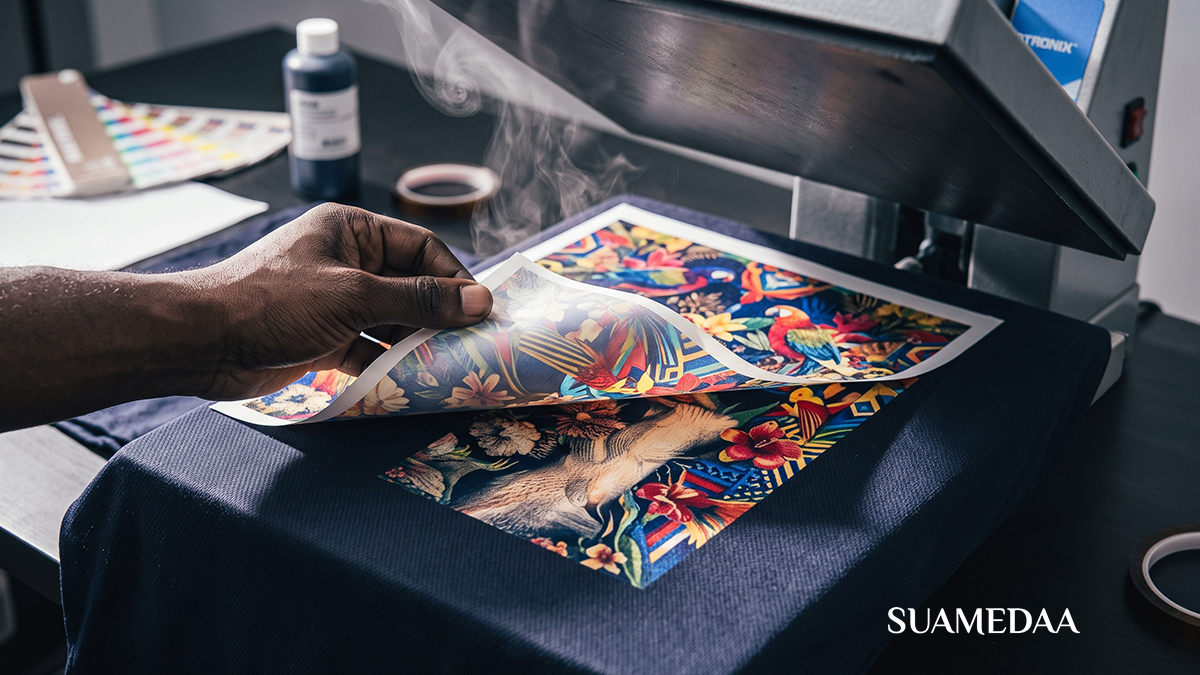
Sublimation printing takes an entirely different chemical approach. A design is first printed onto special transfer paper using sublimation ink, then that paper is pressed against the fabric under high heat, which causes the ink to convert directly from a solid into a gas and bond at a molecular level with the fibers themselves, rather than sitting on top of them.
Strengths of sublimation printing
Because the ink becomes part of the fabric rather than a layer on top of it, sublimated prints have zero texture and are essentially impossible to feel by hand, crack, or peel over time. It can reproduce full color, edge to edge, all over prints with total color freedom, which makes it the standard choice for things like custom sportswear, all over print leggings, and full color polyester products. Color vibrancy and detail reproduction are excellent, rivaling or exceeding DTG in many cases.


Limitations of sublimation printing
The major restriction is fabric compatibility: sublimation only works properly on polyester or polyester coated materials, since the gas bonding process depends on the specific chemical structure of polyester fibers. It typically does not work at all on cotton, and it does not work well on dark garments, since the ink is translucent rather than opaque and needs a light or white base to show true colors.
Discharge Printing
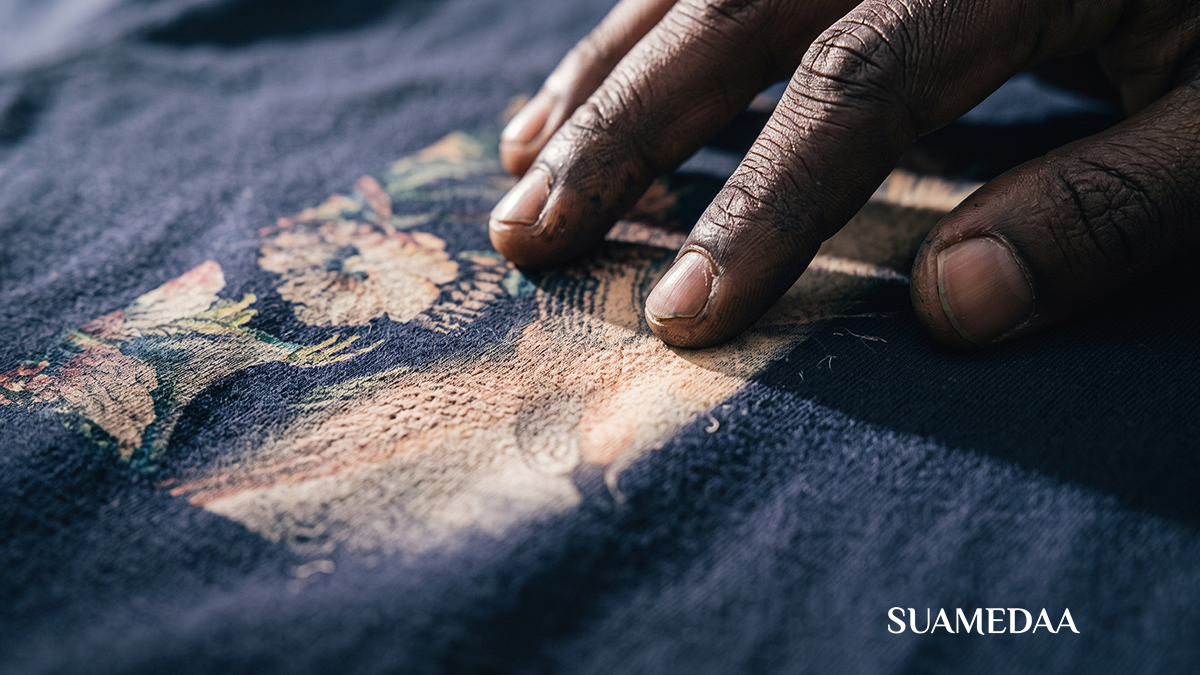
Discharge printing is a specialized technique used almost exclusively on darker cotton garments. Instead of adding a layer of ink on top of the fabric, discharge ink actually removes or “discharges” the existing dye from the fabric in the printed areas, then simultaneously deposits a new pigment into that now lighter area, resulting in a print that sits within the fibers themselves rather than on the surface.
Strengths of discharge printing
The resulting print has an extremely soft hand feel, arguably the softest of any method on this list, since there is essentially no separate ink layer sitting on top of the shirt. It also achieves a level of color vibrancy on dark garments that regular screen printing inks struggle to match without heavy, thick ink deposits.
Limitations of discharge printing
Because it works by chemically reacting with the existing fabric dye, results can vary somewhat depending on the exact dye lot and fabric composition of the garments being printed, making consistency across large batches slightly trickier to guarantee. It also only works well on natural, dye based fabrics, and the chemicals involved require careful handling and proper ventilation during production.
Embroidery
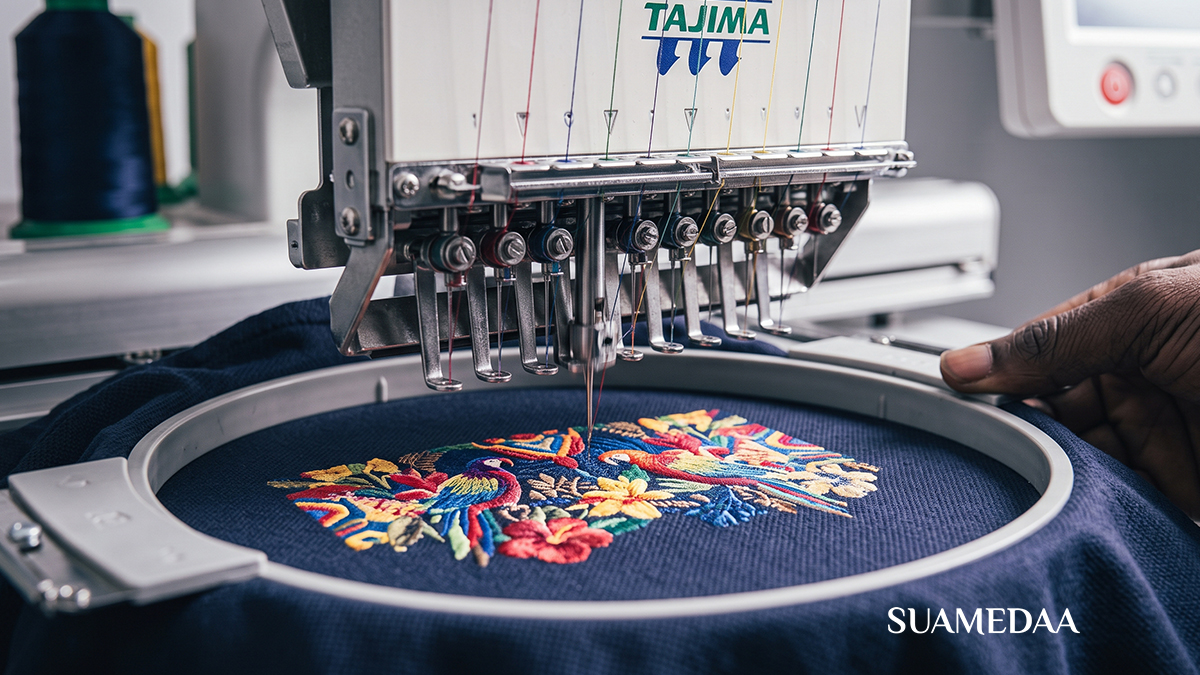
Though technically a stitching process rather than a printing process, embroidery deserves mention as one of the most common ways brands and individuals customize apparel. A digitized design file guides a computerized embroidery machine to stitch thread directly into the fabric, building up the design thread by thread rather than depositing any ink at all.
Strengths of embroidery
Embroidery produces an extremely durable, dimensional result that can outlast the garment itself in terms of wear resistance, since thread doesn’t crack, fade, or peel the way printed ink can over time. It has a premium, textured look that many brands specifically want for polos, caps, jackets, and corporate apparel.
Limitations of embroidery
Fine detail and gradients are essentially impossible to achieve with thread, since embroidery works best with bold, simplified shapes and lettering. It’s also generally the most expensive per unit method on this list for anything beyond very small designs, since stitch count directly drives both machine time and cost, and very large designs can be prohibitively expensive or simply impractical to embroider well.
Matching the Method to the Project
A few general rules of thumb tend to hold up across most custom apparel projects.
For a large order of a single design with a handful of solid colors, screen printing is almost always the most cost effective and durable choice. For a single item, a small batch, or a design with photographic detail and complex gradients, direct to garment printing is typically the better fit, provided the garment is primarily cotton. For personalized names, numbers, or simple text on a budget, heat transfer vinyl offers accessibility and durability without requiring industrial equipment. For vivid, all over, full color designs on polyester athletic wear or synthetic fabric, sublimation is really the only technique built for the job. For a soft, vintage feeling print on dark cotton shirts, discharge printing delivers a hand feel that no other ink based method can fully replicate. And for a premium, long lasting logo on structured garments like polos, jackets, or caps, embroidery remains the gold standard despite its higher cost and design limitations.
Fabric Preparation and Pretreatment
Regardless of which technique is chosen, the fabric itself needs proper preparation to achieve a good result. Cotton garments intended for DTG printing typically require a pretreatment spray that helps the water based ink bond properly to the fibers rather than sinking in unevenly or sitting too loosely on the surface. Screen printing benefits from a clean, lint free surface and proper tensioning of the screen itself to avoid distortion in the final print. Sublimation requires the transfer paper and fabric to be pressed at precise temperature and pressure settings, since too little heat leaves the ink incompletely bonded and too much can scorch delicate synthetic fibers. Skipping or rushing these preparation steps is one of the most common reasons a print that should have looked great instead comes out patchy, faded, or prone to early cracking.
Care Instructions Protect the Investment
However well a garment is printed, poor aftercare can undo months of quality work in a single wash cycle. Turning printed garments inside out before washing reduces direct friction against the printed surface. Cold water washing and avoiding high heat drying both help preserve ink and thread integrity over time, since heat is the primary force that breaks down most printing methods faster than normal wear would on its own. Avoiding fabric softener directly on printed areas also helps, since some softening agents can react poorly with certain ink chemistries over repeated washes.
Fabric printing is less a single skill than a toolkit, and choosing the right tool from that kit depends on order size, design complexity, fabric type, and how the finished piece needs to feel and perform over its lifetime. Screen printing dominates large, simple orders. Direct to garment handles small batches and complex art on cotton. Heat transfer vinyl offers accessible customization for text and simple graphics. Sublimation owns full color polyester production. Discharge printing delivers unmatched softness on dark cotton. And embroidery provides a durable, premium finish where ink simply can’t compete. Understanding these distinctions before placing an order, rather than after receiving a disappointing batch, is the single most useful piece of knowledge anyone entering the custom apparel space can have.