The Benefits of Shea Oil
Shea butter has earned its global reputation across centuries of use in West Africa and decades of scientific validation. It is one of the most comprehensively beneficial plant fats available, rich in fatty acids, triterpenes, vitamins, and anti-inflammatory compounds that support skin, hair, and joint health across a wide range of conditions. Most people who have discovered it already know this. What fewer people know is that shea has a liquid counterpart that delivers the same essential benefits in a fundamentally different format: one that absorbs instantly, leaves no residue, suits facial and oily skin use, blends seamlessly into any oil formulation, and works on fine hair where shea butter cannot.
That counterpart is shea oil, also called shea olein, shea nut oil, or liquid shea, and it is increasingly recognised by cosmetic chemists, formulators, and skincare practitioners as one of the most versatile and underutilised plant oils available. A December 2025 scientific comparison published for skincare formulators at Clinikally described shea olein as highly regarded in skincare due to its emollient characteristics, rapid absorption, and non-greasy finish, making it perfect for serums, lotions, face oils, and hair products. What was a relatively niche product known primarily to formulation professionals a decade ago has become an increasingly visible ingredient in premium skincare and haircare, and with good reason.
This article explains what shea oil is, how it differs from shea butter, what it contains, and what it does for skin, hair, nails, and overall health, with full coverage of the science and practical guidance for incorporating it into daily care.



What Shea Oil Is and How It Differs from Shea Butter
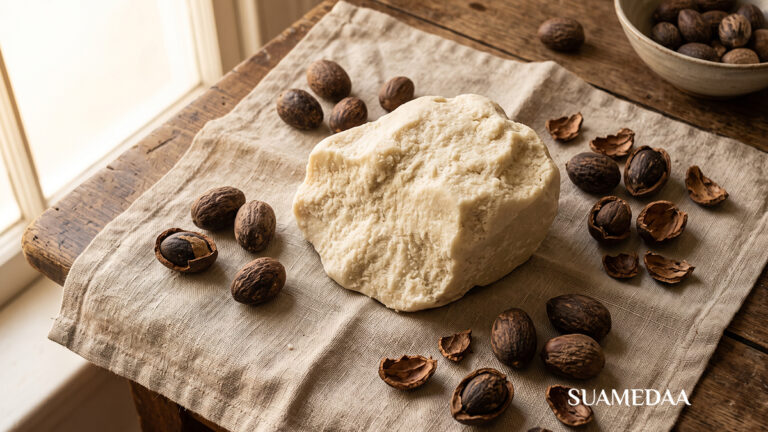
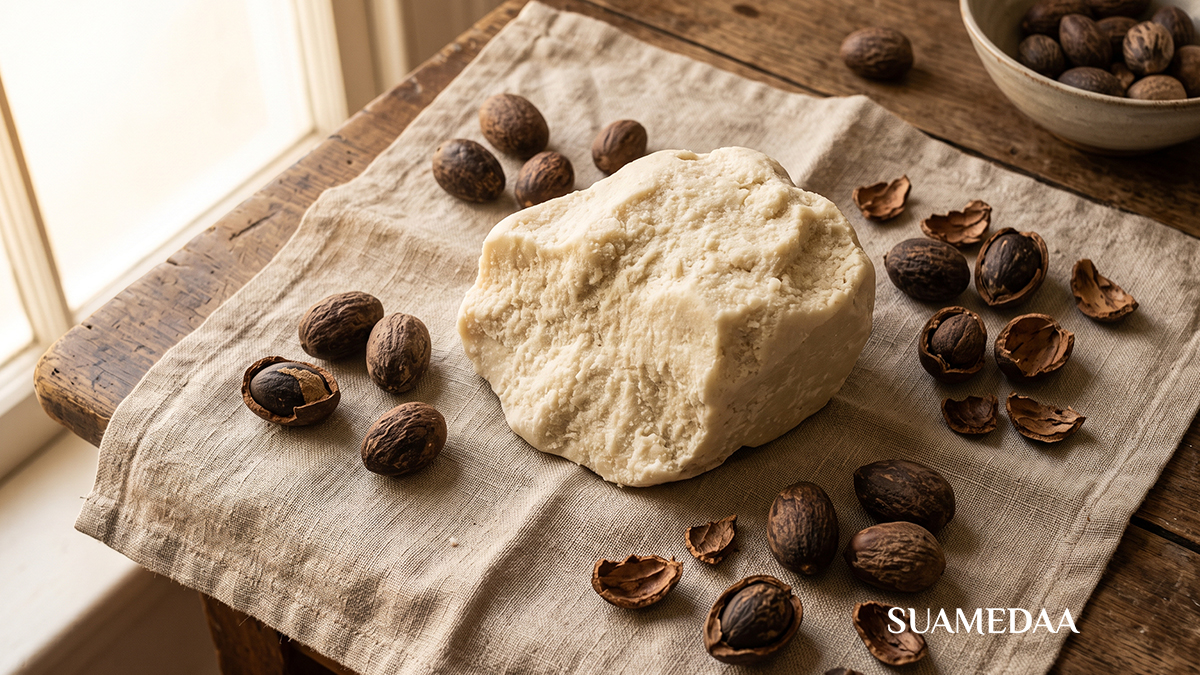
Both shea butter and shea oil originate from the same source: the nut of the shea tree, Vitellaria paradoxa, which grows across the savanna belt of West and Central Africa and has been cultivated and harvested by West African communities, primarily women, for thousands of years. At the point of extraction from the shea nut, both products are the same raw material. What creates shea oil from shea butter is a process called fractionation.
Shea butter, in its natural state, contains a mixture of solid and liquid fatty acids that combine to give it its characteristic semi-solid texture at room temperature. The dominant solid component is stearic acid, a long-chain saturated fatty acid that is solid at room temperature and contributes to the waxy, dense texture of the butter. The dominant liquid component is oleic acid, a monounsaturated fatty acid that is liquid at room temperature and provides much of the butter’s moisturising depth and skin penetration.
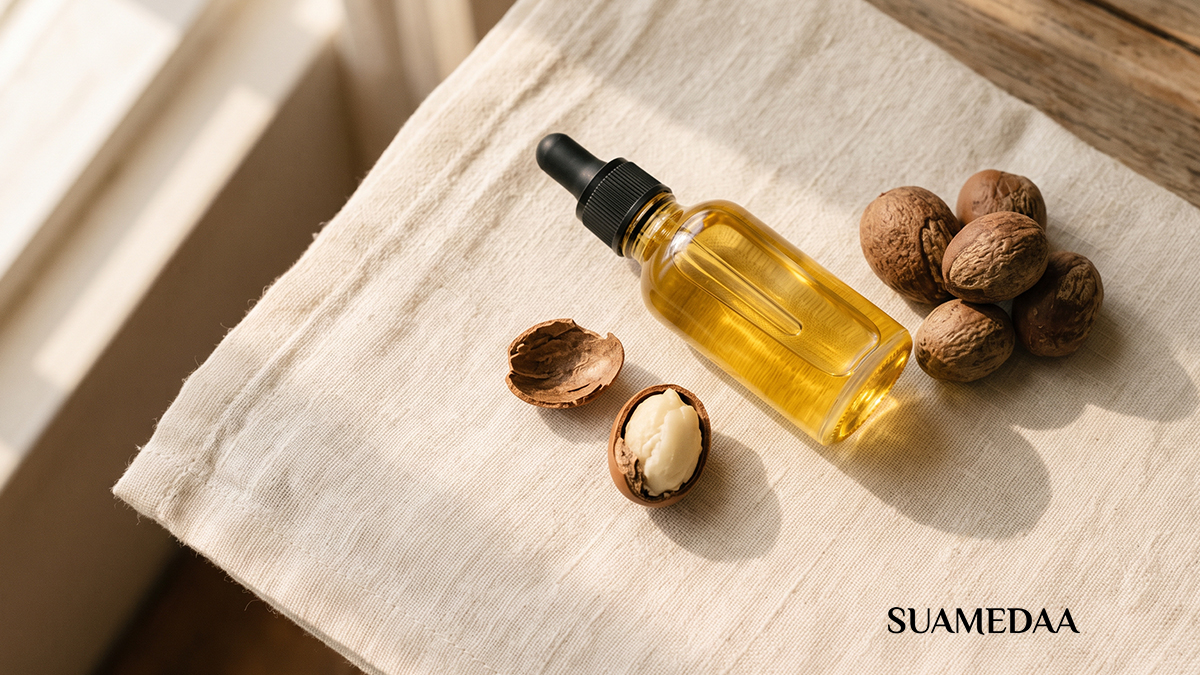
Fractionation separates these two components. The shea butter is gently melted and then allowed to cool under controlled conditions, causing the solid stearic acid fractions to crystallise and settle out while the liquid oleic acid fraction remains fluid. The solid fraction, called shea stearin, is filtered or centrifuged away, leaving behind shea olein: a clear, golden liquid that is fully liquid at room temperature and remains so regardless of ambient temperature.
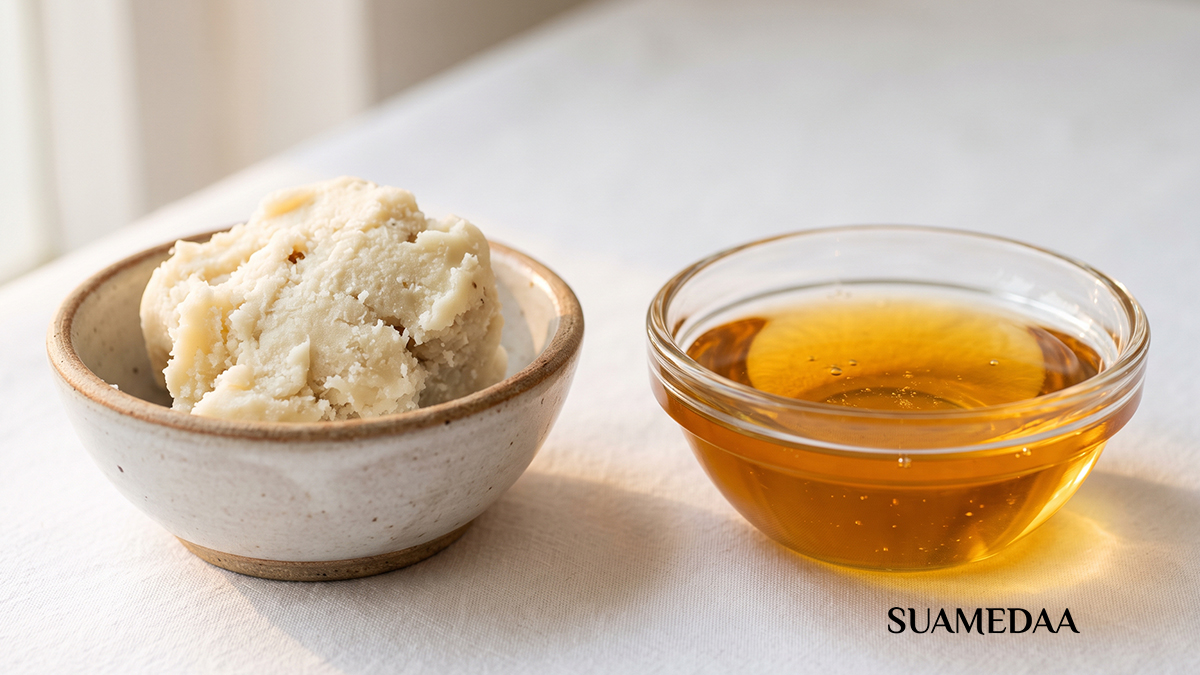
The result of this separation is a significant shift in fatty acid composition. Shea butter contains roughly equal proportions of oleic acid, at around 40 to 50 percent, and stearic acid, at around 35 to 45 percent. Shea oil contains significantly more oleic acid, typically between 55 and 75 percent, and considerably less stearic acid, typically between 10 and 25 percent, alongside meaningful linoleic acid content. This shift in composition is not merely textural. It has direct implications for how the oil behaves on the skin, how deeply it penetrates, and which skin types it is most suitable for.
Crucially, the fractionation process does not remove the compounds responsible for shea’s most important bioactive properties. The unsaponifiable fraction, which carries the triterpenes, phytosterols, tocopherols, and polyphenols responsible for shea’s anti-inflammatory, antioxidant, and skin-regenerating effects, is retained in the shea oil. Some formulation scientists have suggested that the selective removal of the stearic acid fraction may actually concentrate certain unsaponifiable compounds in the remaining oil, potentially increasing the relative density of some bioactive compounds per unit volume.


The practical differences between shea oil and shea butter that follow from this composition are significant:
Shea oil is liquid at all temperatures. It does not harden in cool climates, does not need to be warmed between the palms before application, and does not change texture seasonally. Shea butter becomes hard and difficult to scoop and apply in cold conditions.
Shea oil absorbs into the skin almost immediately, leaving no greasy residue. Shea butter, while absorbed well, takes longer and may leave a temporary occlusive film.
Shea oil has a comedogenic rating of 0 to 1, making it one of the lowest-rated plant oils in terms of pore-clogging tendency. Shea butter has a rating of 0 to 2. The difference is modest but meaningful for people with oily or acne-prone skin who cannot tolerate richer butters on the face.
Shea oil has a lighter, nearly neutral scent compared to the distinctive nutty aroma of unrefined shea butter. For people who find the shea butter scent pronounced, shea oil is a seamless alternative.



Shea oil blends instantly and homogeneously with other oils, serums, and liquid formulations without requiring emulsification. Shea butter requires melting before it can be incorporated into liquid formulations.
The Nutritional Composition of Shea Oil
The bioactive profile of shea oil reflects both what it shares with shea butter and what its higher oleic acid content specifically adds.
Oleic acid, the dominant fatty acid in shea oil at 55 to 75 percent of composition, is a monounsaturated omega-9 fatty acid with well-documented benefits for skin barrier function, deep skin penetration, and conditioning. It is the primary fatty acid in olive oil and is responsible for much of olive oil’s documented skin health effects. Oleic acid disrupts lipid bilayers in the upper skin layers, facilitating the penetration of other beneficial compounds alongside it. For this reason, oleic acid-rich oils tend to be deeply moisturising rather than merely surface-level, delivering their nourishing compounds into the living layers of the skin rather than remaining as a surface coating.
Linoleic acid, present at a higher relative proportion in shea oil than in shea butter due to the reduction in stearic acid concentration, is an omega-6 essential fatty acid that the skin cannot synthesise itself and must obtain from dietary or topical sources. Linoleic acid is a structural component of the skin’s ceramide matrix, the lipid structure within the skin’s barrier that determines barrier integrity and water retention capacity. Deficiency in linoleic acid at the skin level is associated with impaired barrier function, increased transepidermal water loss, and a predisposition to inflammatory skin conditions including acne and eczema.
Palmitic acid is a saturated fatty acid present in smaller amounts that contributes to the skin-softening emollient properties of the oil and helps stabilise the formulation against oxidative degradation.
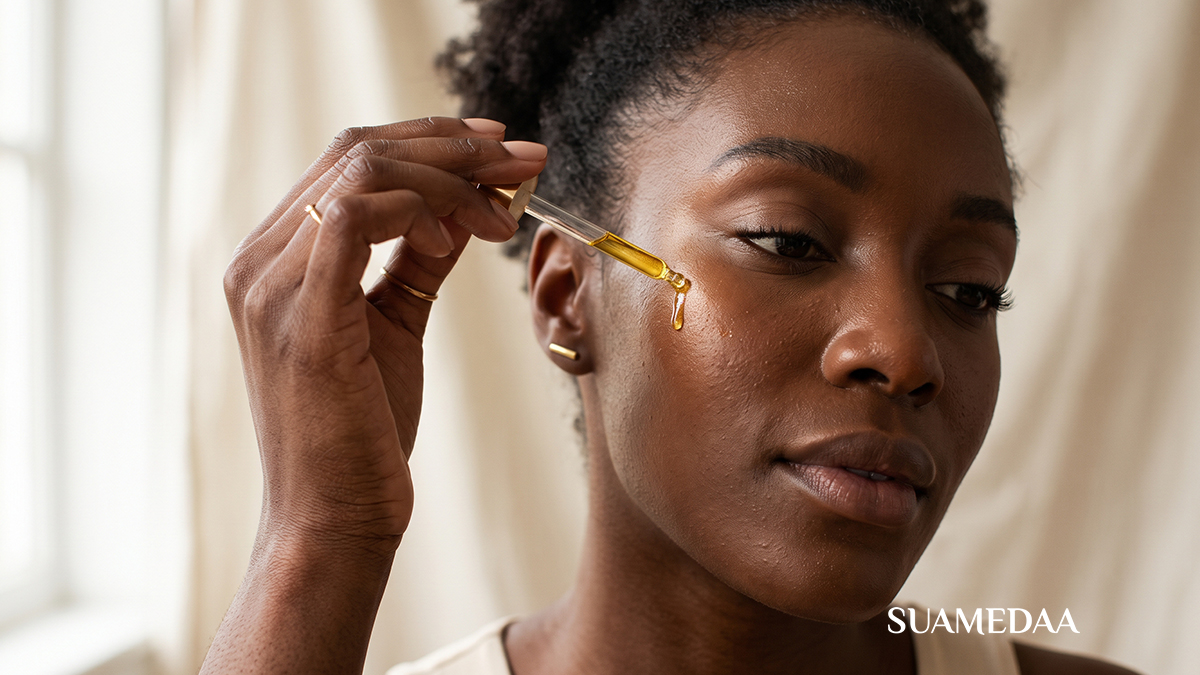
The unsaponifiable fraction, retained from shea butter through the fractionation process, brings the compounds most responsible for shea’s therapeutic reputation beyond basic moisturisation. Triterpenes including lupeol, alpha-amyrin, beta-amyrin, and butyrospermol carry the anti-inflammatory and collagen-supporting properties confirmed in extensive research on shea compounds. Tocopherols, the vitamin E forms present in shea, are potent fat-soluble antioxidants that protect cell membranes from lipid peroxidation and support skin barrier repair. Phytosterols, including beta-sitosterol, campesterol, and stigmasterol, have documented anti-inflammatory and skin-conditioning properties and support the skin’s own sterol-dependent barrier function. Polyphenols, including catechins and other phenolic compounds, contribute further antioxidant activity and the mild antimicrobial properties associated with shea preparations.
Vitamins A, D, E, F, and K, present in shea butter, are retained in shea oil in concentrations that vary with the specific fractionation process and the quality of the source shea. Vitamin A in the form of beta-carotene and retinol precursors supports cellular turnover. Vitamin E in the form of tocopherols provides antioxidant protection. Vitamin K supports the coagulation-related processes relevant to healing and under-eye skin health. Vitamin F, which is the collective term for the essential fatty acids linoleic and alpha-linolenic acid, supports barrier function through the ceramide synthesis pathway.
Superior Skin Moisturisation
The moisturising capacity of shea oil is one of its most immediately perceptible and most broadly applicable benefits. Applied to skin, it sinks in rapidly and produces a lasting improvement in skin softness, suppleness, and texture without the greasy or occlusive sensation that heavier oils and butters leave.
The mechanism of this moisturisation is primarily emollient rather than occlusive. Where shea butter’s stearic acid creates a partially occlusive layer that slows water evaporation from the skin surface, shea oil’s high oleic acid content penetrates the lipid spaces between skin cells, filling them and restoring suppleness from within. This deeper emollient action is particularly effective for skin that is dry below the surface rather than just at the surface: skin that appears normal but feels tight, or skin that drinks in product without staying moisturised for long.
The linoleic acid in shea oil contributes to moisturisation through a different pathway: it supports the production and integrity of ceramides in the skin’s stratum corneum, the outermost layer of the skin that acts as the primary barrier to water loss. A ceramide-rich barrier retains moisture more effectively than a ceramide-depleted one, which means that the moisturising effect of shea oil applied consistently over time is cumulative: the barrier improves with regular use, and the skin requires less product to maintain hydration as the structural capacity to hold moisture is restored.
Research published in 2025 on the in vitro effects of shea-derived compounds on skin barrier function confirmed significant improvements in both skin hydration and barrier integrity in skin tissue treated with shea components. The inclusion of shea oil in daily skincare produces measurable and progressive improvements in skin hydration that compound over weeks and months of consistent use.
Skin Barrier Repair and Protection
The skin barrier is the body’s most important physical defence: a tightly organised layer of cells and intercellular lipids that keeps moisture in and environmental irritants, allergens, and pathogens out. When the barrier is compromised, whether by harsh skincare products, environmental exposure, chronic inflammatory skin conditions, or simple age-related thinning of the lipid matrix, the consequences cascade through the entire skin: increased sensitivity, heightened reactivity, persistent dryness, susceptibility to infection, and accelerated visible ageing.
Shea oil’s composition makes it one of the most effective natural barrier repair agents available. Its linoleic acid directly participates in the synthesis of the ceramides that are the structural backbone of the barrier’s lipid matrix. Research has consistently shown that topical application of linoleic acid-rich oils improves ceramide production and barrier function in skin with documented barrier impairment, including in eczematous and chronically dry skin.
The phytosterols in shea oil’s unsaponifiable fraction play a complementary role: phytosterols structurally resemble the skin’s own cholesterol, one of the three primary components of the intercellular lipid matrix alongside ceramides and free fatty acids. When applied topically, phytosterols integrate into the barrier structure, reinforcing its lipid organisation and improving its functional integrity in a way that is both immediate and cumulative.
The tocopherols protect the barrier lipids from oxidative degradation, which is one of the primary mechanisms by which environmental pollution and UV exposure compromise barrier function over time. Well-maintained barrier lipids resist this oxidative degradation better than depleted ones, making the antioxidant activity of shea oil’s tocopherols a protective investment in barrier longevity rather than merely an anti-ageing gesture.

Anti-Inflammatory Activity
The anti-inflammatory properties of shea’s triterpene compounds, which are retained in shea oil through the fractionation process, represent one of the most distinctive aspects of shea’s therapeutic profile and one of the most thoroughly researched areas in the scientific literature on shea.
The dominant triterpenes in shea oil, lupeol, alpha-amyrin, beta-amyrin, and butyrospermol, occurring primarily as acetyl and cinnamoyl esters, have been demonstrated to inhibit the NF-kB inflammatory pathway, one of the central molecular switches controlling the expression of pro-inflammatory genes in human cells. Research by Akihisa and colleagues found that lupeol cinnamate, one of the triterpene esters present in shea, exhibited anti-inflammatory activity more potent than the pharmaceutical reference compound indomethacin in standard laboratory inflammation assays.
For practical skin applications, this anti-inflammatory activity translates into a genuine capacity to reduce the redness, swelling, and discomfort of inflamed skin conditions. Applied to irritated skin, shea oil calms the inflammatory response rather than merely coating the surface and masking sensation. For conditions involving chronic low-level inflammation, including rosacea, perioral dermatitis, post-procedural skin sensitivity, and environmental irritation, regular use of shea oil provides a gentle but mechanistically genuine reduction in the inflammatory burden.
The cinnamic acid derivatives in shea oil add a complementary anti-inflammatory mechanism through prostaglandin inhibition, reducing the signalling molecules responsible for the vasodilation and sensitisation of inflammatory skin responses. Silkbiotic’s 2024 analysis of shea components noted specifically that cinnamic acids contained in shea have anti-inflammatory properties, confirming the dual anti-inflammatory mechanism: triterpenes via NF-kB inhibition and cinnamic acid derivatives via prostaglandin modulation.
Anti-Ageing and Collagen Support
Shea oil’s anti-ageing benefits operate through the same fundamental mechanisms as shea butter but deliver them in a format that is particularly suited to the facial skin where age-related changes are most visible and most cosmetically significant.
The triterpenes in shea oil, particularly lupeol and the amyrin compounds, stimulate fibroblast activity and collagen production in the dermis, counteracting the age-related decline in collagen synthesis that is the primary cause of wrinkle formation, loss of firmness, and skin thinning. Research has confirmed that shea nut unsaponifiable compounds inhibit collagenase and elastase, the enzymes that break down existing collagen and elastin fibers, preserving the structural integrity of the dermis against both age-related and UV-induced degradation.
The tocopherols in shea oil are among the most effective fat-soluble antioxidants available for topical use, neutralising the lipid peroxidation chain reactions in cell membranes that accumulate as cellular oxidative damage over time. Because tocopherols are fat-soluble, they are most effectively delivered to skin cells through a lipid carrier, which is precisely what shea oil provides: a fatty acid matrix that is absorbed efficiently into the skin’s lipid-rich layers, carrying its antioxidant payload directly to the cell membranes where it is most needed.
The vitamin A precursors in shea oil promote cellular turnover without the irritation associated with pharmaceutical retinoids, making shea oil a gentler but still effective approach to the cell renewal that keeps the skin surface brighter, smoother, and more even-toned. For people who cannot tolerate retinol or prescription retinoids due to sensitivity, rosacea, or reactive skin, shea oil provides a milder pathway to the same cellular renewal benefit.
The cinnamic acid esters in shea oil provide a modest degree of natural UV absorption, adding a background layer of photoproective activity that complements dedicated sunscreen in daily anti-ageing protection. While not a sunscreen substitute, consistent daily use of shea oil beneath an SPF product provides an additional antioxidant buffer against the free radical damage generated by UV radiation that reaches the skin despite sunscreen application.
Facial Skin: Why Shea Oil Works Where Shea Butter Cannot
One of the most practically significant advantages of shea oil over shea butter is its suitability for facial use across a much wider range of skin types. The face is the skin area where most people focus their skincare attention, invest the most in products, and are most sensitive to the feel, finish, and congestion potential of what they apply.
Shea butter, despite its exceptional benefits, is not universally suitable for facial use. Its stearic acid content gives it a heaviness on the face that many people, particularly those with oily, combination, or acne-prone skin, find uncomfortable or congesting. Its comedogenic rating of 0 to 2, while low, means that for some individuals with sensitive or reactive pores, it can contribute to breakouts when applied to the face regularly.
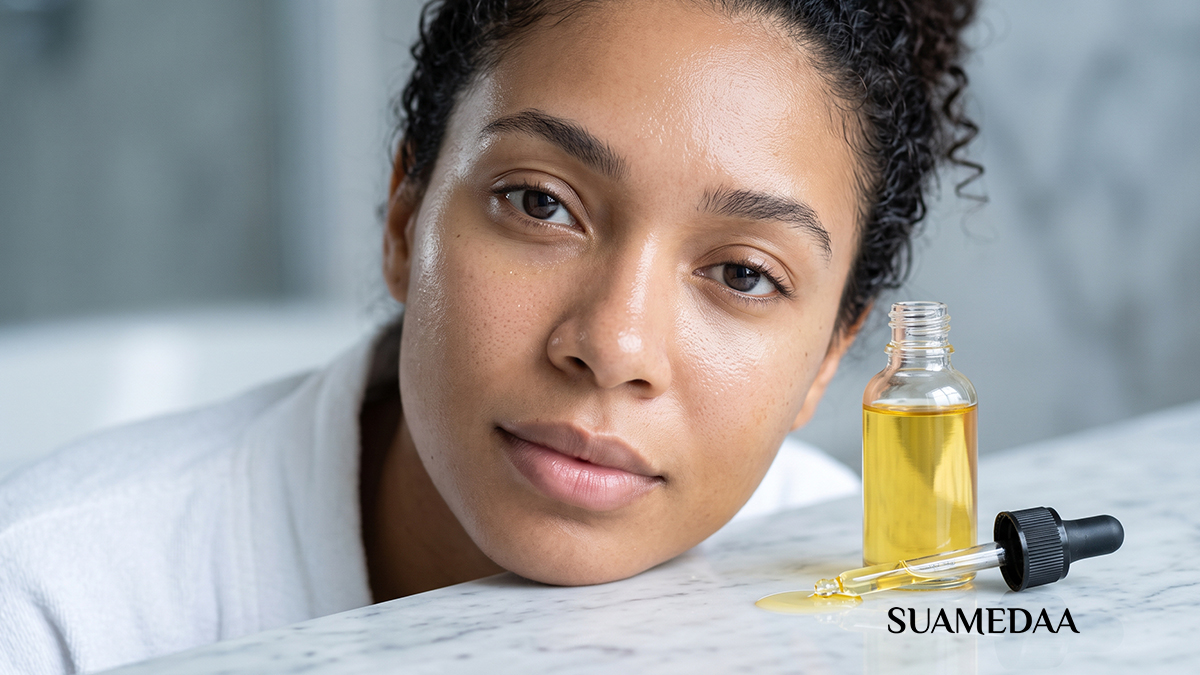
Shea oil, with its comedogenic rating of 0 to 1 and its fast-absorbing, non-greasy texture, is one of the most facial-friendly plant oils available, comparable in its non-comedogenic profile to jojoba oil, which is widely considered the gold standard for non-comedogenic facial oils. It is appropriate for daily facial use on dry, normal, combination, oily, and acne-prone skin types, making it one of very few facial oils genuinely suited to the full spectrum of skin types.
Applied to the face as a facial oil, it delivers all the benefits of shea in a format that most skin types experience as comfortable and non-congesting: the anti-inflammatory triterpenes calm facial redness and sensitivity, the oleic acid provides deep moisturisation, the linoleic acid supports barrier function and reduces acne-prone skin’s tendency to produce the abnormal, comedone-forming sebum associated with linoleic acid deficiency, and the antioxidants protect against the photoageing and pollution damage to which facial skin is continuously exposed.
For people who use retinol, acids, or other active ingredients that compromise the skin barrier as part of their routine, shea oil applied after actives provides barrier support and anti-inflammatory soothing that reduces the irritation and sensitivity these active ingredients typically produce.
Acne-Prone Skin
The application of shea oil to acne-prone skin may seem counterintuitive, but it is supported by specific biochemical reasoning. Acne-prone skin is characterised, at the lipid chemistry level, by sebum that is deficient in linoleic acid compared to non-acne-prone skin. This linoleic acid deficiency contributes to the production of comedogenic, pore-blocking sebum and to the impaired skin barrier function that allows acne-causing bacteria to thrive.
Topical application of linoleic acid-rich oils has been shown to normalise the linoleic acid content of skin and sebum in acne-prone individuals, reducing the tendency to form comedones and the overall inflammatory acne burden. Shea oil’s elevated linoleic acid content relative to shea butter makes it a particularly well-suited choice for acne-prone skin among shea-derived products.
The anti-inflammatory triterpenes reduce the redness and swelling of active inflammatory acne lesions. The antimicrobial properties of shea’s polyphenolic compounds provide a gentle, non-drying inhibitory effect on acne-causing bacteria. The non-comedogenic rating of 0 to 1 ensures that the oil itself does not add to the pore-clogging burden. And the skin barrier-supporting ceramide pathway benefits of the linoleic acid content reduce the baseline barrier vulnerability that makes acne-prone skin more susceptible to environmental bacterial colonisation.
Used as a lightweight daily facial oil on acne-prone skin, shea oil provides moisturisation, barrier support, anti-inflammatory action, and gentle antimicrobial activity simultaneously, addressing multiple components of the acne cycle through a single natural ingredient.
Eczema and Sensitive Skin Conditions
The combination of barrier repair, anti-inflammatory activity, and the absence of any synthetic additives, fragrances, or preservatives that might trigger sensitisation makes shea oil a particularly well-suited treatment for eczematous and sensitive skin.
Eczema involves both a structural barrier failure, allowing allergens and irritants to penetrate and trigger immune responses, and an ongoing inflammatory response in the skin that perpetuates itself even in the absence of active allergen exposure. Shea oil’s linoleic acid and phytosterols address the structural barrier failure by supporting ceramide production and reinforcing the barrier’s lipid architecture. The triterpenes and cinnamic acid derivatives address the inflammatory component by inhibiting the NF-kB pathway and prostaglandin production that drive the eczematous inflammatory cycle.
The fact that shea oil is a completely natural product in its unprocessed form, containing nothing that is not derived from the shea nut, means it carries none of the sensitisation risks associated with conventional topical preparations for eczema, which frequently contain preservatives, fragrances, and emulsifiers that are common triggers for contact allergic reactions in eczema-prone individuals.
For children with eczema, shea oil is among the safest and most gentle options available, providing effective barrier and anti-inflammatory support without any of the systemic or sensitisation risks associated with pharmaceutical topical steroids at the same level of inflammatory activity.
Hair and Scalp Health
Shea oil is, in many respects, more suitable for a wider range of hair types than shea butter. Its liquid texture, rapid absorption, and lack of the residue-leaving stearic acid fraction mean it conditions the hair without weighing it down, making it appropriate for the fine-to-medium hair types where shea butter can feel heavy and contribute to limpness or product buildup.
For natural, coily, and kinky hair textures, shea oil provides the same deep oleic acid-based moisturisation as shea butter but with faster absorption and easier distribution through the hair shaft. It can be applied more generously than shea butter without risk of greasiness, allowing better coverage across the length of the hair.
The oleic acid in shea oil penetrates the hair cortex, the structural core of the hair shaft, rather than merely coating the cuticle surface. This internal penetration is what distinguishes genuine hair conditioning from surface lubrication: conditioned hair is more flexible, more resistant to breakage, and retains moisture between washes better than hair that has merely been surface-coated. Research on oleic acid-rich oils in hair care has confirmed their superior penetration into the hair shaft compared to stearic acid-rich or other saturated fatty acid-rich preparations.

On the scalp, shea oil’s anti-inflammatory and antifungal properties address the conditions that produce dandruff, seborrhoeic dermatitis, and scalp irritation. A weekly scalp oil massage with shea oil improves local circulation, delivers triterpenes and tocopherols to the scalp tissue, and provides an antimicrobial environment that reduces the fungal load associated with dandruff. Its lighter texture compared to shea butter makes it easier to wash out fully after a scalp treatment without leaving residue.
For colour-treated and chemically processed hair, shea oil provides both protective and reparative benefits. Its antioxidant tocopherols slow the oxidative fade of hair colour by neutralising the free radicals generated by UV exposure that break down hair pigment molecules. Its oleic acid penetration fills the structural gaps in chemically compromised hair cortex, improving the hair’s mechanical strength and flexibility and reducing the breakage that accelerates after chemical treatments.
For heat-styled hair, applying a small amount of shea oil before heat styling creates a protective layer that partially insulates the hair shaft from the thermal damage of straighteners and blow dryers. Its high-oleic composition, like other oleic acid-rich oils, shows particular effectiveness as a pre-heat protectant compared to oils with lower oleic acid content.
Nails and Cuticles
The intensive fatty acid and vitamin content of shea oil makes it an effective daily treatment for nails and cuticles, particularly for people who work with their hands in conditions that cause repeated drying, and for those whose nails are prone to brittleness, peeling, or slow growth.
Massaged into the cuticle area and over the nail plate daily, shea oil hydrates the cuticle tissue and the nail bed beneath, maintaining the flexibility of the cuticle and preventing the hardening and painful cracking that develops in chronically dry cuticles. The vitamin E in the oil nourishes the nail matrix, the growth centre beneath the nail base, supporting stronger and healthier nail cell production that results in progressively improved nail quality with consistent use.
The antifungal properties of shea’s polyphenolic compounds provide a gentle but continuous protection against the opportunistic nail fungal infections that develop more readily in dry, compromised nail tissue. Daily shea oil application maintains the health and moisture of the nail unit in a way that reduces vulnerability to these infections.
Lip Care
The combination of rapid absorption, high oleic acid content, and anti-inflammatory compounds makes shea oil a particularly effective lip treatment. Applied to dry or chapped lips, it sinks into the delicate lip tissue immediately rather than sitting on the surface as a greasy layer, delivering moisturisation into the lip tissue itself.
The lips are one of the body’s most moisture-sensitive surfaces, without the sebaceous glands that provide other skin areas with a natural moisturising film, and exposed to continuous drying from wind, sun, dehydration, and the mechanical action of speaking and eating. Shea oil applied regularly, particularly at night, progressively improves the moisture retention of lip tissue and reduces the cracking and peeling that develops in chronically dry lips.
The cinnamic acid derivatives in shea oil provide mild UV-absorbing activity that offers some protection against the UV damage that contributes to lip darkening, fine lines on the lip border, and the loss of lip definition that characterises sun-exposed lip skin over time.
Body Oil and Massage
As a body oil, shea oil produces a distinctive skin feel that many people prefer to both shea butter and heavier body oils: it sinks in rapidly without leaving the prolonged greasy sensation that puts many people off applying oil to the body before dressing, while still producing a lasting improvement in skin softness and moisture retention that conventional body lotions, which are primarily water-based, often cannot match.
Applied to damp skin immediately after bathing, before the skin has fully dried, shea oil seals in the surface moisture of the bath or shower water while delivering its own fatty acid-based moisturisation into the skin. This application technique, known as oil trapping, is particularly effective for very dry skin and for body areas prone to extreme dryness such as the elbows, knees, and heels.
As a massage oil, shea oil’s lightweight, fast-absorbing texture provides good slip during the massage without the excessive drag of thicker oils that can cause skin redness from friction, and without requiring the removal of a heavy residue after the massage is complete. Its anti-inflammatory compounds actively complement the anti-inflammatory effects of the massage itself, making it a well-suited carrier oil for both relaxation and therapeutic massage applications.
How to Choose and Use Shea Oil
Shea oil is produced through a range of fractionation methods of varying quality. Cold fractionation, which separates the solid and liquid fractions through temperature control without the use of chemical solvents, produces the highest-quality shea oil with the fullest retention of bioactive unsaponifiable compounds. Solvent-based fractionation processes, used for lower-cost production, may remove or degrade some of the polyphenolic and tocopherol content.
When selecting shea oil, look for cold-fractionated shea oil from certified organic or fair-trade shea sources. The oil should be a clear to pale golden colour, fully liquid at room temperature, and have a mild or essentially neutral scent. Any product with a pronounced rancid or chemical smell has either been stored incorrectly or produced using inferior methods.
For the face, two to three drops of shea oil applied after cleansing and before any sunscreen or makeup are sufficient as a daily moisturising facial oil. It can be used morning and evening. For the body, a generous application to damp post-shower skin provides the most efficient moisturisation. For hair, a small amount worked through damp hair before styling or applied to dry hair ends as a finishing oil covers the primary use cases without risk of build-up.
Shea oil can be used alone or blended with other oils. It combines well with rosehip oil for additional vitamin A and linoleic acid, with jojoba oil for a lighter feel on very oily skin, with argan oil for a balanced dry-finish oil blend, and with marula oil for an intensively nourishing face oil for dry or mature skin. Its oleic acid content makes it an effective carrier oil for essential oils, carrying them efficiently into the skin and stabilising the essential oil blend against oxidative degradation.
The shelf life of shea oil, properly stored in a sealed dark glass bottle away from direct light and heat, is approximately 18 to 24 months. Refrigeration extends shelf life but is not necessary if the oil is used consistently within a year. A clouding or change in scent toward rancidity indicates that the oil is past its useful life and should be replaced.
Cautions and Considerations
Shea oil is exceptionally well tolerated across virtually all skin types, including sensitive, reactive, and acne-prone skin. The very low comedogenic rating of 0 to 1 makes it appropriate for most people’s facial routines, including those who have not previously been able to use oils on the face.
As with any nut-derived product, a patch test before first use is prudent for anyone with a documented tree nut allergy, though shea-derived products are very low in the allergenic proteins that typically cause reactions and are tolerated by the majority of tree nut-sensitive individuals.
For people already using retinoids, vitamin C serums, or acid-based exfoliants as part of their skincare routine, shea oil is a compatible and complementary product. Applied over or after these actives, it provides the barrier support and anti-inflammatory soothing that reduces the irritation these products frequently cause, without interfering with their action.
The quality difference between cold-fractionated, ethically sourced shea oil and lower-grade alternatives produced through chemical fractionation or from inferior raw material is meaningful. Investing in quality shea oil from a reputable supplier who sources from West African women’s cooperatives supports both the product’s efficacy and the livelihoods of the communities that produce it.
The Liquid Expression of a Thousand-Year Legacy
Shea oil is the newest form of one of the world’s oldest skincare ingredients. Everything that communities across the shea belt of West Africa discovered about the shea nut over thousands of years of daily use applies to its liquid fraction: the moisturising capacity, the anti-inflammatory activity, the wound-healing and skin-regenerating properties, the benefits for hair, scalp, and joint health. What shea oil adds to this legacy is accessibility: the ability to take these benefits into contexts where shea butter’s solid texture has always been limiting.
Fine hair that cannot carry shea butter’s weight. Oily skin that cannot tolerate shea butter’s stearic acid heaviness on the face. Summer routines where a fast-absorbing oil suits the humidity better than a dense butter. Formulations that need a liquid carrier with all the properties of shea. These are the contexts in which shea oil finds its particular value, extending the reach of one of the world’s most beneficial plant fats into every corner of a daily care routine that shea butter alone could not fully cover.
From the same tree, the same nut, and the same ancient knowledge: just distilled into a lighter, faster, more universally applicable form. That is what shea oil is, and that is why it deserves its growing place in serious skincare.