The Benefits of Baobab Oil
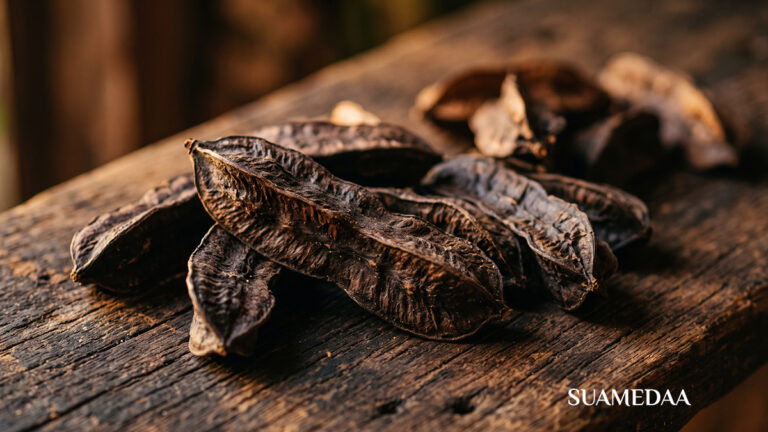
The baobab tree is one of the most recognisable silhouettes on the African landscape. Its vast, swollen trunk stores thousands of litres of water. Its canopy, described in legend as planted upside down by a trickster god, spreads wide and bare against the sky. It lives for thousands of years. Communities across sub-Saharan Africa, from Senegal to Tanzania, from Mali to South Africa, have called it the Tree of Life, and the name is earned: every part of the tree, the bark, the leaves, the fruit, the seeds, provides something the people around it can use.
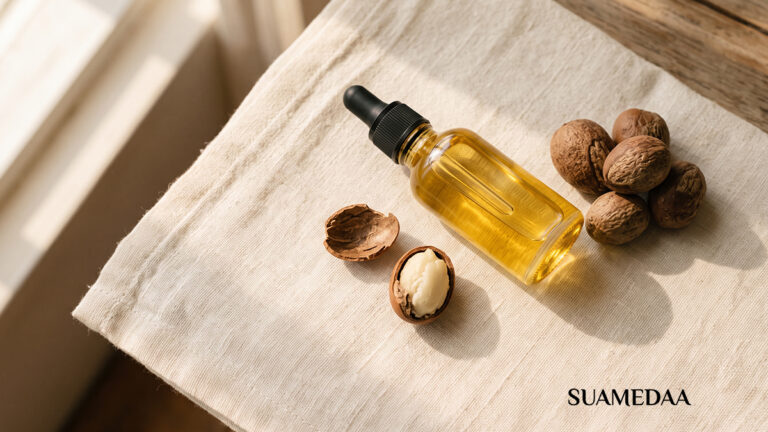
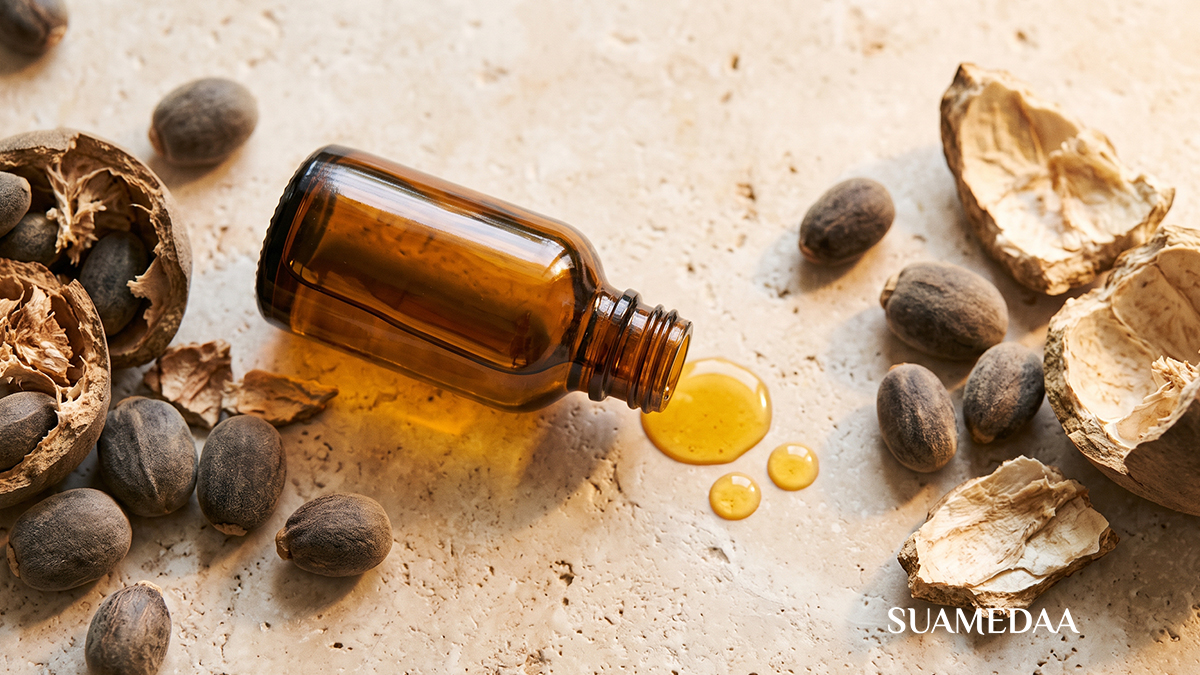
From the seeds comes one of Africa’s most powerful and most underappreciated natural oils. Baobab oil, cold-pressed from the seeds of Adansonia digitata, is a golden, silky, lightly nutty oil that has been used by African women for centuries to nourish their skin and hair in climates of intense sun, dry air, and extreme temperature. It has crossed from traditional use into modern cosmetic science relatively recently, but the scientific findings that have accumulated are consistent with what generations of use already demonstrated: this oil does extraordinary things for skin, hair, nails, and overall tissue health.
This article covers the complete profile of baobab oil’s benefits, grounded in its specific nutritional and phytochemical composition and the research that has examined what those compounds do at the cellular level.



What Makes Baobab Oil Extraordinary
The health and beauty benefits of baobab oil are a direct product of its unusually rich and balanced composition. Unlike most plant oils that are rich in one or two types of fatty acid, baobab oil contains all three of the major omega fatty acids simultaneously: omega-3 in the form of alpha-linolenic acid, omega-6 in the form of linoleic acid, and omega-9 in the form of oleic acid. This triple omega profile is rare in plant oils and gives baobab oil an exceptionally broad range of applications in skin and hair care.
Beyond its fatty acid composition, baobab oil contains an impressive array of fat-soluble vitamins. Vitamin A, in the form of beta-carotene and retinol precursors, supports cell turnover and skin regeneration. Vitamin C, which is unusual in an oil since most oils cannot retain water-soluble vitamins, is present at meaningful concentrations and contributes directly to collagen synthesis. Vitamin D supports skin cell growth and repair. Vitamin E, a powerful fat-soluble antioxidant, protects cell membranes from oxidative damage. Vitamin K supports coagulation processes that are central to wound healing and reduces the appearance of dark circles under the eyes by supporting circulation. Together this multi-vitamin profile is rare in any single plant oil.
The oil also contains polyphenols, phytosterols, and bioflavonoids including catechin, rutin, and quercetin, compounds that contribute anti-inflammatory, antioxidant, and wound-healing properties independent of the vitamin and fatty acid content. Sterols and terpenes present in the oil further support its skin-regenerating and antimicrobial activity.
This comprehensive nutritional matrix, fatty acids, vitamins, polyphenols, and phytosterols all present together in a single cold-pressed oil, is what distinguishes baobab oil from most other cosmetic oils that offer more limited benefit profiles.
Deep and Lasting Moisturisation
At the foundation of baobab oil’s skin benefits is its exceptional moisturising capacity. It is one of the most effective natural moisturisers available, and the mechanism by which it works is well understood.



The fatty acids in baobab oil, particularly oleic acid and linoleic acid, penetrate the skin’s outer barrier and bind to water within the deeper skin layers, creating a reservoir of moisture that is released gradually over time rather than evaporating from the surface as quickly as water-based moisturisers do. Linoleic acid creates a protective film on the skin’s surface that prevents transepidermal water loss, the continuous evaporation of water from the skin that is the primary driver of skin dryness and the flaking and tightening that accompanies it.
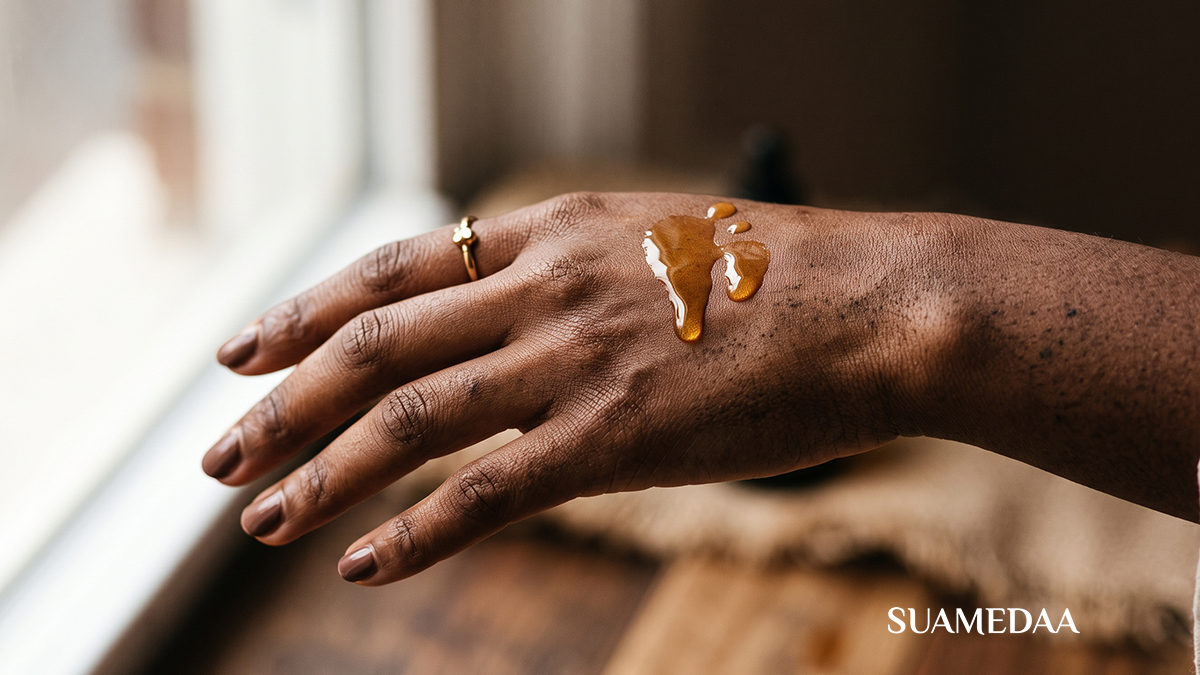
Baobab oil is also described technically as a dry oil, meaning despite its rich fatty acid content it absorbs rapidly into the skin rather than sitting on the surface as a greasy layer. This property makes it comfortable for daily use across all skin types, including oily skin, and suitable for facial application where heavier oils can feel congested. Its comedogenic rating of 2 on a scale of 0 to 5 indicates that it is unlikely to clog pores or contribute to breakouts, making it appropriate for most skin types including sensitive and acne-prone skin.
Vitamin E, present in a particularly bioavailable form in baobab oil, meaning the skin can absorb and utilise it efficiently, plays a specific role in moisture retention by supporting the integrity of the lipid layers within the skin that hold moisture in place. Skin that is deficient in vitamin E from topical sources tends to become dry and rough more readily, and supplementing this vitamin through a well-absorbed oil produces visible improvements in skin texture and moisture levels over consistent use.
Anti-Ageing and Collagen Support
The anti-ageing benefits of baobab oil operate primarily through two mechanisms: antioxidant protection against the free radical damage that accelerates visible ageing, and direct stimulation of collagen production in the dermis.
Collagen is the primary structural protein of the skin, responsible for its firmness, elasticity, and the smooth, plump appearance associated with youthful skin. Collagen production declines from approximately the mid-twenties onward, with the rate of decline accelerating with age and with exposure to environmental stressors including UV radiation and air pollution. As collagen levels fall, the skin loses its ability to bounce back from compression, wrinkles form and deepen, and the skin begins to thin and sag.
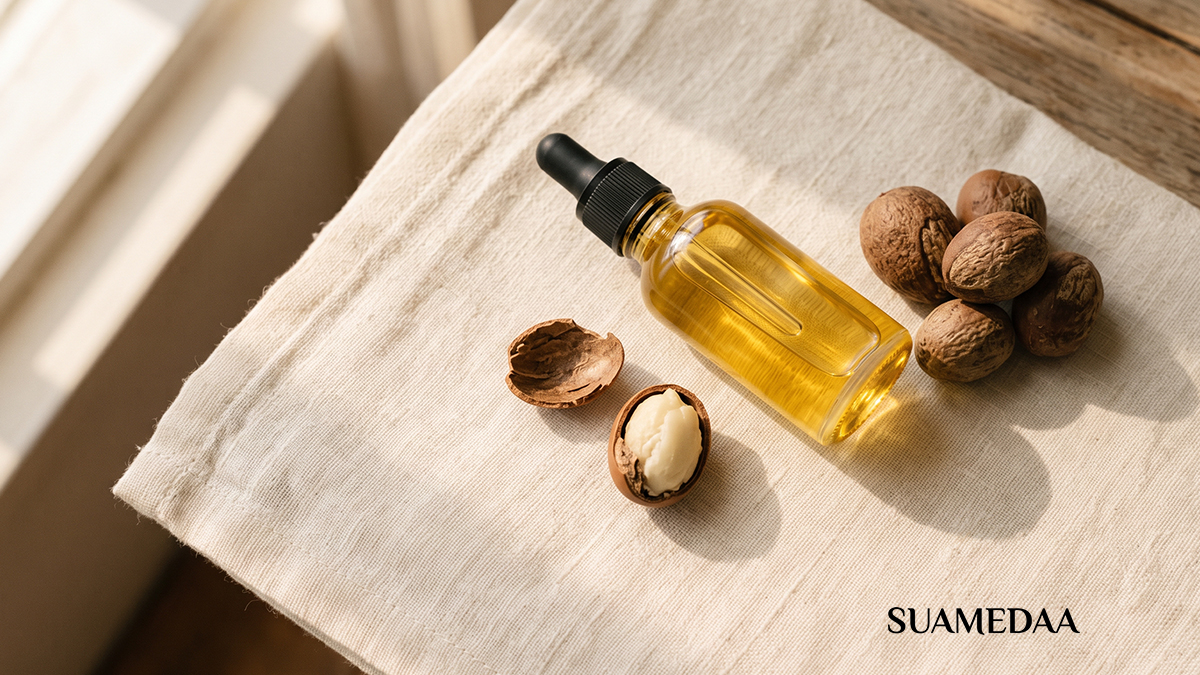


The vitamin C in baobab oil directly stimulates collagen synthesis: it is an essential cofactor for the enzymes that convert procollagen into functional collagen fibers, meaning that without adequate vitamin C, collagen production is impaired regardless of other conditions. Research on wound healing in baobab oil confirmed this mechanism specifically: a study found that baobab extract increases collagen production by stimulating the proliferation of fibroblasts, the cells responsible for collagen synthesis, as measured by hydroxyproline content, an amino acid found almost exclusively in collagen. Higher hydroxyproline in treated tissue directly indicates higher collagen content.
The antioxidants in baobab oil, particularly vitamins E and C alongside the polyphenols, protect existing collagen from oxidative degradation. Free radical damage to collagen fibers is one of the primary mechanisms by which sun exposure and environmental pollution accelerate skin ageing: the free radicals generated by UV radiation cleave the cross-links between collagen molecules, reducing the structural integrity of the collagen network. Neutralising these free radicals with topical antioxidants reduces this degradation rate and preserves the skin’s structural support for longer.
Vitamin A in baobab oil contributes to anti-ageing through a complementary mechanism: it promotes cellular turnover, accelerating the shedding of older, damaged skin cells and their replacement with new ones. This keeps the skin surface brighter, smoother, and more even-toned, and helps reduce the buildup of sun-damaged cells that contributes to uneven pigmentation and rough texture over time.
Together these mechanisms make baobab oil one of the most comprehensively anti-ageing natural oils available: it protects against the damage that accelerates ageing, stimulates the production of the protein most responsible for youthful skin structure, and promotes the cellular renewal that keeps the surface fresh and even.
Wound Healing and Skin Regeneration
The wound-healing properties of baobab oil are supported by direct research and by the long tradition of its use across Africa for treating cuts, burns, and skin damage. The mechanisms involved are multiple and operate at different phases of the healing process.
In the inflammatory phase of wound healing, the earliest stage after injury, the polyphenols in baobab oil, specifically the bioflavonoids catechin, rutin, and quercetin identified in research, enhance anti-inflammatory activity and stabilise cellular membranes by inhibiting the lysis, or breakdown, of blood cells. Vitamin K promotes coagulation, supporting the blood supply to the wound that allows anti-inflammatory agents to be mobilised and the wound to be cleaned of bacteria and debris. This combination accelerates the transition from the inflammatory phase to the proliferative phase, during which new tissue is actively built.
In the proliferative phase, the high linoleic acid content creates a protective film over the wound that prevents excessive transepidermal water loss. Research has shown that well-hydrated wounds heal faster and have better long-term aesthetic outcomes than dry wounds, since water is a major component of the skin tissue being regenerated and adequate hydration allows cellular regeneration and the maintenance of skin elasticity during the healing process. The increase in fibroblast activity documented in baobab research, reflected in the increased collagen production mentioned above, provides the structural scaffolding on which new tissue forms, resulting in what research described as a more resistant and thicker epithelium.
For everyday skin concerns rather than acute wounds, the regenerative properties of baobab oil translate into an ability to improve the appearance of minor scars, reduce the visibility of post-inflammatory hyperpigmentation left by healed acne, and support the repair of compromised skin barrier function caused by harsh skincare products, environmental exposure, or chronic skin conditions.
Eczema, Psoriasis, and Sensitive Skin Conditions
Baobab oil has a well-supported application in the management of chronic skin conditions characterised by inflammation, impaired barrier function, and sensitivity. Eczema and psoriasis both involve disruption of the skin’s barrier, allowing moisture to escape and irritants to penetrate, alongside inflammatory processes that produce the redness, itching, and scaling characteristic of these conditions.
The omega-3 fatty acids in baobab oil, particularly alpha-linolenic acid, have documented anti-inflammatory properties that reduce the production of the prostaglandins and leukotrienes responsible for the inflammatory cascade in eczema and psoriasis. By reducing this inflammatory signalling, the oil reduces redness, swelling, and the intensity of the itch-scratch cycle that characterises eczematous skin. Clinical research confirms that the omega-3 fatty acids in baobab oil may help heal the skin barrier and lock in moisture when used topically, directly addressing the barrier dysfunction at the root of eczema’s symptomatology.
The high vitamin A and E content supports the repair of damaged skin cells and the gradual restoration of barrier integrity. The non-irritating, non-comedogenic, fully natural composition of baobab oil makes it suitable as what one source described as a natural alternative to steroid creams: not a pharmaceutical replacement for prescribed treatment in severe cases, but a gentle, effective complement to conventional treatment for mild to moderate symptoms, and a well-tolerated maintenance moisturiser between flares.
The fact that baobab oil is a 100 percent natural product containing none of the harsh chemicals, exfoliants, or drying agents found in many commercial skincare products means it nourishes the skin without disturbing the skin microbiome, the community of micro-organisms that live on the skin surface and play a crucial role in maintaining its immunity and barrier function. Many conventional skincare products damage this microbiome, paradoxically worsening the conditions they are designed to treat. Baobab oil does not.
Acne Management
Despite being an oil, baobab oil is well-suited to acne-prone skin for reasons grounded in its specific fatty acid profile. Skin that produces excess sebum and is prone to breakouts is often paradoxically deficient in linoleic acid, the specific fatty acid found in high concentrations in baobab oil. Research has shown that the sebum of acne-prone skin tends to have a lower linoleic acid content than non-acne-prone skin, and that this deficiency contributes to the formation of the comedones and inflammatory lesions characteristic of acne.
A clinical trial found that baobab oil can help improve acne in some people, attributing this specifically to its high linoleic acid content. Linoleic acid has anti-inflammatory properties that reduce the redness, swelling, and pain of inflammatory acne lesions, and its presence in the skin’s sebum normalises its composition in a way that reduces pore blockage. The non-comedogenic rating of baobab oil means it provides these benefits without adding to the pore-clogging burden.
The antimicrobial properties of baobab oil, confirmed in research, provide additional support for its use in acne-prone skin by inhibiting the growth of Propionibacterium acnes, the bacterium primarily responsible for inflammatory acne lesions. While the antimicrobial activity of baobab oil is not as potent as pharmaceutical antibacterial treatments, it contributes a gentle, continuous antimicrobial environment on the skin surface that reduces bacterial load over time.
Regular use of baobab oil on acne-prone skin has also been associated with reduced post-inflammatory hyperpigmentation, the dark marks left after acne lesions heal. The vitamin C content supports collagen remodelling at the healing site, and the overall skin-brightening effect of consistent vitamin C application reduces the contrast between these marks and the surrounding skin.
Stretch Marks and Scar Management
The use of baobab oil for preventing and reducing stretch marks has a rational basis in its specific composition and has been supported by cosmetic research. Stretch marks form when the skin is stretched more rapidly than its elastic fibers can accommodate, causing the collagen and elastin network in the dermis to tear. The resulting marks are initially red or purple and gradually fade to silver or white, but the underlying structural damage to the dermis persists.
Baobab oil addresses both the prevention and the reduction of stretch marks through complementary mechanisms. For prevention, the omega fatty acids in the oil maintain skin elasticity and suppleness during periods of rapid growth, such as pregnancy, rapid weight gain, or the growth spurts of adolescence. Skin that is adequately moisturised and has a well-maintained elastin network is more able to stretch gradually without tearing. The stimulation of collagen and elastin production by the vitamin C and regenerative compounds in the oil provides the structural support that allows the skin to stretch without damage.
For existing stretch marks, the regenerative properties of baobab oil fade them over time by encouraging cell regeneration in the damaged area and improving the skin’s overall texture and elasticity in the affected region. The antioxidants in the oil, vitamins C and E specifically, combat the free radicals that damage collagen fibers in the stretch mark area and prevent further deterioration of the already compromised tissue. The vitamin K promotes blood supply to the area, supporting the healing and remodelling processes. Regular, consistent application is required for visible results, since the structural changes involved in fading stretch marks take place over weeks and months rather than days.
Hair Health and Scalp Care
The same properties that make baobab oil exceptional for skin make it equally valuable for hair and scalp. Its lightweight texture and rapid absorption allow it to penetrate the hair shaft rather than merely coating the surface, delivering moisture and nutrients to the cortex where structural health is maintained.
The omega-3, 6, and 9 fatty acids in baobab oil hydrate dry hair from within, reducing the brittleness and breakage associated with moisture-depleted hair. Dry hair is structurally weakened hair: the hydrogen bonds that hold the keratin protein structure of the hair shaft in place require adequate moisture to remain stable, and dehydrated hair loses both flexibility and tensile strength. Baobab oil restores moisture to dry hair and seals it in, improving flexibility, reducing breakage, and restoring shine that reflects light from a smooth, hydrated surface.
A study published in the National Library of Medicine found that using baobab oil on the scalp can treat and prevent skin flaking and dandruff. The omega-3 fatty acid content restores moisture to a dry, flaky scalp and addresses the dryness that is one of the primary drivers of both dandruff and seborrhoeic dermatitis. The anti-inflammatory properties reduce scalp inflammation, and the antifungal properties of the oil’s compounds inhibit the growth of Malassezia, the yeast species associated with dandruff development.
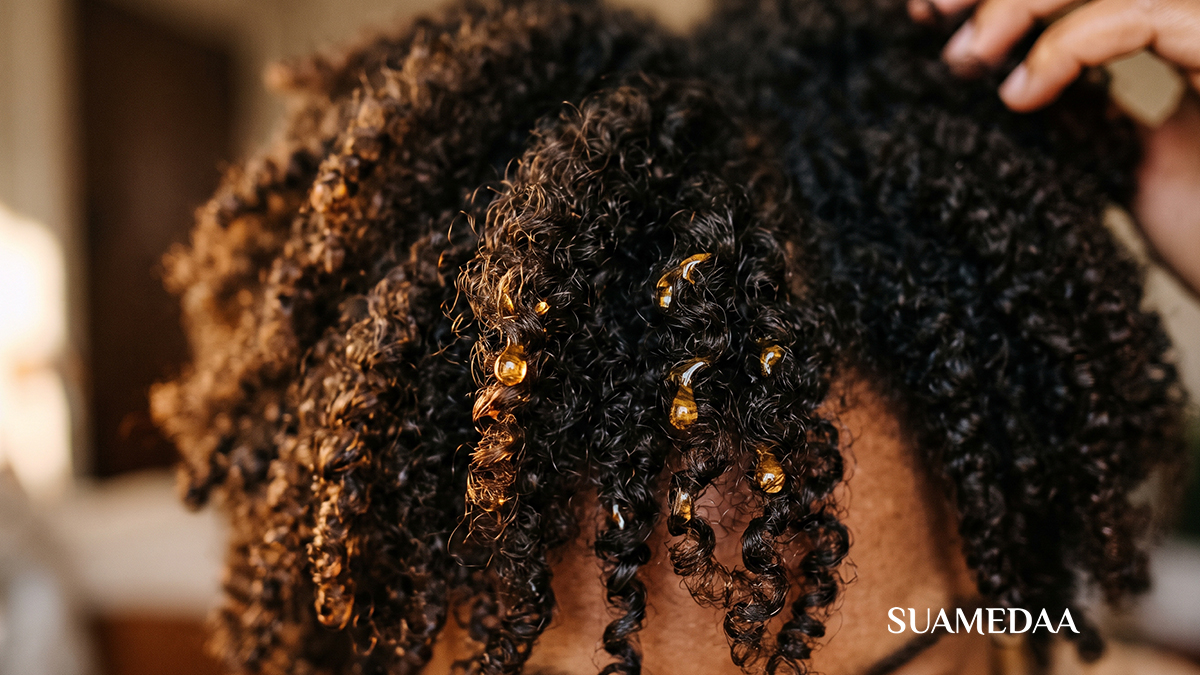
Vitamins A and E in baobab oil support scalp health by promoting healthy sebum production, the scalp’s natural moisturising system, and by protecting the scalp skin cells from oxidative damage that can impair hair follicle function. Vitamin E in particular has been associated in research with improved hair growth in people experiencing hair loss attributable to oxidative stress, by reducing the oxidative burden in the scalp environment that can contribute to follicle miniaturisation and hair thinning.
For natural hair care in the context of African hair textures, which tend toward greater dryness due to the coil pattern that makes it harder for scalp sebum to travel the length of the hair shaft, baobab oil’s penetrating moisture and ability to seal the hair cuticle make it an especially valuable addition to a natural hair care routine.
Nail and Cuticle Care
Baobab oil’s benefits extend to nails and cuticles, an application that is straightforward in its mechanism and significant in its practical effect. Nails and cuticles are composed of keratin and require both moisture and specific micronutrients to maintain their integrity, flexibility, and growth rate.
The fatty acids in baobab oil hydrate the cuticle tissue intensively, softening hardened, dry cuticles that have become painful or prone to peeling and splitting. Regular application of baobab oil to the cuticle area, particularly at night when absorption can occur undisturbed, produces a gradual improvement in cuticle condition that reduces the need for cutting or aggressive pushing of the cuticle, both of which carry infection risk.
The vitamins in baobab oil, particularly vitamin E and vitamin A, nourish the nail matrix, the tissue beneath the base of the nail where new nail cells are produced. Well-nourished nail matrix tissue produces stronger, more flexible nails that are less prone to breaking, peeling, and developing ridges. Regular use of baobab oil has been associated with stronger nails, reduced breakage, and steadier nail growth, with the vitamin K contributing to the circulation in nail bed tissue that delivers nutrients to the growing nail.
Sun Protection and Environmental Defence
While baobab oil does not carry a significant sun protection factor and cannot replace dedicated sunscreen for sun protection purposes, it provides meaningful defence against the secondary damage caused by UV radiation and environmental pollution through its antioxidant activity.
UV radiation generates free radicals in skin cells that damage DNA, degrade collagen, and trigger the inflammatory cascade that produces sunburn and contributes to photoageing. The antioxidants in baobab oil, vitamins C, E, and A alongside the polyphenols, neutralise these free radicals before they can cause cellular damage, reducing the downstream consequences of sun exposure even when the UV radiation itself has not been blocked. Consistent topical application of antioxidant-rich oils alongside dedicated sunscreen therefore provides a more comprehensive defence against photoageing than sunscreen alone.
Environmental pollution generates similar free radical damage through the deposition of fine particulate matter, nitrogen dioxide, and ozone on the skin surface. These pollutants are increasingly understood as significant contributors to premature skin ageing in urban environments, accelerating the same collagen degradation and inflammatory processes as UV radiation. The antioxidant barrier provided by regular baobab oil use reduces the impact of this pollution-derived oxidative damage on the skin.
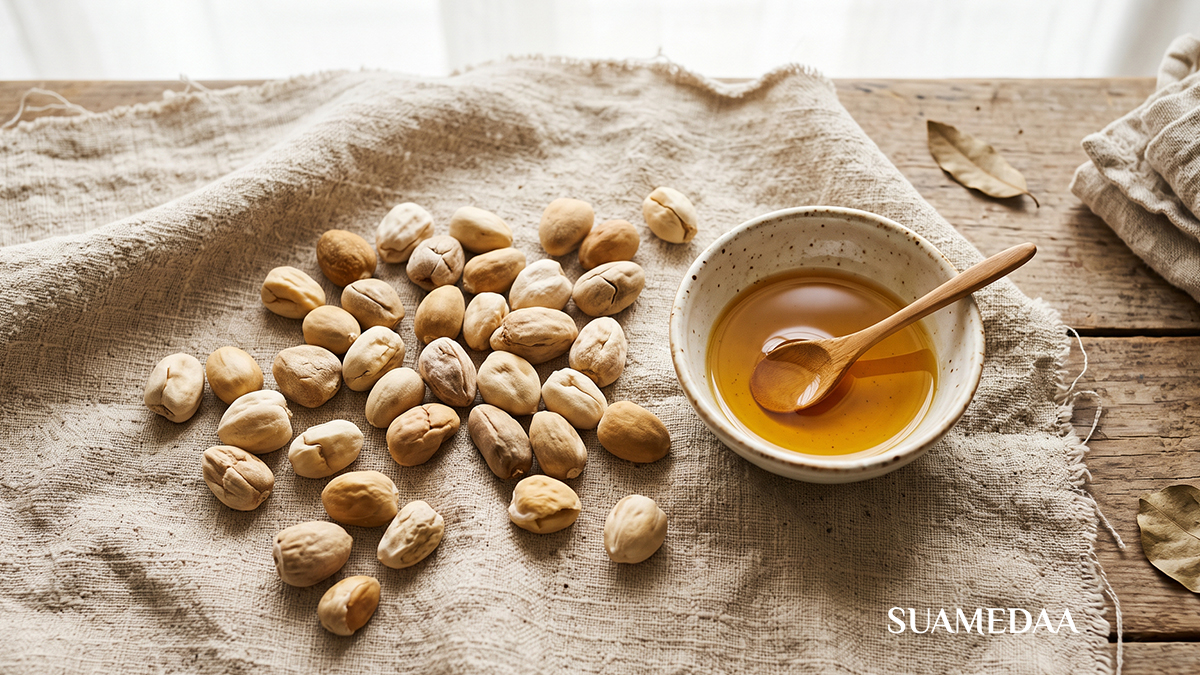
How to Use Baobab Oil
Baobab oil is versatile in its applications and simple to incorporate into existing skincare and haircare routines.
For the face, a few drops applied after cleansing and before any heavier moisturiser or SPF product delivers hydration and antioxidant protection without heaviness or greasiness. Because baobab oil absorbs rapidly, it can be used morning and evening. For acne-prone skin, applying a small amount directly to active spots reduces inflammation and accelerates healing. For hyperpigmentation and uneven skin tone, consistent daily application to the affected area gradually improves evenness through the vitamin C-mediated brightening effect.
For the body, baobab oil can be applied directly to damp skin after bathing, when the skin is still receptive to absorption and the moisture of the skin surface helps carry the oil into the upper skin layers. Application to stretch mark areas should be consistent and accompanied by gentle massage, which improves local circulation and absorption. For chapped lips, a thin layer of baobab oil applied at night produces noticeably smoother and more hydrated lips by morning.
For hair, baobab oil can be applied directly to the scalp and worked through the lengths of dry or damp hair as a pre-shampoo treatment, left for 20 to 30 minutes before washing. It can also be applied sparingly to dry hair as a finishing oil to reduce frizz and add shine, or mixed into conditioner for an enhanced moisture treatment. For the scalp specifically, a weekly oil massage with baobab oil promotes circulation, delivers nutrients to the follicles, and addresses dandruff and flaking over consistent use.
For nails and cuticles, a small amount massaged into each cuticle and over the nail plate at bedtime, covered by cotton gloves if possible, delivers intensive overnight nourishment that gradually strengthens both the cuticle and the nail with consistent use.
When choosing a baobab oil product, cold-pressed and unrefined is the preferred specification, since cold-pressing preserves the full vitamin, polyphenol, and fatty acid content that raw seed extraction delivers, while refining processes reduce heat-sensitive nutrients. Organic certification where available ensures that the oil is free from pesticide residues and that the baobab seeds were harvested sustainably.
Cautions and Considerations
Baobab oil is exceptionally well-tolerated by the vast majority of skin types, including sensitive skin, and adverse reactions are rare. A patch test on a small area of skin before first use is a reasonable precaution for anyone with a known history of nut or seed oil allergies, since baobab oil is derived from seeds and a small number of people may have relevant sensitivities.
For people with very oily skin who are concerned about adding any additional oil to their routine, the non-comedogenic rating of 2 and the dry oil texture of baobab oil make it considerably more appropriate than most other plant oils, though individual responses vary and starting with a small amount to assess your skin’s response is a sensible approach.
Baobab oil is safe for use during pregnancy when applied topically, and its stretch mark prevention properties make it particularly popular among pregnant women. As with all topical products during pregnancy, the focus should be on the topical application rather than any internal use.
The oil stores well at room temperature in a sealed container and has a shelf life of approximately two years when stored away from direct sunlight. A slight separation may occur in storage: this is normal and does not indicate spoilage. Shake or stir gently before use.
The Tree That Lives for Thousands of Years
There is a pleasing symmetry between the baobab tree and the oil it produces. The tree is defined by its extraordinary longevity, its resilience in harsh conditions, and its generosity with every part of itself to the communities that live alongside it. The oil carries some of that character into its effects: it is a long-term skin investment, a daily commitment to nourishment and protection rather than a quick fix. Its benefits build with consistent use, as collagen levels improve, moisture retention deepens, hair strengthens, and the antioxidant protection it provides accumulates against the slow damage of sun, pollution, and time.

African women have understood this for centuries. The science is now catching up, confirming what generations of daily use demonstrated: that this golden, silky oil from the seeds of a tree that lives for thousands of years does something genuinely different from most of what the modern cosmetic industry produces.
Cold-pressed from a single ancient ingredient, free from synthetic additives, immediately effective, and improving with sustained use: baobab oil deserves its place among the most valuable natural beauty resources the continent of Africa has gifted to the world.