The Benefits of Shea Butter
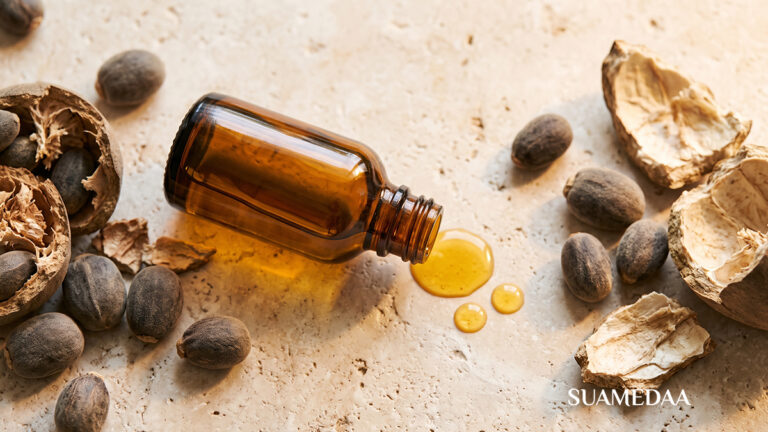
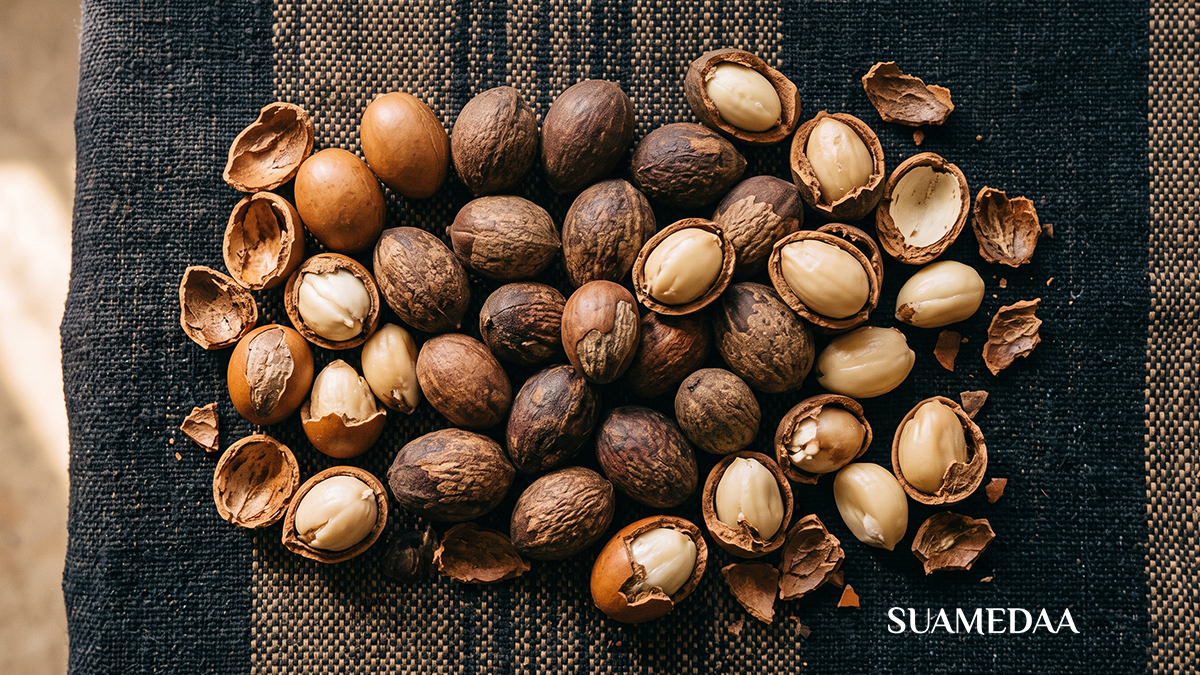
There is a tree growing across the savanna belt of West and Central Africa, from Senegal in the west to Ethiopia in the east, that the communities living around it have depended on for thousands of years. The shea tree, Vitellaria paradoxa, takes between 15 and 30 years to bear its first fruit and may live for 200 years or more. Its fruit, which looks something like a large green plum, contains a nut from which one of the most nutritionally and medicinally rich fats in the plant kingdom can be extracted. That fat is shea butter, and it has been used across West and Central Africa for cooking, skin care, hair care, wound treatment, and joint pain relief since long before the modern cosmetic industry discovered it and made it a staple of product formulations worldwide.
The global shea butter industry now generates billions of dollars annually, and shea butter is an ingredient in an extraordinary range of cosmetic and pharmaceutical products, from the most expensive luxury skincare creams to everyday moisturisers, lip balms, hair conditioners, and medicated topical preparations. Nigeria alone produced 350,000 metric tons of shea nuts in 2020, accounting for approximately 20 percent of global production. Ghana, Burkina Faso, Mali, and several other West African countries are significant producers. The industry supports the livelihoods of millions of women across the shea belt who harvest and process the nuts using traditional methods passed down through generations.
What has driven this transformation from traditional African resource to global cosmetic ingredient is exactly what drove its traditional use in the first place: the science of what shea butter does to skin, hair, joints, and overall health is genuinely compelling. A 2024 review article in the International Journal of Scientific and Development Research, examining the anti-inflammatory properties of shea butter, described it as possessing multifaceted properties including sun-screening effects, anti-inflammatory and healing properties, anti-ageing potential, and emollient and moisturising capacity. Modern science has confirmed not just that shea butter works but precisely how and why it works at the molecular level.



What Shea Butter Is and What It Contains
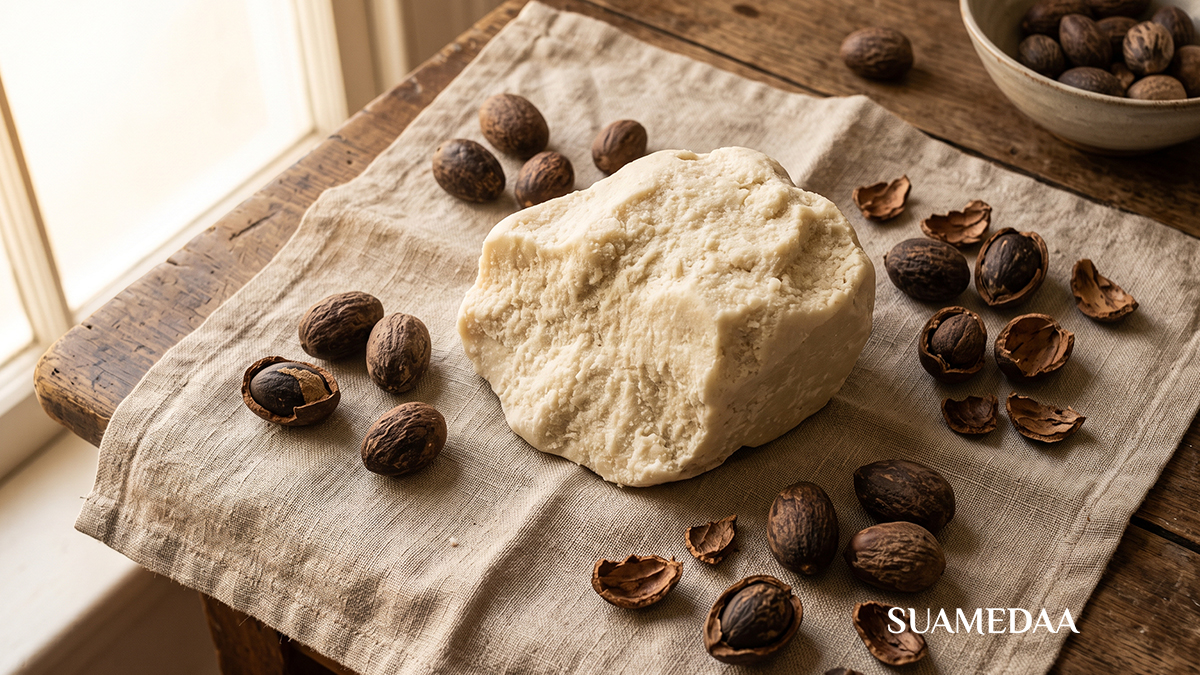
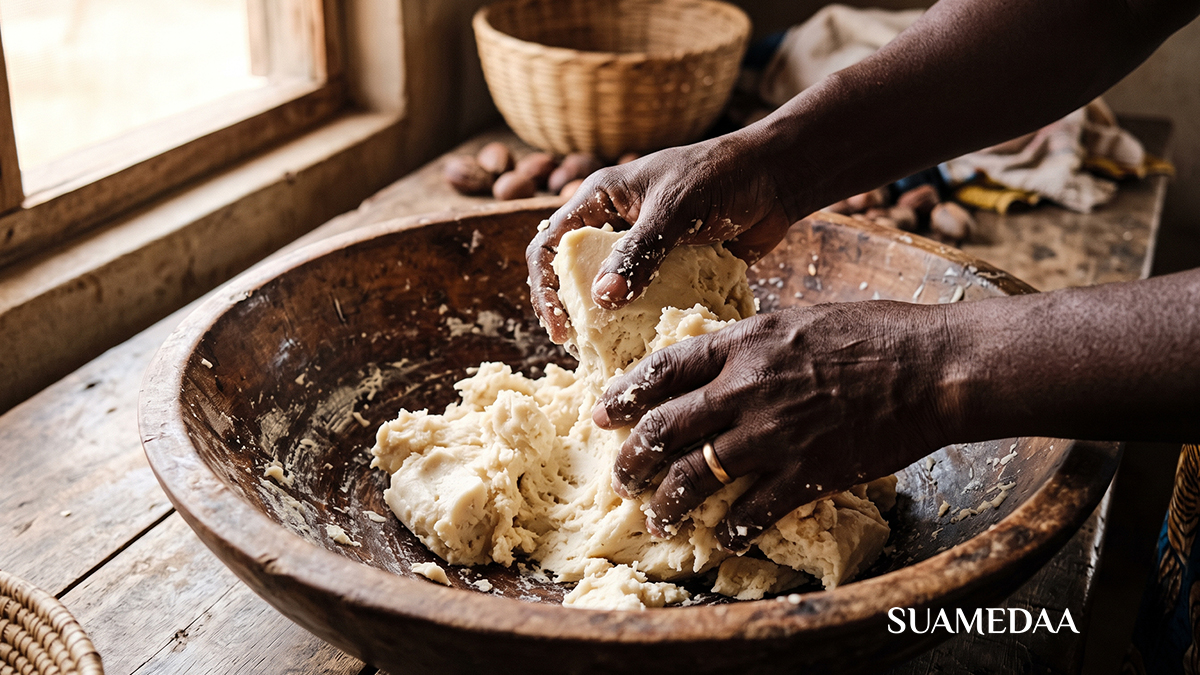
Shea butter is extracted from the fat-rich nut of the shea tree by a process of cracking, grinding, boiling, and churning that has been refined by West African women over millennia. Unrefined shea butter, sometimes called raw shea butter, is ivory or off-white in colour with a slightly nutty, smoky scent and a rich, dense texture that melts quickly on contact with body heat. Refined shea butter has been processed to remove its scent and colour, producing a whiter, more neutral product that blends more easily into cosmetic formulations but loses some of its bioactive compounds in the process. For maximum therapeutic benefit, unrefined shea butter is the preferred choice.
Shea butter is solid at room temperature but melts at skin temperature, making it easy to apply and quick to absorb. Technically it is a tree nut product, but unlike most tree nut products it is very low in the proteins that typically trigger allergic reactions, making it safe for the vast majority of people including most of those with nut allergies.
Its composition is what makes shea butter remarkable. It contains stearic acid and oleic acid as its primary fatty acids, alongside palmitic acid, linoleic acid, and arachidic acid. This fatty acid profile gives it an unusual property: oleic acid, which is liquid at room temperature, keeps the butter spreadable and penetrating, while stearic acid, which is solid, gives it body and a protective, occlusive quality on the skin surface. Together they produce a butter that is simultaneously moisturising, protective, and well-absorbed.
Beyond its fatty acid content, shea butter contains an unusually high proportion of unsaponifiable matter, between 5 and 17 percent of its total composition compared to less than 1 percent for most vegetable oils. Unsaponifiable matter is the fraction of a fat that does not convert to soap when treated with alkali, and it is in this fraction that shea butter’s most distinctive bioactive compounds reside: the triterpenes, including lupeol, alpha-amyrin, beta-amyrin, and butyrospermol, alongside phytosterols, polyphenols, and tocopherols.
Vitamins are present in meaningful concentrations: vitamin A in the form of beta-carotene, vitamin E in the form of tocopherols with particularly good bioavailability, vitamin D, vitamin F, and vitamin K. Cinnamic acid and its esters contribute UV-absorbing properties. The overall nutritional profile of shea butter is unusually broad for a single plant fat, which is why its health benefits span such a wide range of applications.


Exceptional Moisturisation and Skin Barrier Support
The foundational benefit of shea butter, and the one most thoroughly supported by research, is its capacity to moisturise the skin and support the function of the skin barrier. Research published in a 2025 in vitro study in the Open Journal of Chemistry, investigating the effects of shea butter on skin barrier function and hydration using analytical chemistry methodologies, confirmed that shea butter significantly improves skin hydration and barrier integrity, validating at the laboratory level what generations of traditional use had already demonstrated.
The moisturising mechanism of shea butter is both emollient and occlusive. As an emollient, its fatty acids fill the spaces between skin cells, smoothing rough surfaces and softening the texture of dry, flaky skin. The oleic acid in particular penetrates the lipid layers of the skin, integrating into the skin’s own intercellular lipid matrix and improving its structural integrity. As an occlusive agent, the stearic acid component forms a thin protective film on the skin surface that slows transepidermal water loss, the continuous evaporation of moisture from the skin that is the primary driver of skin dryness.
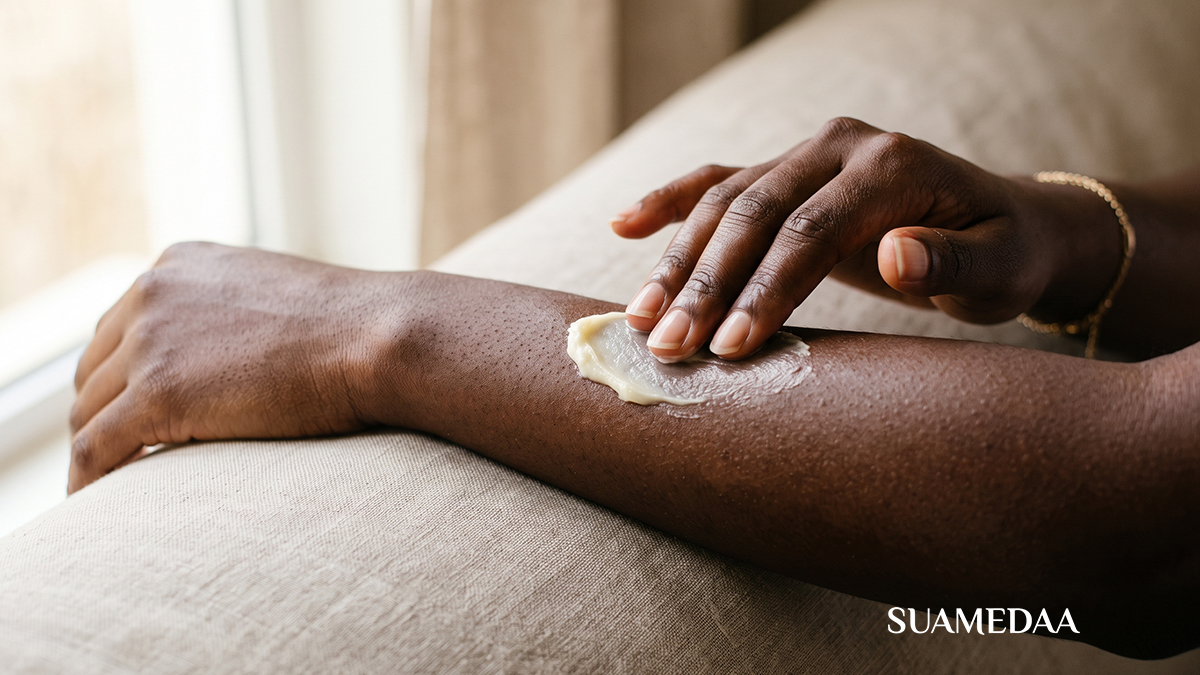
The combination of emollient and occlusive action is more effective than either mechanism alone, and it is this combination that gives shea butter its distinctive capacity to provide lasting hydration rather than the brief surface-level relief produced by water-based moisturisers that evaporate quickly. Applied to well-cleansed skin, shea butter locks in moisture at multiple levels simultaneously, improving hydration in both the superficial and deeper skin layers.
The skin barrier is the outermost layer of the skin, responsible for keeping moisture in and environmental irritants out. A compromised barrier, characterised by increased transepidermal water loss, sensitivity to minor irritants, and impaired recovery from minor damage, is the underlying condition in eczema, psoriasis, contact dermatitis, and many cases of chronically dry and reactive skin. Shea butter’s combination of fatty acid penetration and surface occlusion directly addresses both the moisture deficit and the structural compromise of a damaged barrier, making it one of the most consistently effective natural barrier repair agents available.
Powerful Anti-Inflammatory Properties
The anti-inflammatory properties of shea butter are among its most scientifically significant and most thoroughly researched characteristics. They are attributable primarily to the triterpene compounds in its unsaponifiable fraction, and the research on their mechanisms is detailed and compelling.

The dominant triterpenes in shea butter are lupeol, alpha-amyrin, beta-amyrin, and butyrospermol. These occur primarily as acetyl and cinnamoyl esters. Research conducted by Akihisa and colleagues, examining the anti-inflammatory and chemopreventive effects of triterpene cinnamates and acetates from shea fat, found that all eight triterpene esters tested exhibited marked anti-inflammatory activity. Lupeol cinnamate, designated compound 3c in the study, showed the highest activity with an ID50 of 0.15 micromol per ear in a mouse ear inflammation model, a result that was significantly more potent than the reference pharmaceutical anti-inflammatory compound indomethacin, which had an ID50 of 0.91 micromol per ear. In vivo testing in a carrageenan-induced rat paw oedema model confirmed that lupeol cinnamate at 10 milligrams per kilogram produced 45.5 percent inhibition of inflammation at five hours.
A further study published in PubMed Central examined the anti-inflammatory effects of shea butter through inhibition of iNOS, COX-2, and cytokines via the NF-kB pathway in macrophage cells. The NF-kB pathway is a central molecular switch in the inflammatory response, controlling the expression of dozens of pro-inflammatory genes. Inhibiting this pathway reduces the production of the cytokines, prostaglandins, and reactive nitrogen species that drive both acute and chronic inflammation. The fact that shea butter’s triterpenes act on this fundamental regulatory pathway explains the breadth of its anti-inflammatory effects across many different inflammatory conditions.
For topical applications, these anti-inflammatory properties translate into the ability to reduce redness, swelling, and discomfort in inflamed skin conditions, soothe the itch of eczema and psoriasis, calm the irritation of contact dermatitis, and reduce the post-inflammatory response that follows minor injuries and skin procedures. For systemic use, the same compounds offer potential benefit for joint and musculoskeletal inflammation, as explored in the arthritis research discussed below.
Anti-Ageing Effects
The anti-ageing benefits of shea butter operate through several complementary mechanisms that together address the primary drivers of visible skin ageing at different levels of the skin’s structure.
The triterpenes in shea butter are central to its anti-ageing activity. Research on the anti-ageing properties of triterpenes in shea butter, published in Phytotherapy Research, confirmed their role in promoting skin cell renewal and supporting the structural integrity of the dermis. Triterpenes including alpha-amyrin and lupeol have been shown to stimulate fibroblast activity and collagen production, counteracting the age-related decline in collagen synthesis that is the primary cause of wrinkle formation, skin thinning, and loss of firmness. A study confirmed that shea nut unsaponifiable compounds can inhibit collagenase and elastase, the enzymes that break down existing collagen and elastin fibers in aged and UV-damaged skin.
Vitamin A in shea butter, in the form of beta-carotene and retinol precursors, promotes cellular turnover: the accelerated shedding of older, sun-damaged surface cells and their replacement with newer, healthier ones. This process keeps the skin surface brighter, more even-toned, and more finely textured over time. Vitamin E, present at particularly bioavailable concentrations in shea butter, is one of the most effective fat-soluble antioxidants known to science, neutralising the lipid peroxidation chain reactions in cell membranes that produce cumulative oxidative damage and age-related cellular dysfunction.
The polyphenols present in unrefined shea butter contribute broad antioxidant activity that complements the vitamin E content, providing multiple parallel free radical-scavenging mechanisms rather than dependence on a single compound. This antioxidant redundancy is characteristic of complex natural plant fats and is part of the reason they tend to outperform single-ingredient synthetic formulations in real-world conditions.
Cinnamic acid and its esters in shea butter provide a degree of natural UV protection, absorbing ultraviolet radiation before it reaches the deeper skin layers where the most damaging photochemical reactions occur. While shea butter’s inherent sun protection factor is modest, estimated at approximately SPF 3 to 6, its consistent daily use reduces the cumulative UV burden on the skin and, combined with its antioxidant capacity, provides meaningful protection against photoageing over years of regular application.
Joint Health and Arthritis
One of the most distinctive and least widely known benefits of shea butter is its application in the management of arthritis and joint inflammation. This use is deeply embedded in the traditional medicine of West Africa, where shea butter and shea nut preparations have been used to treat arthritic conditions for centuries, and it now has a substantive research basis.
Research published in the National Library of Medicine confirmed that shea nut oil triterpene concentrate reduces knee joint swelling and improves weight-bearing function in rats with surgically induced osteoarthritis, while also decreasing knee joint matrix loss and cartilage degeneration as assessed by the Osteoarthritis Research Society International scoring system. The conclusion drawn by the researchers was that shea nut triterpene concentrate has the potential to be an ideal nutraceutical supplement for joint protection, particularly for injured knee joints.
A follow-up study published in PubMed Central, examining the same triterpene concentrate in a rat osteoarthritis model, confirmed improvement in pain parameters and histological reduction in articular cartilage deterioration. The mechanism involves the inhibition of the inflammatory enzymes and cytokines responsible for cartilage degradation, including matrix metalloproteinases that break down the collagen matrix of articular cartilage.
Lupeol esters from shea butter have also been found to have potent protease-inhibiting activity, and research has shown that esters of lupeol and other shea triterpenes have potential for reducing arthritic joint destruction in rheumatoid arthritis through direct pharmacological action. Published research on the anti-inflammatory activity of shea butter’s fatty extract in arthritis patients in Enugu, South-East Nigeria, documented its traditional clinical use for arthritic conditions and confirmed the presence of compounds with the bioactivity to explain those traditional effects.
For topical application to arthritic joints, regular massage with warm shea butter allows the triterpenes to penetrate into the joint tissue and reduce local inflammation, complementing any systemic treatment and providing the additional benefit of improved circulation through massage itself.
Eczema and Psoriasis
Shea butter’s combination of barrier repair, anti-inflammatory activity, and gentle, non-irritating composition makes it one of the most well-suited natural treatments for eczema, psoriasis, and related inflammatory skin conditions. Multiple sources of evidence support its use in these conditions, from traditional use across the entire shea-growing region to clinical observations and the detailed mechanistic understanding now available from laboratory research.
Eczema involves both a compromised skin barrier, allowing allergens and irritants to penetrate and trigger inflammatory responses, and a dysregulated immune response in the skin that perpetuates inflammation. Shea butter addresses both components simultaneously: its fatty acids repair the barrier directly, reducing allergen penetration and moisture loss, while its triterpenes inhibit the NF-kB inflammatory pathway that drives the chronic inflammatory component.
The non-comedogenic nature of shea butter, its zero comedogenic rating in some assessments and a low rating in others depending on the unrefined or refined form, and the complete absence of synthetic chemicals, fragrances, and preservatives in raw unrefined shea butter make it inherently unlikely to trigger the sensitisation reactions that commonly occur with conventional topical medications and cosmetics in people with eczema.
Psoriasis, which involves an accelerated skin cell cycle producing the thick, scaly plaques characteristic of the condition, benefits from shea butter through several mechanisms: the moisturising properties reduce the scaling and cracking associated with plaques, the anti-inflammatory compounds reduce the redness and inflammation of active plaques, and the vitamin A content gently modulates the abnormal cell cycle without the irritation associated with pharmaceutical retinoids.
Research on shea butter as a cosmeceutical-grade skincare ingredient has described it as a natural alternative to steroid creams for mild to moderate inflammatory skin conditions, acknowledging both its effectiveness for many patients and the appropriate caveat that it should complement rather than replace medical treatment for severe presentations.
Wound Healing
Shea butter’s wound-healing properties have been used in West African traditional medicine for generations, applying it to cuts, burns, abrasions, and skin infections as a treatment to accelerate healing and prevent scarring. The research basis for this application includes both in vitro and in vivo studies that have identified multiple mechanisms contributing to the wound-healing effect.
The anti-inflammatory triterpenes reduce the acute inflammatory response at a wound site, allowing the healing process to proceed efficiently without excessive inflammation that can delay tissue reconstruction and worsen scarring. The fatty acids maintain the hydration of wound tissue, and research on wound healing has consistently shown that moist wounds heal faster and with better cosmetic outcomes than dry wounds, since adequate moisture is required for cellular migration, proliferation, and the formation of new blood vessels in healing tissue.
Vitamin K in shea butter promotes coagulation and the blood supply to healing tissue. The antioxidant compounds reduce oxidative stress at the wound site, which would otherwise slow healing and increase the risk of post-inflammatory hyperpigmentation. The phytosterols in shea butter support cell membrane integrity and the production of new skin cells to close the wound.
For everyday skin concerns, these wound-healing properties translate into an ability to accelerate the recovery of damaged skin, reduce the appearance of minor scars over time, and support the repair of skin barrier disruptions caused by harsh weather, over-exfoliation, or sensitising cosmetic products.
Hair and Scalp Health
Shea butter’s benefits extend fully to hair and scalp, where its emollient, anti-inflammatory, and protective properties address the most common hair and scalp concerns with equal effectiveness to its skin applications.
As a hair treatment, shea butter’s rich fatty acid content, particularly its stearic and oleic acid content, penetrates the hair shaft and restores moisture to dry, brittle hair from within rather than merely coating the surface. This internal moisturisation improves the flexibility and tensile strength of the hair shaft, reducing the breakage and split ends that characterise dehydrated hair. The 2024 review on the benefits of African shea butter in skin care and hair care products confirmed its emollient action in reducing frizz formation and improving hair softness, noting that these effects derive from its capacity to smooth the hair cuticle and reduce the electrostatic charge that causes frizz in low-humidity environments.
For natural and textured hair types, particularly the coily and kinky textures common in people of African descent, shea butter has particular value because these hair types are inherently more prone to dryness due to the spiral structure that makes it difficult for scalp sebum to travel the length of the hair shaft. Shea butter provides the sustained moisture that the hair’s natural moisturising system cannot adequately deliver on its own, reducing breakage, defining curl pattern, and improving the overall condition and manageability of natural hair.
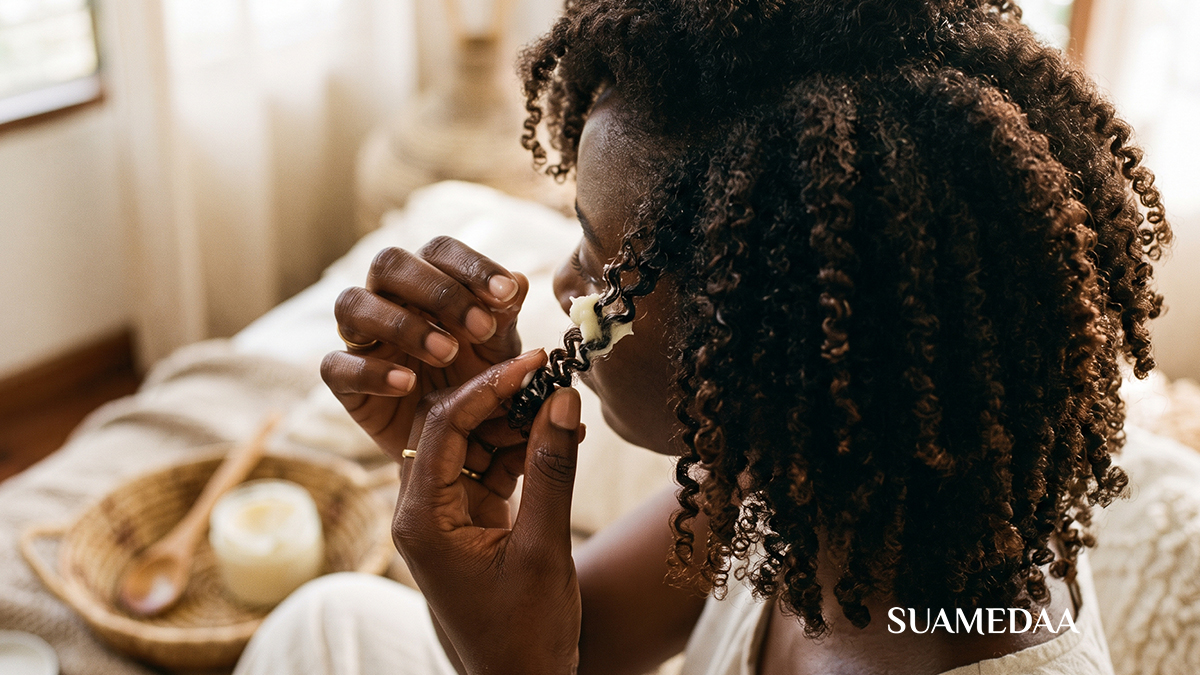
On the scalp, shea butter’s anti-inflammatory properties reduce scalp inflammation that contributes to dandruff, seborrhoeic dermatitis, and the itching and flaking associated with these conditions. Its fatty acids nourish and moisturise the scalp skin, addressing the dryness that drives flaking, while its antimicrobial properties, documented in research, reduce the fungal load on the scalp that is associated with dandruff and seborrhoeic conditions. Used as a scalp treatment, shea butter provides a non-pharmaceutical management option for these common and uncomfortable conditions.
The protection that shea butter provides to hair also extends to environmental damage. Its fatty acid coating reduces the penetration of chlorine, salt water, and UV radiation into the hair shaft, making it a useful pre-treatment before swimming and an effective protective layer for hair exposed to prolonged sun exposure.
Natural UV Protection and Sun Support
The cinnamic acid derivatives naturally present in shea butter give it a modest but genuine capacity to absorb ultraviolet radiation, providing what has been measured as an SPF of approximately 3 to 6 in unrefined shea butter. While this is far below the protection factor needed for prolonged sun exposure and cannot substitute for a dedicated broad-spectrum sunscreen, it provides meaningful daily background protection against the low-level UV exposure of ordinary indoor life and brief outdoor activity.
More significant than its direct UV-absorbing capacity is shea butter’s antioxidant activity in relation to UV damage. Ultraviolet radiation generates large quantities of free radicals in skin cells that damage DNA, degrade collagen and elastin, trigger inflammatory cascades, and initiate the pigmentation changes that produce age spots and uneven skin tone. The antioxidants in shea butter, vitamins E and A alongside the polyphenols and triterpenes, neutralise these free radicals after UV radiation has been absorbed, reducing the downstream cellular damage even when the initial radiation has not been blocked.
This combination of modest direct UV absorption and substantial post-UV antioxidant protection makes shea butter a valuable component of a comprehensive sun management strategy when used alongside a dedicated SPF product. Applied as a moisturiser before sunscreen, it provides an additional layer of antioxidant defence that extends the effective protection period and reduces the consequences of any gaps in the sunscreen application.
Lip Care
The lips are one of the most moisture-sensitive areas of the body and one of the areas most exposed to the drying effects of wind, cold, low humidity, and repeated lip-licking. Shea butter is among the most effective natural treatments for dry, chapped lips, and its use for this purpose requires no complicated preparation or formulation.
Applied directly to the lips, shea butter’s occlusive stearic acid content creates a protective barrier that prevents moisture loss, while its emollient oleic acid content softens and smooths the roughened, flaking surface of chapped lips. The vitamin E content promotes healing of any minor cracking, and the anti-inflammatory triterpenes reduce the inflammation that accompanies severely chapped or cracked lips.
Applied at night before sleep, when the mouth is at rest and breathing through the nose allows the shea butter to remain undisturbed, the improvement in lip condition by morning is typically substantial. Regular nightly application as a lip treatment produces progressive improvement in lip texture and moisture retention over weeks of consistent use.
Stretch Marks and Skin Elasticity
The use of shea butter for the prevention and management of stretch marks has a long tradition in West African communities and is supported by the known mechanisms of its active compounds. Stretch marks form when the skin is stretched beyond the rate at which its elastic fibers can adapt, causing tears in the dermal collagen and elastin network. Prevention requires maintaining adequate skin elasticity and moisture during periods of rapid stretching, such as pregnancy, adolescent growth, or rapid changes in body composition.
Shea butter’s fatty acids maintain skin suppleness and elasticity by keeping the skin well-hydrated and the intercellular lipid matrix intact. Its collagen-stimulating and elastase-inhibiting properties help maintain the structural integrity of the dermal network during periods of stretching. The vitamin E content reduces the oxidative damage to collagen fibers that would reduce their tensile strength and increase the likelihood of tearing under tension.
For existing stretch marks, the regenerative and anti-inflammatory properties of shea butter fade their appearance over time by supporting the remodelling of the damaged dermal tissue and gradually improving the skin’s tone and texture in the affected area. Consistent application accompanied by gentle massage, which improves local circulation and absorption, produces the most visible results over weeks and months of regular use.
Nasal Congestion
One of shea butter’s most traditional and least cosmetically discussed uses is the application of a small amount inside the nostrils to relieve nasal congestion and dryness. In dry season conditions across the Sahel and savanna regions of West Africa, where humidity drops dramatically and harmattan winds carry fine particulate dust, nasal passages become chronically dry and irritated. Shea butter applied gently inside the nostrils provides a protective, moisturising coating that prevents drying and cracking, soothes irritated mucous membranes, and reduces the discomfort of dry air breathing.
This application is now recognised more broadly for use in air-conditioned environments, during winter heating seasons, and for people with chronic nasal dryness associated with nasal allergies or repeated saline rinses. The anti-inflammatory properties of the triterpenes provide an additional soothing benefit for inflamed nasal passages, and the antimicrobial properties provide some protection against the bacterial colonisation that can develop in dry, compromised nasal mucosa.
Cooking and Culinary Use
In West Africa, shea butter is used as a cooking fat across the shea belt, where it has served as a primary source of dietary fat for communities without access to palm oil, groundnut oil, or other plant-based cooking fats. As a cooking medium, it has a relatively high smoke point, is stable at cooking temperatures, and imparts a mild, slightly nutty flavour to food.
From a nutritional standpoint, shea butter’s stearic acid content is of particular interest: unlike most saturated fatty acids, stearic acid has been shown to have a neutral effect on LDL cholesterol, the form most associated with cardiovascular risk, making shea butter nutritionally less concerning than other saturated fat sources. Its oleic acid content mirrors that of olive oil, contributing the same monounsaturated fat profile associated with the cardiovascular benefits of the Mediterranean diet. The antioxidant and anti-inflammatory compounds present in unrefined shea butter contribute additional functional food value beyond its basic macronutrient contribution.
How to Choose and Use Shea Butter
The quality and therapeutic value of shea butter depends significantly on how it has been processed. Unrefined, raw shea butter, which retains its natural ivory or off-white colour, slight nutty scent, and full complement of vitamins, triterpenes, and polyphenols, is the highest-quality form for therapeutic use. Refined shea butter has been bleached and deodorised using processes that remove the scent and colour but also strip out a proportion of the bioactive unsaponifiable compounds responsible for its anti-inflammatory and regenerative properties.
For skincare, shea butter can be applied directly to damp or dry skin as a standalone moisturiser. A small amount warmed between the palms melts quickly and spreads easily, making application straightforward. It can be used on the face, body, hands, lips, and any area requiring intensive moisturisation or treatment. For eczema and psoriasis, apply immediately after bathing while the skin is still slightly damp to seal in moisture before it evaporates. For arthritic joints, warm the shea butter slightly, apply generously to the affected joint, and massage in using circular motions to improve absorption and stimulate circulation.
For hair, shea butter can be applied to dry or damp hair as a pre-wash treatment, a leave-in conditioner, or a styling butter for defining and moisturising natural hair. As a pre-shampoo treatment, apply to dry hair from root to tip and leave for at least 30 minutes before washing. As a leave-in conditioner, apply a very small amount to the ends of freshly washed, damp hair and do not rinse. For styling, work a small amount through sections of damp hair to define curl pattern and reduce frizz.
Grade A shea butter, harvested in West Africa and certified by organisations including the Global Shea Alliance, ensures both quality standards and fair-trade practices that benefit the producing communities. Buying certified ethical shea butter supports the livelihoods of the women who produce it, most of whom depend on shea processing for their primary income.
Cautions and Considerations
Shea butter is exceptionally well tolerated by the vast majority of people, including those with sensitive skin. Its very low allergen protein content means that even most people with tree nut allergies can use it safely, though a patch test before first use remains the prudent first step for anyone with a known history of nut allergies.
For acne-prone skin, while shea butter has a low comedogenic rating, individual responses vary. Some people with very oily, acne-prone skin may find that any butter or oil on the skin contributes to congestion, while others find shea butter well-tolerated even on the face. Starting with a small amount on a test area and monitoring the response over a week is advisable for anyone uncertain about how their skin will respond.
The nutty scent of raw, unrefined shea butter is natural and not a sign of spoilage. The scent varies by origin and harvest conditions and fades somewhat with time. Shea butter should be stored in a cool, dark place and has a shelf life of approximately two years when handled hygienically.

A Fat That Has Fed, Healed, and Beautified for Millennia
The shea tree is patient. It waits 15 to 30 years before bearing its first fruit. It lives for two centuries. The communities that have grown alongside it have had time to learn every one of its uses, to observe across generations what it does and does not do, and to build its products into the fabric of their daily lives in ways that are simultaneously culinary, medicinal, economic, and cultural.
Shea butter is the most concentrated expression of what that tree offers. Research has now confirmed the chemistry behind what centuries of practice already knew: that the fat in those nuts has the capacity to moisturise, to reduce inflammation more potently than pharmaceutical reference compounds, to support collagen production and joint health, to protect and heal the skin, and to nourish hair in ways that no synthetic ingredient replicates in its totality.
The movement from West African villages to global cosmetic formulations has brought enormous commercial value to shea butter and to the communities that produce it. The science that has followed that movement has given us a detailed understanding of what it actually does and why. Both together make the case for shea butter clearly: it is one of the most genuinely beneficial, most culturally significant, and most broadly applicable natural health and beauty resources the world possesses.
Use it as it was always intended: generously, consistently, and with an awareness of the knowledge and the hands that brought it from a tree in the savanna to yours.