How two of Ghana’s most iconic textile brands finally returned to Ghanaian hands
There’s a particular kind of memory that smells like starch and dye and market noise. For Kofi Kwakwa, it’s his mother, spreading bolts of GTP cloth across a market stall, haggling over prints that would end up as christening gowns, funeral cloths, and Sunday best across Accra. He couldn’t have known, watching her work, that decades later he’d be the one signing the papers that brought that same fabric house home.
On 3 September 2026, that’s exactly what happened. Olive Africa Partners Fashions Ltd; a Ghanaian investment company, Ghanaian-owned down to the last share – acquired Vlisco BV’s entire stake in TexStyles Ghana Limited, the company behind two of West Africa’s most recognizable fabric brands: GTP and Woodin. After years under Dutch ownership, the looms, the trademarks, and the legacy are, once again, Ghanaian.
More than a company sale
On paper, it reads like a standard acquisition: a shareholding changes hands, a management structure stays intact, a set of trademarks moves from one ledger to another. But peel back the legal language and this deal is carrying something heavier, cultural weight that most corporate transactions never have to bear.


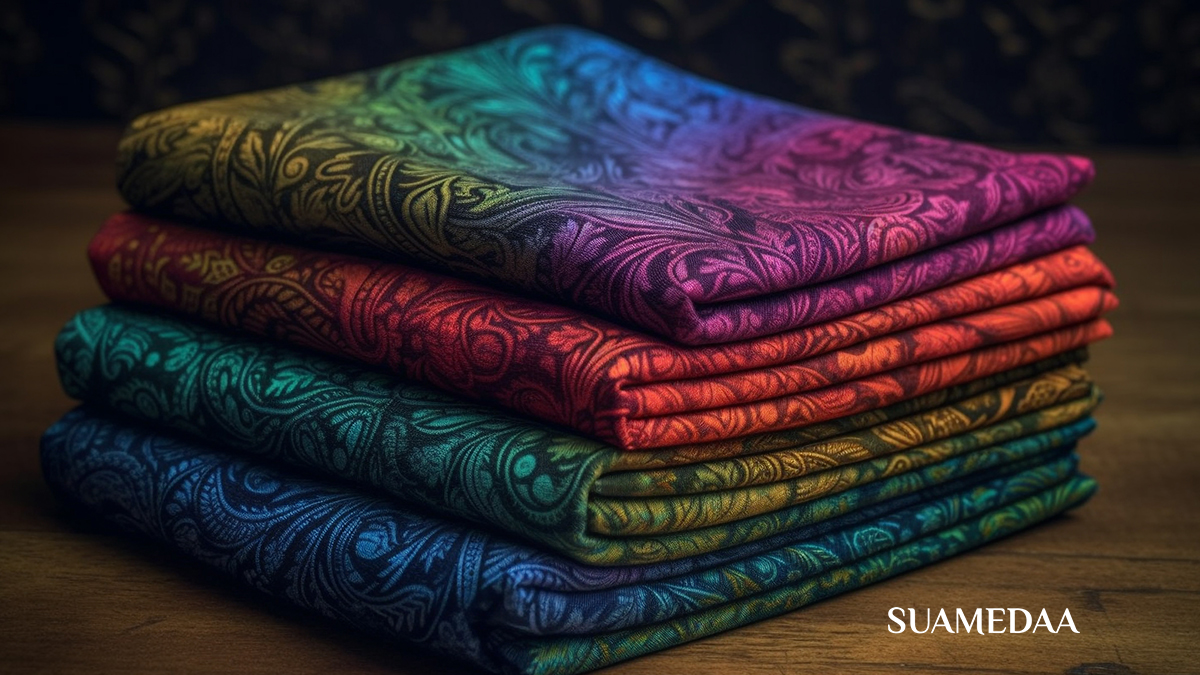
GTP and Woodin aren’t just brand names in Ghana. They’re wardrobe staples, wedding-day essentials, the fabric equivalent of a national anthem. To many Ghanaians, the idea that a fashion house so deeply woven into local identity had been foreign-owned always sat a little uneasily; a quiet irony that a piece of your own culture belonged, on paper, to somewhere else. This sale untangles that.
The buyers: personal, not just corporate
Behind Olive Africa Partners Fashions are two co-founders, Kofi Kwakwa and John Gadzi, and for at least one of them, this isn’t merely a savvy investment, it’s something closer to a homecoming.
This moment is deeply meaningful to me. My connection to this business goes back many years as a Ghanaian child who watched his mother trade in GTP fabric to support her family. John and I deem it a great honour to take over this historic company and the iconic GTP and Woodin brands and are excited about building on their legacy for the future.
It’s the kind of quote that could sound like polished PR — except it lands differently when you consider the alternative version of this story, the one where a struggling market trader’s son never gets anywhere near the boardroom that decides his product’s fate. Instead, he owns it.
Vlisco’s graceful exit
It would have been easy for the outgoing owner to frame this as a retreat. Instead, Vlisco Group CEO Perry Oosting chose the language of partnership over departure.
We are proud to have held and developed this important business over many years. TexStyles Ghana Limited and its brands are deeply connected to Ghana’s and West African cultural and textile heritage. We are pleased that the company will continue its journey with a dedicated Ghanaian-based investor who, together with the current management, understands the industry and its potential.
Vlisco’s roots stretch back to 19th-century Dutch wax-print manufacturing — a company that, in a strange historical twist, built its fortune partly by mastering a craft with African-inspired designs, then selling it back to the very markets that inspired it. That history makes this handover feel less like the end of a chapter and more like the closing of a loop.

Business as usual – on purpose
For everyone worried this means disruption, layoffs, rebrands, supply chain chaos, the early signals point the other way. TexStyles Ghana will keep its current management team in place. Managing Director Kodwo Agyenim-Boateng, who’s steered the company through the transition talks, struck a tone of quiet continuity rather than upheaval.
We want to thank Vlisco for their support over the many years and are glad to hear that they will continue to treat TSG as a partner going forward. We are also delighted to welcome our new shareholders, and look forward to working with them to continue to take the business forward.
Employees keep their jobs. Distributors keep their contracts. The fabric on the shelves next month will look exactly like the fabric on the shelves today. The only thing that’s changed is who ultimately answers for the business, and that answer now runs through Accra, not Amsterdam.
Why this one deal carries so much symbolism
Ghana’s textile industry has spent years fighting an uphill battle against cheap imports, against counterfeit prints flooding markets, against the slow erosion of an industry that once employed tens of thousands. Against that backdrop, a deal that hands two flagship brands back to local ownership reads as more than good business. It reads as a statement: that Ghanaian capital can, and does, buy back Ghanaian heritage.
Whether that symbolism translates into a genuine industrial revival more investment, more jobs, more competitiveness against imports, is the real test still ahead. The deal is signed, but not yet sealed; it’s expected to close within weeks, pending the usual regulatory paperwork. No controversy, no legal challenge, nothing but administrative boxes left to tick.
But for now, the story is simple enough to fit in one image: a woman selling fabric at a market stall, and, years later, her son signing the deal that brings that same fabric home for good.