The Person Between Your Goods and the Gate – What a Customs House Agent Actually Does
A container leaves a factory in Guangzhou. It is loaded onto a vessel in Shenzhen, sails for three weeks across the Indian Ocean, and berths at the Tema Port outside Accra. Inside the container: three hundred units of industrial machinery, invoiced at a declared value, packaged by a supplier who has shipped to Ghana before. The importer, a manufacturing company in the Accra plains, is waiting for those machines. Production timelines have been built around them.
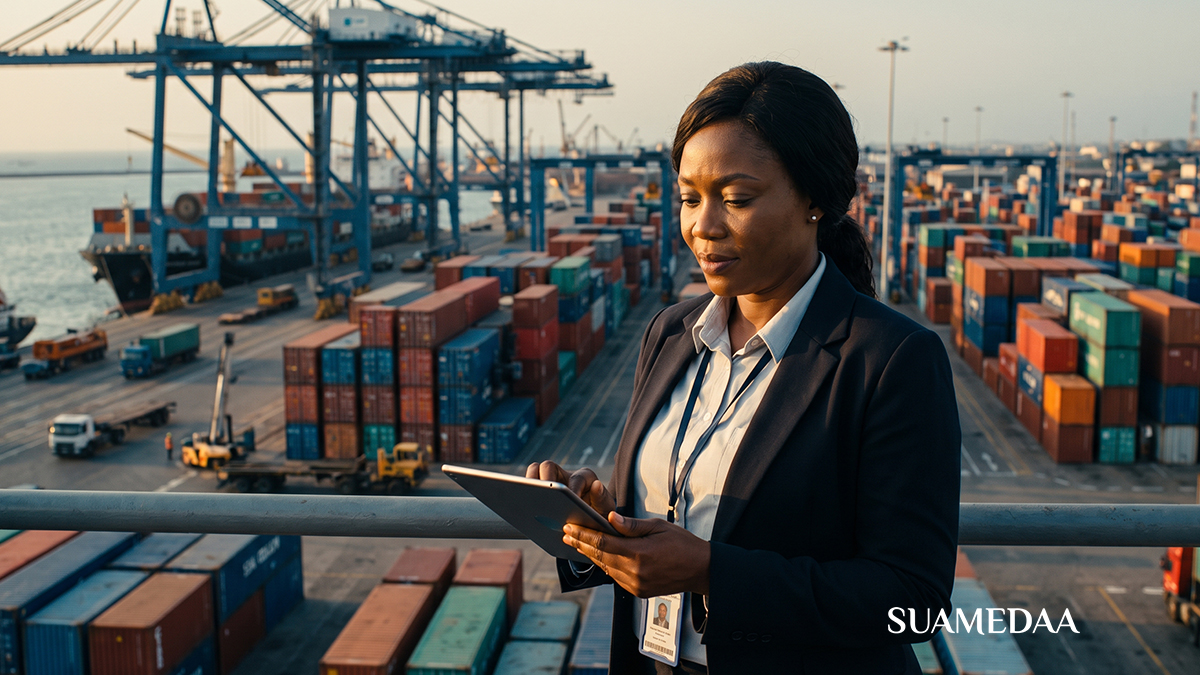
The container will not move until someone has presented the right documents to the right authorities, classified the goods under the correct tariff codes, calculated and arranged payment of applicable duties and taxes, satisfied the Customs Division of the Ghana Revenue Authority, coordinated with the Ghana Ports and Harbours Authority, and arranged for the physical release and onward transport of the goods. All of this must happen in the right sequence, through the right channels, before any port storage fees begin eating into the importer’s margins.
The person who does this work is the customs house agent.
Most people who import or export goods will interact with one. Fewer understand what the role actually entails, how much specialist knowledge it draws on, or why getting it wrong carries consequences that reach beyond inconvenience into legal liability.

The Agent as Licensed Intermediary
A customs house agent, also known in different jurisdictions as a customs broker or clearing agent, is a licensed professional authorised to act on behalf of an importer or exporter in dealings with customs authorities. The emphasis on licensing is not incidental. In most countries, including Ghana, you cannot legally clear goods through customs on behalf of another party without a licence from the relevant authority.
In Ghana, that authority is the Commissioner-General of the Ghana Revenue Authority. To obtain a licence, a customs house agent company must be wholly Ghanaian-owned, demonstrate that its employees hold certificates of proficiency in customs business, provide a recommendation letter from a recognised industry association (such as the Customs Brokers and Freight Forwarders Association of Ghana, CUBAG, or the Association of Customs House Agents of Ghana, ACHAG), and submit a full package of corporate and tax clearance documentation. Licences must be renewed annually. They can be suspended or revoked for breach of the conditions under which they were granted.
The annual renewal and the threat of revocation are not formalities. They are the mechanism by which the state maintains accountability over a profession that sits at the intersection of public revenue, trade law, and private commercial interests. An agent who makes reckless errors or assists a client in misrepresenting the nature or value of goods can face the loss of their licence, the profession, and potentially criminal liability.
The First Task: Getting the Classification Right
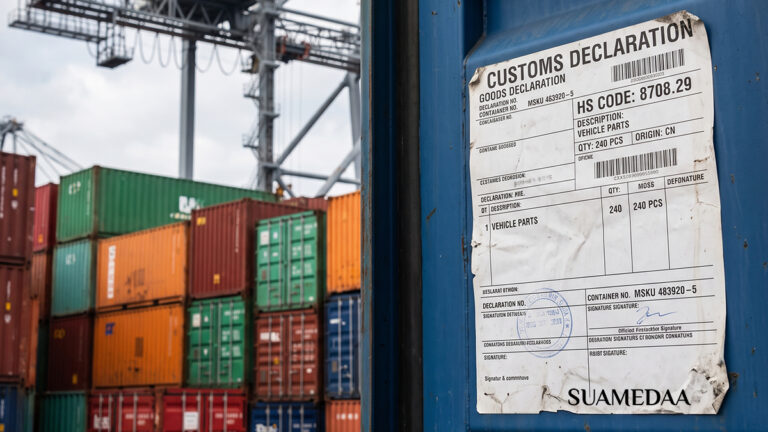
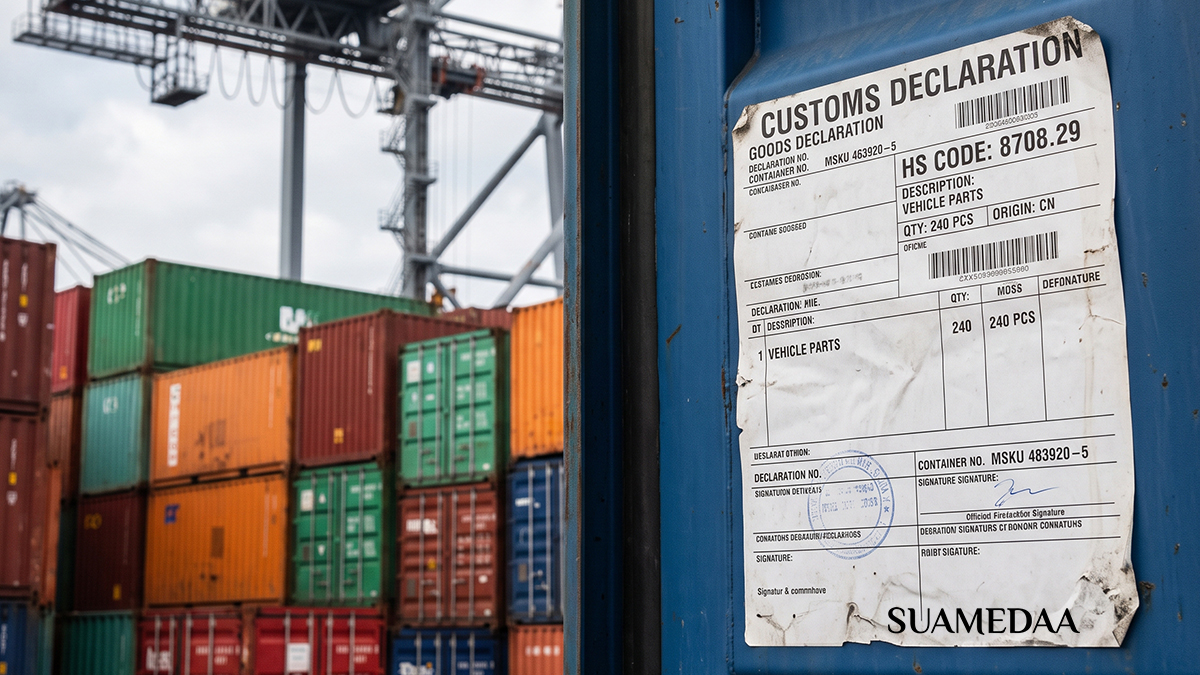
Before any goods can be cleared, they must be classified. Every product that moves across an international border must be assigned a Harmonized System code, the internationally standardised six-digit number that determines what category of goods it falls into. That code, assigned by the agent, determines the rate of import duty that applies. It can also trigger additional regulatory requirements: permits, certificates, inspections, or outright restrictions.
This is where the first and often most consequential professional judgement in the clearance process occurs. Classification is not always obvious. A product that combines electrical and mechanical components may sit on the boundary between two chapters of the tariff schedule, each with a different duty rate. A food product processed in a particular way may fall under a different subheading than the same food unprocessed. An agent who assigns the wrong code, even in good faith, can create a duty shortfall that customs authorities have years to discover and reassess.

“Classification is not always obvious. An agent who assigns the wrong code, even in good faith, can create a duty shortfall that customs authorities have years to discover and reassess.”
An experienced customs house agent brings to this task a detailed knowledge of the tariff schedule, familiarity with how the Ghana Revenue Authority tends to classify particular product categories, and an understanding of when a product is genuinely ambiguous enough to warrant a formal binding ruling before the shipment is cleared. That last option, seeking pre-clearance classification certainty, costs time upfront. It prevents much larger costs later.
The Document Architecture
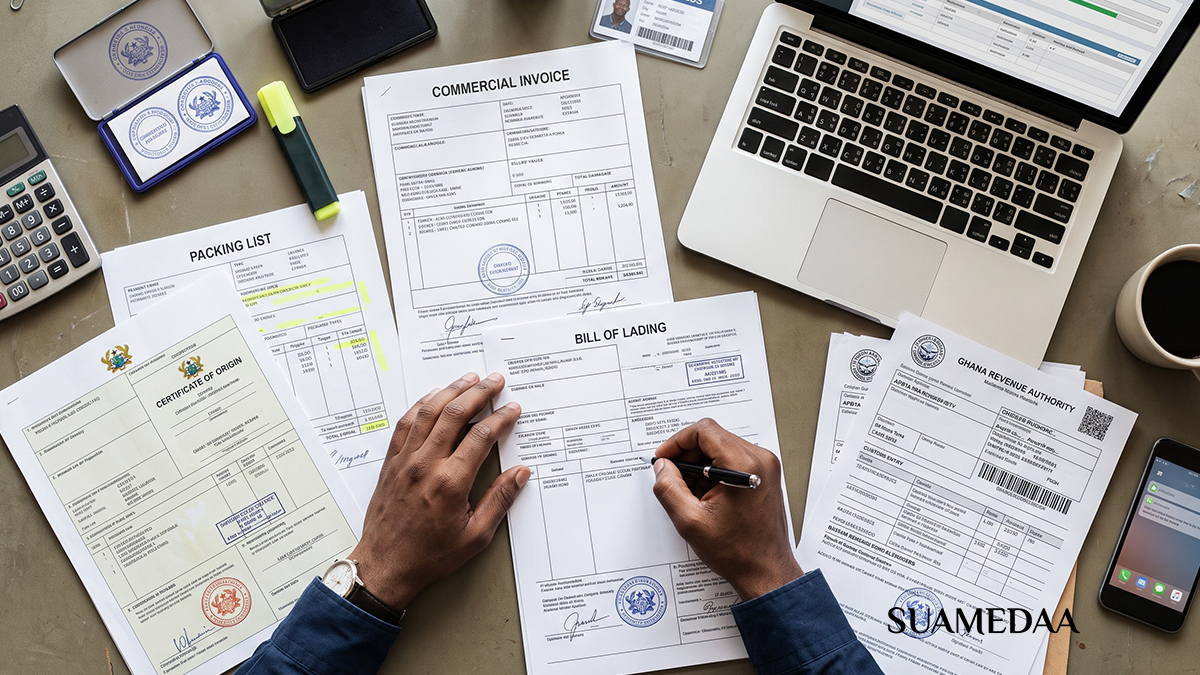
Once classification is established, the customs house agent assembles and files the documentation that forms the legal basis of the customs entry. The specific set varies by transaction, but the core documents are consistent across most import clearances:
The bill of lading is the foundational document. Issued by the shipping line, it serves as receipt for the cargo, evidence of the contract of carriage, and a document of title. The agent must obtain the original or a telex release before customs processing can proceed. Without it, the goods cannot legally be claimed.
The commercial invoice declares the value of the goods, the parties to the transaction, the terms of sale, and the country of origin. Customs authorities use it to verify declared value. Undervaluation, whether deliberate or resulting from an incorrect invoice, is one of the most common compliance failures and one of the most seriously treated.
The packing list details the physical contents of each package or container: weights, dimensions, quantities, and descriptions. It is the document an inspector reaches for when the physical goods do not match what the invoice describes.



The certificate of origin establishes where the goods were manufactured. This matters because Ghana participates in trade agreements, such as those under the African Continental Free Trade Area, that provide preferential duty rates for goods originating from member states. The origin certificate is what makes that preference claimable.
Additional documents may include import permits or licences for regulated goods, phytosanitary or health certificates for agricultural or food products, and letters of credit where the transaction involves bank-mediated payment.
The agent does not merely collect these documents. They review them for consistency. A commercial invoice that describes goods differently from the bill of lading, or a certificate of origin that does not match the declared HS code, will attract scrutiny from customs examiners and delay clearance. Catching these discrepancies before filing, and going back to the shipper or supplier to correct them, is part of the preparation work that separates a competent agent from a paper-shuffler.
Filing, Duties, and the Clearance System
In Ghana, customs declarations are filed electronically through ICUMS, the Integrated Customs Management System, which replaced the older GCNet platform. The agent enters the shipment details, attaches the relevant documents, and submits the declaration, which triggers an automated risk assessment by the customs system. Depending on the outcome, the shipment may be cleared immediately, flagged for documentary review, or directed to physical examination.
When duties and taxes are assessed, the agent arranges payment. This typically involves paying on behalf of the importer, using funds that have been advanced by the client or held in the agent’s accounts for this purpose. The agent is accountable for the accurate calculation of what is owed and for ensuring that payment reaches the relevant accounts before goods are released. Under Ghanaian law, they sign documents for clients under a power of attorney, which means their signature on a customs entry carries legal weight. They are not merely submitting on behalf of someone else. They are certifying, in their professional capacity, the accuracy of what has been declared.
What Happens When Goods Are Examined
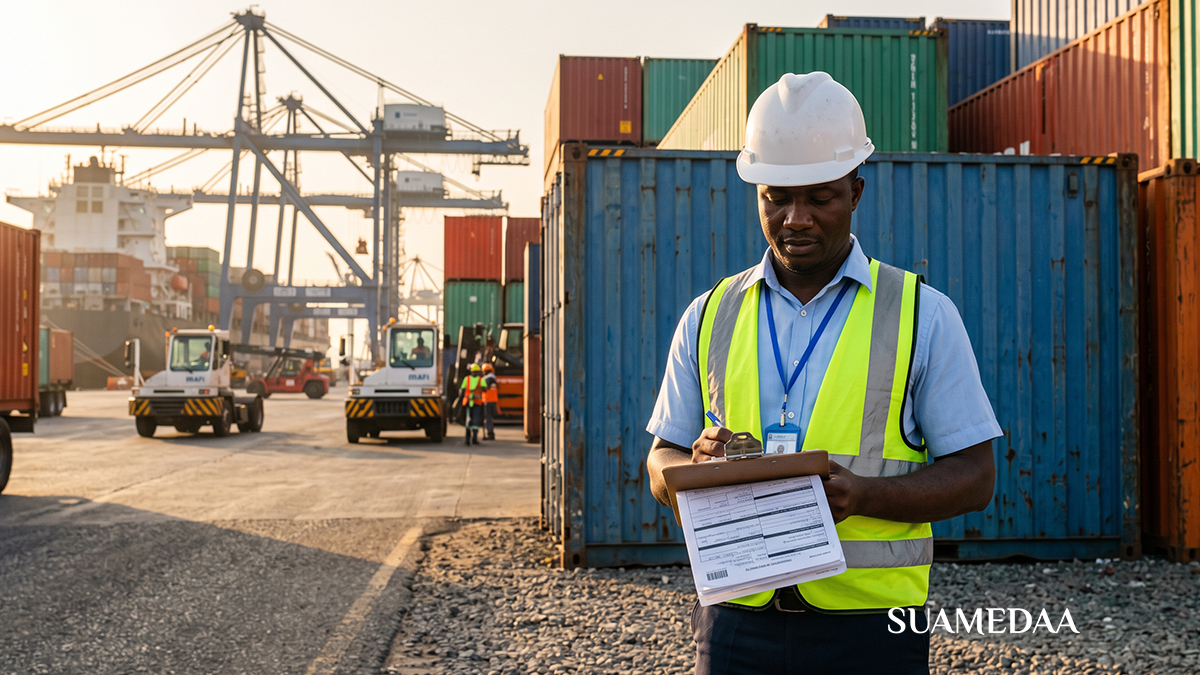
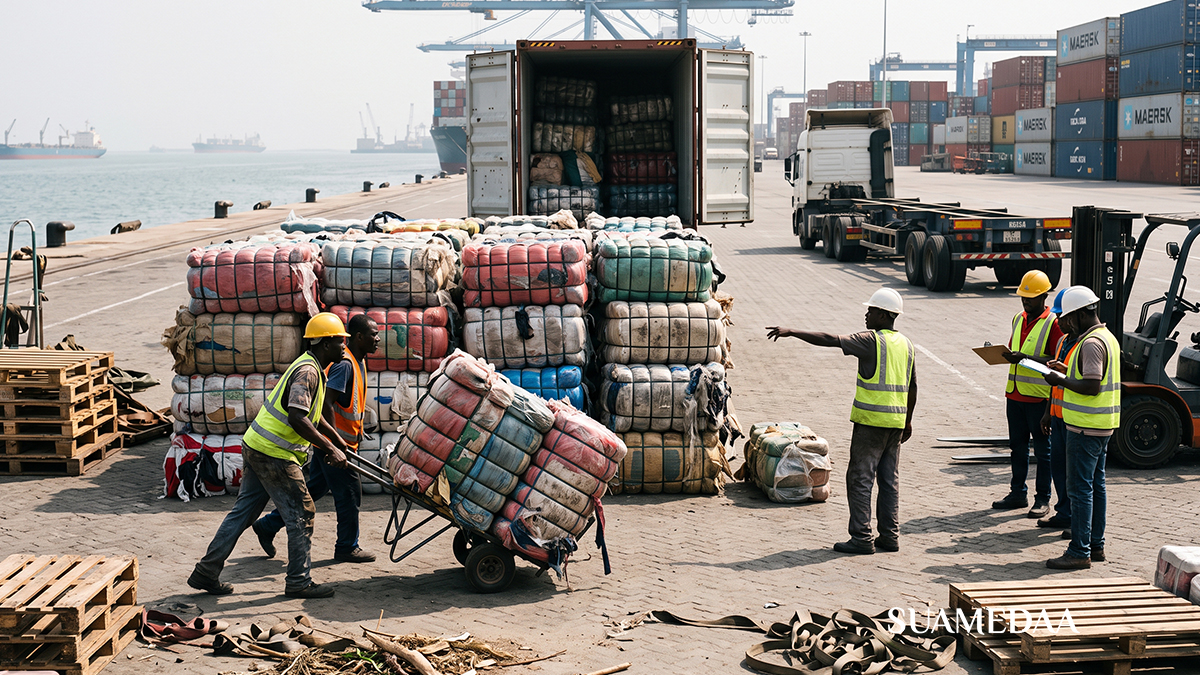
Not all shipments are waved through. Customs authorities conduct physical examinations of a proportion of arriving cargo, either on a risk-profiled basis or through random selection. When an examination is ordered, the customs house agent is present for it.
Physical examination involves customs officers opening the container or packages and comparing the actual contents against what the documentation says is inside. If the goods match the description, the examination is concluded and clearance proceeds. If there is a discrepancy, the agent is in the middle of the resolution process. A minor discrepancy in quantity may be corrected by amending the declaration. A significant mismatch between declared and actual goods is a more serious matter, particularly if the difference affects the duty calculation.
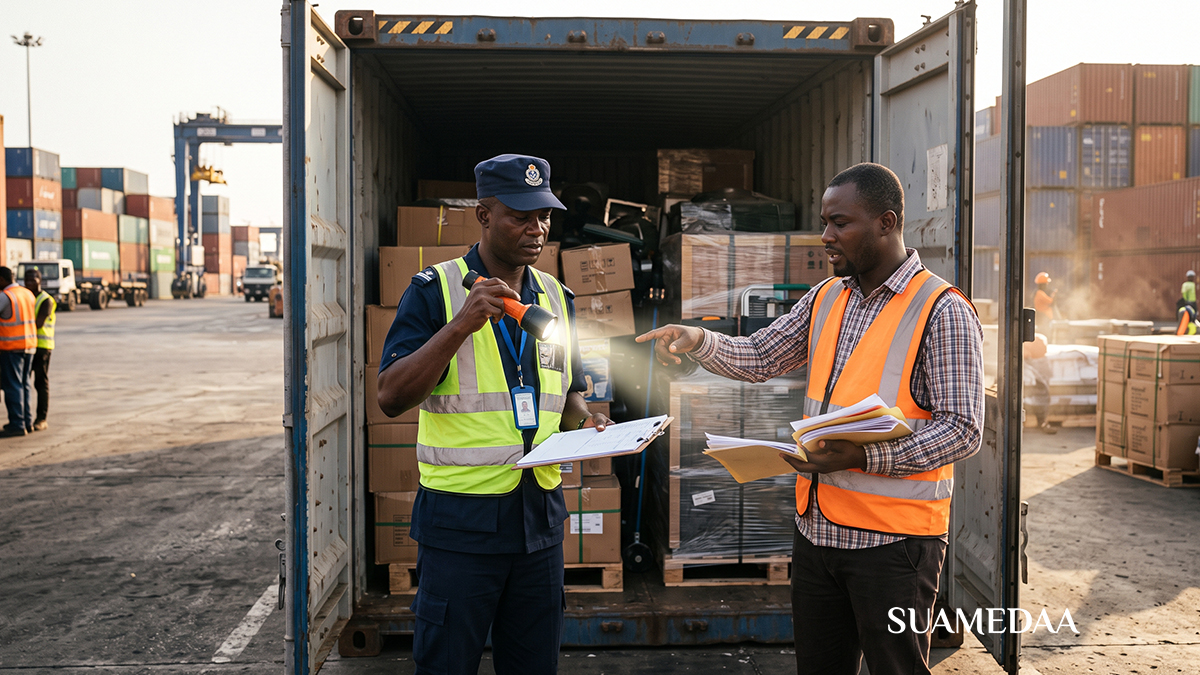
The agent’s role during examination goes beyond attendance. They coordinate the logistics: arranging labour for unloading and repacking, ensuring forklift access if containers need to be moved, liaising with the terminal operator on timing. At Tema, this coordination involves working across multiple institutions simultaneously, including the Ghana Ports and Harbours Authority, the shipping line, the terminal operator (Meridian Port Services or GPHA-operated terminals depending on the vessel), and the GRA Customs Division. The agent is the common thread.
Regulated and Restricted Goods
Certain categories of goods attract additional regulatory attention beyond standard customs clearance. Food products, pharmaceuticals, agricultural inputs, chemicals, and used machinery each carry their own permit, inspection, or certification requirements administered by agencies other than the Customs Division.
The Ghana Food and Drugs Authority issues permits for food products and pharmaceuticals. The Plant Protection and Regulatory Services Directorate handles phytosanitary requirements for plant material. The Environmental Protection Agency is involved in the import of certain chemicals. Used vehicles require inspection and age documentation. Each of these processes must be completed before or alongside customs clearance, and each involves interaction with a different agency on a different timeline.
Coordinating across these agencies is a significant part of what a customs house agent does for clients importing regulated goods. The agent who knows which agency needs to be engaged at which stage, what documentation each requires, and how to avoid the sequence errors that cause one clearance to hold up another, saves the importer time and storage costs that accumulate daily while goods wait at the port.
The Cost of Getting It Wrong
The customs house agent carries professional liability that is easy to underestimate. When a customs entry is filed under a licence, the agent is making a legal declaration. If goods are misclassified, undervalued, or improperly described, the consequences fall first on the importer, but the agent is not insulated from them.
GRA can reassess duty on a shipment years after clearance. Where underpayment is found, penalties and interest apply to the original shortfall. In cases of fraud, criminal proceedings are possible. An agent whose licence is connected to a pattern of misclassifications may face licence revocation, which is the end of the business.
This is why reputable customs house agents will decline to clear goods whose documentation they cannot verify, will push back on clients who instruct them to declare a lower value than the invoice shows, and will sometimes recommend delays in clearance in order to obtain a formal ruling on a classification question. This caution is not inefficiency. It is the professional management of risk that the licence represents.
“Reputable customs house agents will decline to clear goods whose documentation they cannot verify, and will push back on clients who instruct them to declare a lower value than the invoice shows.”
Beyond Clearance: The Advisory Function
The best customs house agents do more than process entries. They advise clients on the structure of their imports in ways that are legally compliant but commercially intelligent.
This advisory function includes identifying applicable trade agreement preferences. Ghana’s membership in AfCFTA, for example, means that goods originating from other African member states may attract preferential duty rates that standard non-preferential tariffs would not. Claiming those rates correctly requires the right documentation and the right HS code. An agent who spots the preference opportunity and helps the client obtain the correct certificate of origin before the goods ship saves money that would otherwise be paid as duty.
It also includes advising on the implications of product descriptions. The way a product is described on a commercial invoice affects how it is classified. Minor differences in wording can move a product between subheadings with different duty rates. An agent who understands this can advise importers on how to work with their suppliers to ensure that invoices accurately describe the goods in terms that lead to correct and optimal classification.
For frequent importers, the customs house agent often becomes a standing partner, retained on a per-shipment or retainer basis, who is consulted before purchase orders are placed, not after containers have left the origin port.

A Profession Built on Knowledge and Relationships
The customs house agent occupies a position in trade logistics that is difficult to replicate without the specific knowledge it requires. Trade law changes. Tariff schedules are updated. New requirements are introduced. Systems change. The ICUMS transition in Ghana changed the workflow for every agent operating at Tema and other entry points. An agent who is not continuously current with these changes is an agent whose advice cannot be trusted.
The relationships matter as well. An agent who works regularly at a given port builds familiarity with the customs officers, terminal operators, and agency representatives whose decisions affect clearance timelines. This familiarity does not mean shortcuts or improper influence. It means knowing the right person to call when a document has been held for reasons that are unclear, knowing how a particular commodity has been classified in previous entries, and knowing which issues can be resolved by the agent and which require the client to be involved.
When a container arrives and the clock is running on storage fees, on production schedules, on perishable goods, on a delivery commitment to a downstream customer, the customs house agent is the person who stands between that container and the gate. The quality of their work, the accuracy of their filings, the competence of their advice, and the strength of their professional standing determines how quickly those goods move.
The role is not glamorous. It rarely appears in business profiles or trade journalism. But in any economy that depends on the movement of goods, it is indispensable.