The Benefits of Aidan Fruit Prekese
There is a Ghanaian saying about the Prekese tree that captures something essential about the Aidan fruit: “Prekese, the sweet scenter, whose fragrance is felt in all houses when it starts from the end of town.” The Asante people coined that description for good reason. When an Aidan fruit is added to a pot of palm nut soup or stewed in water for medicinal use, its rich, distinctive aroma fills not just a kitchen but an entire compound, sometimes an entire street, with a warm, sweet, slightly pungent scent unlike anything else in the botanical world.
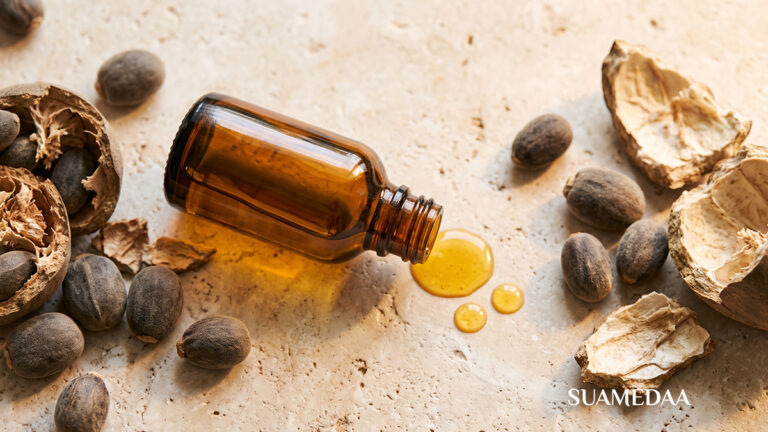
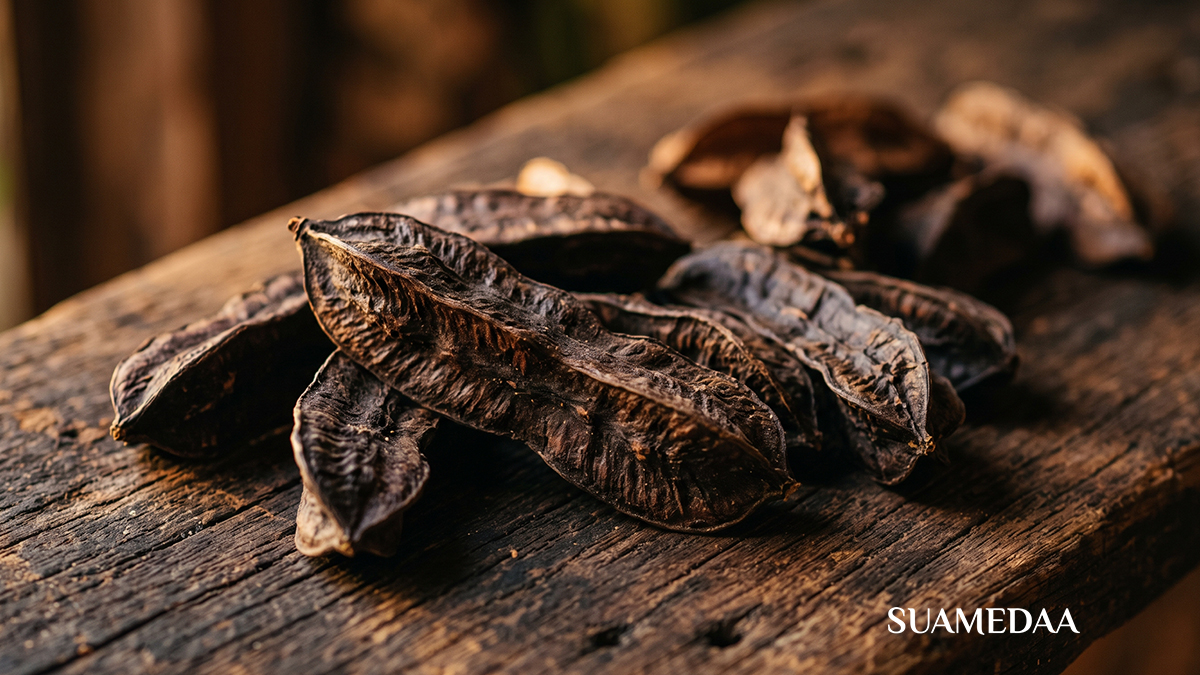
Aidan fruit, known scientifically as Tetrapleura tetraptera, is one of West Africa’s most culturally significant and medicinally important plants. It is called Prekese in the Akan language of Ghana, Aridan or Aidan in Yoruba in Nigeria, Oshosho or Obogolo in Igbo, Ighimiaka in Edo, Uyayak in Efik, and Dawo in Hausa. In Cameroon, Côte d’Ivoire, Sierra Leone, and across the forested belt of West and Central Africa, the tree grows wild in rainforests and forest edges, its long, dark brown, four-winged pods hanging from branches like something between a vanilla bean and a carved wooden ornament.
Those pods are the Aidan fruit, and they have been used in cooking and healing across West Africa for centuries. Traditional healers and community elders have long understood that this fruit does more than flavour soup. A 2024 comprehensive review published in the journal Heliyon, authored by researchers from Ghana and published in PMC, confirmed what generations of practitioners already knew: Tetrapleura tetraptera possesses genuine nutritive value and a wide spectrum of biological properties that translate into documented health benefits including blood pressure management, immune support, malaria treatment, diabetes management, and cancer prevention. Understanding the science behind those claims requires starting with what the fruit actually contains.



What Aidan Fruit Is and What It Contains
Tetrapleura tetraptera is a deciduous tree belonging to the Fabaceae family, growing between 15 and 25 metres tall in tropical forest zones, occasionally reaching 30 metres. Its most distinguishing feature is its fruit: large, woody pods between 10 and 30 centimetres in length with four prominent longitudinal ridges or wings, from which the species name derives, tetra meaning four and ptera meaning wing. The pods start green and ripen to a deep brown, containing flat, oval seeds embedded in a sticky, aromatic pulp. It is the pod itself, the woody ridges and the pulp together, that is used both culinarily and medicinally.
The nutritional composition of the Aidan fruit is impressive. The 2024 Heliyon review confirmed that the fruit contains approximately 58 to 64 percent carbohydrates, providing sustained energy alongside dietary fibre. Its mineral content is extraordinary: it contains between 251 and 289 milligrams per gram of potassium, between 182 and 200 milligrams per gram of calcium, and between 322 and 342 milligrams per gram of manganese, alongside meaningful amounts of iron, phosphorus, zinc, and magnesium. Vitamins are present at concentrations between 0.02 and 4.69 milligrams per gram depending on the variety and part of the fruit analysed.
Beyond macronutrients and minerals, Aidan fruit contains a rich array of bioactive phytochemicals that are directly responsible for its medicinal properties. These include polyphenols, flavonoids, tannins, saponins, alkaloids, terpenoids, and phytosterols. Each of these compound classes carries specific biological activity, and together they produce the broad medicinal profile that has made Aidan fruit one of the most studied plant medicines in West African ethnopharmacology. The essential oils of the fruit, responsible for its characteristic aroma, contain additional bioactive compounds including aridanin and other volatile terpenoids with documented antimicrobial and insect-repellent properties.
Anti-Inflammatory Properties
Inflammation is the body’s primary defence response to injury and infection, but when it becomes chronic and systemic, it drives an extensive range of degenerative conditions: arthritis, cardiovascular disease, metabolic syndrome, autoimmune disorders, and certain cancers. Managing chronic inflammation through diet and plant medicine is among the most studied areas of contemporary nutritional science, and Aidan fruit has a substantial evidence base in this domain.
Research published in ScienceDirect, investigating the anti-inflammatory and hypoglycaemic effects of Tetrapleura tetraptera aqueous fruit extract in rats, confirmed significant anti-inflammatory activity. The flavonoids and saponins in the fruit are identified as the primary anti-inflammatory agents, working by inhibiting the production of pro-inflammatory mediators including prostaglandins, interleukins, and tumour necrosis factor alpha. A further study at ScienceDirect confirmed that a polyphenol-rich extract of Tetrapleura tetraptera significantly increased adiponectin, an anti-inflammatory hormone, while simultaneously downregulating TNF-alpha, interleukin-6, C-reactive protein, and leptin in diabetic and obese animal models. These are precisely the inflammatory markers most closely associated with cardiovascular risk and metabolic disease in human populations.



The traditional use of Aidan fruit across West Africa for the management of arthritis, rheumatic conditions, and general inflammatory pain reflects a genuine pharmacological reality. The compounds responsible for its anti-inflammatory activity have been identified, the mechanisms by which they work have been described at the molecular level, and the effects have been confirmed in multiple animal models. Human clinical trials on Aidan fruit’s anti-inflammatory activity remain an area where more research is needed, but the mechanistic foundation is solid.
Blood Pressure and Cardiovascular Health
Hypertension is one of the most prevalent conditions managed with Aidan fruit in West African traditional medicine, and it is also one of the areas with the strongest scientific support. The antihypertensive properties of Tetrapleura tetraptera have been confirmed by multiple independent research groups and are attributed to several complementary mechanisms.
The flavonoids in Aidan fruit promote vasodilation, the relaxation and widening of blood vessels, by stimulating nitric oxide production in the endothelial cells lining the arteries. Nitric oxide causes smooth muscle in vessel walls to relax, reducing resistance to blood flow and lowering pressure. The potassium content of the fruit contributes independently to blood pressure management through the same mechanism by which dietary potassium generally supports cardiovascular health: by counteracting the blood-pressure-raising effect of sodium and promoting sodium excretion through the kidneys.
A study published on ScienceDirect Topics documented the work of Kuate and colleagues, who found that polyphenol-rich hydroethanolic extract of Tetrapleura tetraptera significantly decreased systolic blood pressure in diabetic-obese animal models compared to controls, alongside alleviating obesity, oxidative stress, and improving insulin resistance indices. The cardiovascular benefits of the extract extended across multiple risk factors simultaneously, consistent with the multi-target pharmacological profile of a polyphenol-rich plant food.
The National Medicinal Plants and Products Database for Nigeria confirmed that the fruit, bark, and leaves of Tetrapleura tetraptera are valued specifically for their antihypertensive properties and are traditionally boiled into decoctions consumed for hypertension management. This traditional application has been transmitted across generations in Nigeria, Ghana, and Cameroon for a documented reason: the fruit works.



Blood Sugar Management and Antidiabetic Activity
The management of diabetes and blood sugar dysregulation is another major area of traditional use for Aidan fruit that has received substantial scientific attention. The antidiabetic properties of Tetrapleura tetraptera operate through multiple mechanisms that collectively support better glucose regulation and improved insulin sensitivity.
Flavonoids and saponins in the fruit inhibit alpha-glucosidase and alpha-amylase, enzymes responsible for breaking down complex carbohydrates into glucose in the digestive tract. By slowing this breakdown, Aidan fruit compounds reduce the rate at which glucose enters the bloodstream after meals, moderating post-meal blood sugar spikes that challenge people with insulin resistance or type 2 diabetes. This enzyme-inhibitory mechanism is the same one exploited by certain pharmaceutical antidiabetic drugs, but delivered through a natural food matrix.
The 2024 Heliyon comprehensive review confirmed the antidiabetic activity of Tetrapleura tetraptera as one of its well-documented biological properties. Research cited in ScienceDirect found that the polyphenol-rich extract alleviated blood glucose levels and improved the homeostasis model assessment of insulin resistance index in diabetic-obese animal models. Another study found that Aidan fruit extract improves insulin synthesis, decreases glycosylated haemoglobin levels, a key long-term marker of blood sugar control, and modulates oxidative stress in pancreatic tissue, the organ responsible for insulin production.
The antioxidant compounds in Aidan fruit also protect pancreatic beta cells, the specific cell type responsible for producing insulin, from oxidative damage that would otherwise reduce their number and function over time. Protecting beta cell integrity is a meaningful contribution to long-term blood sugar regulation that goes beyond the immediate post-meal glucose management provided by enzyme inhibition.
Antioxidant Properties and Free Radical Scavenging
The pod of Aidan fruit contains polyphenols, flavonoids, tannins, and alkaloids in concentrations that give it significant antioxidant capacity. These compounds neutralise free radicals, the unstable reactive molecules that damage cellular DNA, proteins, and lipid membranes, accelerating biological ageing and creating the oxidative stress that underlies chronic disease development.
Research published in ScienceDirect, specifically examining the anti-inflammatory and hypoglycaemic effects of Tetrapleura tetraptera, confirmed that the pod contains polyphenol, flavonoid, tannins, and alkaloids which are antioxidants that protect the body from free radicals and oxidative damages responsible for ageing. The antioxidant activity of Aidan fruit is not incidental to its other health benefits. It is foundational to them: the same oxidative damage that accelerates ageing also drives the vascular damage of hypertension, the beta cell destruction of diabetes, and the cellular mutations that initiate cancer. By comprehensively reducing oxidative load, Aidan fruit supports multiple organ systems simultaneously through a single fundamental mechanism.
The flavonoids in Aidan fruit, particularly quercetin and kaempferol derivatives, are among the most studied antioxidant compounds in the plant kingdom. Their presence in meaningful concentrations in Aidan fruit contributes to a broad antioxidant profile that protects against both acute oxidative stress and the chronic low-level oxidative burden associated with modern diets and environments.
Antimicrobial and Antibacterial Activity
The antimicrobial properties of Aidan fruit are among its most practically valuable and most thoroughly documented in the laboratory. Essential oils derived from the fruit have demonstrated antibacterial activity against a range of clinically significant pathogens including Staphylococcus aureus, Escherichia coli, Salmonella species, and various fungal organisms.
The National Medicinal Plants Database confirmed antimicrobial activity against bacteria and fungi as one of the documented pharmacological properties of Tetrapleura tetraptera. The bioactive compounds responsible include the terpenoids and phenolic compounds in the essential oil alongside the tannins, which are well-known antimicrobial agents that disrupt bacterial cell membranes and inhibit enzyme activity in pathogens.
In traditional medicine across West Africa, Aidan fruit decoctions are used to treat bacterial and fungal skin infections, gastrointestinal infections, and systemic febrile illness. The lauric acid and aridanin identified in the fruit’s fatty acid and terpenoid composition contribute to this antimicrobial profile. Research has also confirmed anti-uropathogenic activity: studies found that both fresh and fermented Aidan-related extracts exhibit activity against urinary pathogens, suggesting a traditional basis for its use in urinary tract infections.
The antimicrobial activity of Aidan fruit essential oil has attracted interest in the context of antibiotic resistance, since plant-based antimicrobial compounds often work through mechanisms different from conventional antibiotics, potentially offering activity against strains resistant to standard pharmaceutical agents. This is an area of active research rather than established clinical application, but the preliminary evidence is considered promising.
Anticonvulsant and Neurological Effects
One of the most specific and culturally significant traditional uses of Aidan fruit across West Africa is its application in the management of epilepsy and convulsions. In Nigeria and Ghana, leaves and fruit of Tetrapleura tetraptera are used in traditional medicine to treat seizure disorders, and this use has been documented extensively in ethnopharmacological surveys.
The scientific basis for this application is supported by research confirming anticonvulsant activity. The alkaloids and flavonoids in Aidan fruit are thought to act on the central nervous system through modulation of inhibitory and excitatory neurotransmitter systems, reducing neuronal hyperexcitability that underlies seizure activity. Research published in ScienceDirect Topics and confirmed by the 2024 Heliyon review listed anticonvulsant activity as one of the documented pharmacological properties of Tetrapleura tetraptera.
The National Medicinal Plants Database for Nigeria explicitly confirmed that Tetrapleura tetraptera affects the central nervous system, reducing convulsions, validating the pharmacological basis for a traditional application that has been practiced for generations. While pharmaceutical antiepileptic drugs remain the standard of care for epilepsy management, the anticonvulsant properties of Aidan fruit represent a meaningful traditional adjunct and a scientifically legitimate basis for its historical use in managing seizure disorders.
The traditional boiling of Aidan fruit leaves in water to produce a decoction drunk or applied to people experiencing convulsive episodes is documented across multiple West African cultures and is corroborated by the identified pharmacological activity.
Antimalarial Activity
Malaria remains a significant public health challenge across sub-Saharan Africa, and Aidan fruit has a long history of use in traditional antimalarial medicine. The 2024 Heliyon review confirmed malaria treatment as one of the health benefits associated with Tetrapleura tetraptera. Research published in ResearchGate confirmed that fruit extract possesses significant antiplasmodial activity, meaning it demonstrates activity against the Plasmodium parasite responsible for malaria, and suggested this may have contributed to the immune status of populations in endemic regions who regularly consume Aidan fruit.
The antiplasmodial compounds in Aidan fruit include alkaloids and terpenoids that have been shown in laboratory studies to inhibit the growth of Plasmodium falciparum, the most dangerous of the malaria-causing species. The mechanisms include disruption of haem detoxification in the parasite and oxidative stress induced specifically in parasite cells rather than in host cells, a selectivity that is essential for a useful antimalarial agent.
The fruit is boiled and consumed as part of soups and decoctions in communities across the malaria belt of West Africa, and the regularity of this consumption likely provides a degree of ongoing antimalarial protection consistent with what the antiplasmodial research suggests. The contribution to immune status over a lifetime of consumption, rather than as a single acute treatment, may be the more significant public health effect of this particular property.
Postpartum Care and Women’s Health
Across West Africa, Aidan fruit holds a specific and culturally important role in postpartum care. In Ghana, Nigeria, Cameroon, and Côte d’Ivoire, it is a standard ingredient in the soups and drinks prepared for women in the days and weeks following childbirth. It is traditionally understood to support uterine recovery, assist in uterine contraction to expel remaining tissue and blood from delivery, replenish lost nutrients, support breast milk production, and restore the mother’s strength and vitality.
A 2025 study published in the Journal of Complementary and Alternative Medical Research investigated the effects of Tetrapleura tetraptera extract on uterine weight and reproductive hormones in postpartum Wistar rats. The research confirmed effects on reproductive hormones including follicle-stimulating hormone, oestrogen, and progesterone, providing a scientific basis for the traditional understanding that Aidan fruit influences the hormonal environment of the postpartum period.
The nutritional contribution of Aidan fruit to postpartum recovery is also meaningful: the high mineral content, particularly potassium, calcium, and iron, directly addresses the nutritional depletion of childbirth and breastfeeding. The anti-inflammatory properties reduce post-delivery inflammation. The antimicrobial properties support protection against postpartum infection. The immune-boosting antioxidant compounds support recovery of immune function. The traditional postpartum application of Aidan fruit is therefore not a single-mechanism intervention but a multi-dimensional nutritional and pharmacological support for the physical demands of the postpartum period.
The 2024 Heliyon comprehensive review listed postpartum recovery among the established traditional uses of Tetrapleura tetraptera that have supporting scientific evidence.
Immune System Support
The immune-boosting properties of Aidan fruit are both direct and indirect. Directly, its flavonoids, polyphenols, and vitamins stimulate and modulate immune function, enhancing the activity of natural killer cells, macrophages, and T-lymphocytes that identify and destroy pathogens and abnormal cells. The antioxidant compounds reduce the oxidative stress that suppresses immune function when it accumulates. The vitamins, particularly vitamin C which is present in the fruit, support multiple aspects of immune cell production and activity.
Indirectly, the anti-inflammatory properties of Aidan fruit prevent the chronic low-grade inflammation that suppresses immune function over time. Persistent inflammation diverts immune resources from genuine pathogen response toward the ongoing management of inflammatory signals, leaving the system less capable of responding to actual infections and less effective at cancer surveillance. By reducing this chronic inflammatory burden, Aidan fruit supports a more resilient and responsive immune system.
The 2024 Heliyon review confirmed enhanced immune system function as one of the health benefits of Tetrapleura tetraptera. Research cited in ResearchGate suggested that regular consumption of Aidan fruit may have contributed to the immune status of West African communities against malaria, suggesting that immune modulation through dietary Aidan fruit consumption may produce population-level effects on disease susceptibility when consumption is regular and sustained over time.
The Natu Prekese drink produced commercially in Ghana, which is based on a Tetrapleura tetraptera extraction and is claimed to aid immune function and blood circulation, reflects the contemporary commercial translation of a traditional understanding of this fruit’s immune-supporting properties, though its specific effects have not yet been evaluated in formal clinical trials.
Digestive Health
The digestive benefits of Aidan fruit operate through several mechanisms related to its fibre content, its antimicrobial properties, and its anti-inflammatory activity in the gastrointestinal tract. Traditional use of the fruit in West Africa for the management of gastrointestinal disorders including indigestion, bloating, stomach cramps, and constipation is well documented in ethnopharmacological surveys.
The dietary fibre in Aidan fruit supports regular bowel function by adding bulk to stool and promoting the movement of contents through the digestive tract. The tannins have an astringent effect on the intestinal mucosa that reduces excessive secretion and inflammation in acute gastrointestinal conditions. The antimicrobial compounds address the bacterial and parasitic pathogens responsible for gastrointestinal infections that are common in communities across tropical West Africa.
Research has noted that the natural components of Aidan fruit alleviate symptoms related to indigestion, bloating, and stomach cramps through a combination of these mechanisms. The anti-inflammatory activity reduces gut mucosal inflammation that underlies conditions ranging from acute gastroenteritis to chronic inflammatory bowel disease. The prebiotic potential of its polyphenolic compounds, which selectively feed beneficial gut bacteria, contributes to overall microbiome health and gut function in a manner similar to what has been documented for polyphenol-rich foods more broadly.
Asthma and Respiratory Support
The traditional use of Aidan fruit in the management of asthma is documented in multiple ethnopharmacological reviews and is supported by the pharmacological properties of its compounds. Tetrapleura tetraptera has been used in tropical African traditional medicine for asthma management for generations, and its bronchodilatory and anti-inflammatory properties provide a scientific basis for this application.
The anti-inflammatory flavonoids in the fruit reduce airway inflammation, the primary pathological mechanism in asthma, by inhibiting the production of the same inflammatory mediators that drive bronchial hyper-reactivity and airway narrowing. The bronchodilatory properties of certain terpenoids in the fruit’s essential oil contribute to the relaxation of bronchial smooth muscle that is necessary for comfortable breathing in asthmatic episodes.
Research published in Ethnopharmacology and documented in the ScienceDirect review of Tetrapleura tetraptera confirmed asthma as one of the conditions for which the fruit is used in traditional medicine with pharmacological support. The 2024 Heliyon review listed asthma management among the documented health applications of the plant. While pharmaceutical bronchodilators and corticosteroids remain the standard of care for asthma, the traditional use of Aidan fruit as an adjunct in respiratory management has a rational pharmacological basis that warrants further formal clinical investigation.
Cancer Prevention Potential
Cancer prevention is one of the most significant and most carefully stated potential benefits of Aidan fruit, noted in the 2024 Heliyon comprehensive review as one of the health benefits that the biological properties of Tetrapleura tetraptera translate into. The qualification of prevention rather than treatment is important and deliberate: the evidence at this stage relates to the mechanisms by which the fruit’s compounds may reduce cancer risk, not to evidence of treating established cancer.
The polyphenols and flavonoids in Aidan fruit have well-documented antiproliferative activity, meaning they inhibit the uncontrolled cell division that characterises cancer, in laboratory cell studies. They do this through multiple pathways: inducing apoptosis, the programmed cell death that cancer cells have typically learned to evade; inhibiting angiogenesis, the formation of new blood vessels that tumours require for growth; and reducing the oxidative DNA damage that initiates cancerous mutations in the first place.
The antioxidant activity of Aidan fruit’s polyphenols is particularly relevant to cancer prevention because oxidative damage to DNA is the most common initiating event in carcinogenesis. A daily dietary exposure to high concentrations of free radical-scavenging polyphenols, as is the case for communities that regularly use Aidan fruit in cooking, creates a consistent internal environment less hospitable to the initiation of cancerous change.
The anti-inflammatory properties complement the antiproliferative and antioxidant ones, since chronic inflammation is a well-established promoter of cancer development. By reducing chronic inflammatory signalling, Aidan fruit compounds reduce one of the primary conditions that allows pre-cancerous cells to survive, divide, and progress toward malignancy.
Natural Insect Repellent
The essential oils of Aidan fruit contain volatile terpenoid compounds that function as natural insect repellents, a property documented in the National Medicinal Plants Database and corroborated by traditional practice. Aidan fruit is traditionally burned or placed in living and sleeping spaces to repel mosquitoes and other insects in parts of West Africa, a use consistent with its rich essential oil content and the known insect-repellent properties of many terpenoid compounds.
This application is particularly significant in the context of malaria prevention, where any measure that reduces mosquito contact contributes to disease risk reduction. The combination of antimalarial activity when consumed and mosquito-repellent activity when used in the living environment makes Aidan fruit a dual-action resource in communities where malaria burden is high.
How Aidan Fruit Is Used
Aidan fruit is consumed and applied in several ways across West Africa, each suited to different purposes and different cultural traditions.
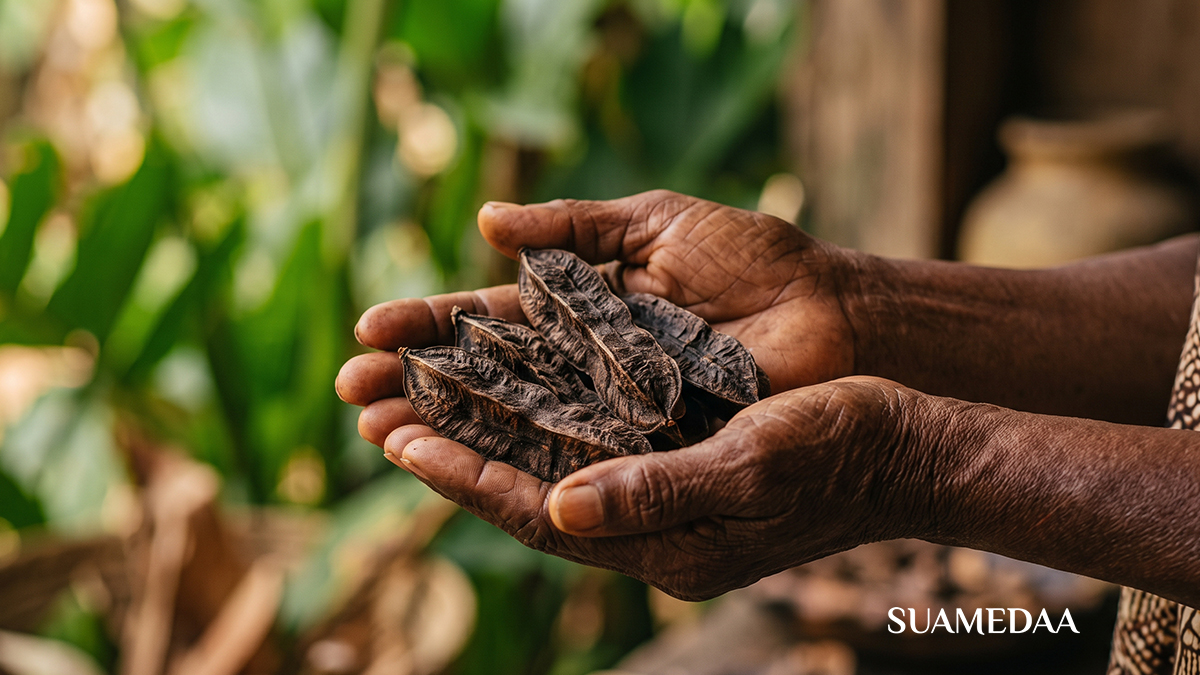
As a culinary spice, pieces of the dried fruit are added whole or broken to soups, particularly palm nut soup and other broth-based dishes, during cooking. The fruit imparts its distinctive aroma and flavour to the dish and contributes its bioactive compounds to the cooking liquid. It is removed before serving in most preparations. This culinary use represents the most consistent and historically significant form of exposure to Aidan fruit’s bioactive compounds across West African populations.

As a medicinal decoction, the fruit is boiled in water for a sustained period, often with other medicinal plants, to produce a concentrated liquid drunk for specific health purposes: blood pressure management, postpartum recovery, fever, convulsions, or digestive complaints. The concentration of bioactive compounds in a decoction is higher than in a culinary preparation, making the decoction more suitable for therapeutic intent.
As a postpartum drink, Aidan fruit is standard in the pepper soup prepared for new mothers in Yoruba tradition and the nkate kwan palm nut soup central to Ghanaian postpartum care. The combination of the fruit’s nutrient replenishment, uterine support, antimicrobial, and anti-inflammatory properties makes it a genuinely multi-beneficial food for the postpartum period.
As a commercial beverage, the Natu Prekese drink produced in Ghana uses a concentrated extraction of Tetrapleura tetraptera as its base, offering a ready-to-drink form that makes the fruit’s bioactive compounds accessible without requiring the preparation of a traditional soup or decoction.
Cautions and Considerations
Aidan fruit is generally consumed safely as a culinary spice and traditional medicine by large populations across West Africa, and its long history of use at culinary and decoction quantities provides a reasonable safety baseline for most healthy adults.
Pregnancy is the primary caution. The traditional use of Aidan fruit for uterine contraction in the postpartum period implies that the same compounds could stimulate uterine activity during pregnancy, potentially posing a risk of premature labour or miscarriage. Pregnant women are traditionally advised to avoid consuming Aidan fruit in medicinal quantities, though culinary use in typical cooking amounts may be different in practical terms. The specific risk depends on dose, stage of pregnancy, and individual sensitivity, and medical consultation is recommended.
People with low blood pressure or on antihypertensive medication should be aware that the blood-pressure-lowering effects of Aidan fruit may compound the effects of their medication. Regular consumption at medicinal quantities warrants a conversation with a healthcare provider in this population.
As with all herbal medicines, the dose and preparation method significantly affect both efficacy and safety. Culinary use in soups at traditional quantities is very different from concentrated decoctions taken at therapeutic doses. The available evidence base for Aidan fruit’s benefits comes primarily from in vitro studies and animal models, with human clinical trials remaining limited. The traditional evidence accumulated over centuries of use across large populations is meaningful and deserves respect, but it is distinct from the level of evidence that formal clinical trials would provide.
The Tree That Gives in All Directions
What makes Aidan fruit remarkable, even among the remarkable array of medicinally active plants that West Africa has contributed to global botanical knowledge, is the breadth and integration of its properties. It is not a plant with one specific active compound that does one specific thing. It is a biological system of extraordinary complexity: dozens of phytochemicals working individually and synergistically to produce anti-inflammatory, antioxidant, antihypertensive, antidiabetic, antimicrobial, anticonvulsant, antimalarial, and immune-modulating effects simultaneously, delivered in a form that is also, incidentally, a delicious spice that perfumes a pot of soup.
The communities of West Africa who built Aidan fruit into their cuisine, their postpartum traditions, their epilepsy management, their fever remedies, and their everyday cooking did not require clinical trials to observe that the people who ate it regularly seemed to fare better across a range of health dimensions. They observed, accumulated knowledge, and transmitted it across generations with a fidelity that science is now, with increasing confidence, confirming was well-founded.
The 2024 Heliyon comprehensive review by Mensah, Adusei, Azupio, and Kwakye, Ghanaian researchers documenting the properties of a Ghanaian fruit, represents exactly the kind of scientific validation that traditional knowledge deserves. Not to replace traditional wisdom but to understand it deeply enough to extend its benefits further, to refine its applications, and to make its value legible to the wider world.
Aidan fruit belongs in every West African kitchen. Its aroma in a pot of palm nut soup is itself a kind of medicine, a reminder that the most profound health interventions are often not the most complicated, and that the wisdom of a culture is sometimes most clearly visible in what it chose to put in the pot.
The benefits covered in full:
- Anti-inflammatory activity: mechanisms, ScienceDirect studies, TNF-alpha and interleukin-6 suppression
- Blood pressure and cardiovascular health: nitric oxide pathway, Kuate et al. polyphenol-rich extract research
- Blood sugar management: enzyme inhibition, insulin synthesis, beta cell protection
- Antioxidant and free radical scavenging
- Antimicrobial and antibacterial: Staphylococcus aureus, anti-uropathogenic research
- Anticonvulsant and neurological effects: the traditional epilepsy application and its pharmacological basis
- Antimalarial activity: antiplasmodial research, Plasmodium falciparum inhibition
- Postpartum care: the 2025 Journal of Complementary and Alternative Medical Research study on hormones
- Immune system support
- Digestive health
- Asthma and respiratory support
- Cancer prevention potential: antiproliferative, anti-angiogenic, and antioxidant mechanisms
- Natural insect repellent
How it is used – culinary spice, medicinal decoction, postpartum soup, and commercial Natu Prekese drink.
Cautions – pregnancy, blood pressure medication interactions, and an honest assessment of where human clinical trial evidence still needs to grow.