The Benefits of Cocoa Tea
Cocoa tea is one of those drinks that needs no advocacy on the grounds of taste. Warm, slightly bitter, earthy, and deeply satisfying in the way that few beverages are, a well-brewed cup of cocoa tea has been a morning ritual and an evening comfort in communities across West Africa, the Caribbean, Central America, and South America for centuries. In Ghana, Nigeria, Trinidad, Jamaica, and across the cocoa-growing belt of the world, it is far more than a drink. It is a tradition carried in the hands of grandmothers, brewed in clay pots, stirred with wooden spoons, and passed to children who grow up understanding instinctively that cocoa is nourishment as much as pleasure.
What those communities have known by experience for generations, modern science is now confirming with a growing body of research: cocoa tea is not just comforting. It is genuinely, measurably good for you. The compounds responsible for its characteristic flavour and colour are among the most studied bioactive compounds in nutritional science, and the findings that have emerged from that research over the past two decades represent some of the most compelling evidence in the field for a single plant-based food or drink.
This article covers the complete picture of cocoa tea’s health benefits, grounded in the most current research available, and explains the chemistry, the evidence, and the practical guidance a daily drinker needs.



What Cocoa Tea Is and How It Differs from Hot Chocolate
Before exploring the benefits, it is worth being clear about what cocoa tea actually is, because it is meaningfully different from the hot chocolate most people grew up with.
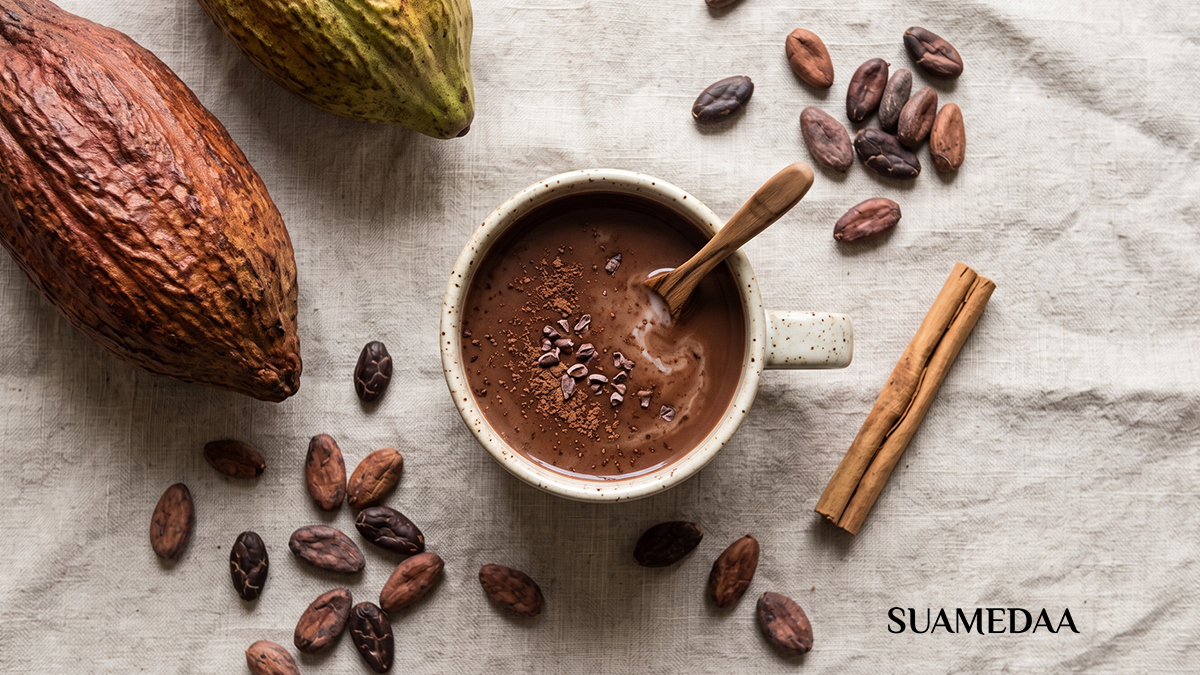
Cocoa tea is made from pure, minimally processed cocoa: either roasted cocoa beans ground into a paste or nibs, raw cacao powder, or in many West African and Caribbean traditions, a ball of dried, fermented cocoa paste dissolved in hot water or hot milk. It contains no added sugar, no dairy milk solids, and no emulsifiers or thickeners. It is the closest thing to drinking the cocoa plant itself.
Hot chocolate, by contrast, is typically made from cocoa powder that has been heavily processed, often Dutch-processed with an alkalizing agent that neutralises acidity and darkens colour but simultaneously destroys a significant proportion of the flavanols responsible for cocoa’s health benefits. It is then combined with large quantities of added sugar and milk solids to produce a sweet, smooth beverage that bears little nutritional resemblance to cocoa in its natural state.
This distinction matters enormously when interpreting research on cocoa’s health benefits. The benefits discussed in this article apply to minimally processed, high-flavanol cocoa used in cocoa tea, not to commercial hot chocolate mixes or sweetened cocoa drinks. When you choose a cup of properly prepared cocoa tea over a packet of instant hot chocolate, you are choosing a fundamentally different product.
The Compounds That Make It Work
Cocoa tea’s health benefits come from an exceptionally rich concentration of bioactive compounds, making it one of the most phytochemically dense beverages available.



Flavanols are the primary active compounds of interest. These are a subclass of flavonoids, which are themselves part of the broader polyphenol family. The main flavanols in cocoa are epicatechin, catechin, and procyanidins. Research has confirmed that cocoa has more phenolic phytochemicals and a higher antioxidant capacity than tea and red wine, making it an exceptional dietary source of these compounds. The flavanol content of a given cocoa product depends critically on processing: fermentation, roasting, and alkalisation all reduce flavanol levels, which is why minimally processed cocoa used in traditional cocoa tea preparations retains more of these compounds than heavily industrialised products.
Theobromine is a methylxanthine compound related to caffeine but with a gentler stimulant profile. Unlike caffeine, which acts quickly and can cause jitteriness and a sharp energy crash, theobromine produces a slower, more sustained stimulation of the central nervous system, alongside bronchodilation, smooth muscle relaxation, and a mild diuretic effect. Cocoa tea contains roughly ten times more theobromine than caffeine, which is why it produces a calm, alert energy rather than the sharp spike and crash associated with coffee.
Theophylline, present in smaller amounts, has bronchodilatory properties that are well established in respiratory medicine.
Phenylethylamine, sometimes described as the brain’s own love chemical, is present in cocoa and is thought to contribute to the mood-elevating effects that cocoa consumers report, though its bioavailability when consumed orally is limited by rapid metabolism.
Magnesium, iron, zinc, potassium, and manganese are among the minerals present in meaningful quantities in cocoa, particularly in minimally processed forms. Magnesium is of particular note: deficiency in magnesium is widespread globally and is associated with muscle cramps, anxiety, poor sleep, and cardiovascular risk, and cocoa is one of the richest dietary sources of this mineral available.



A Powerhouse of Antioxidants
Antioxidants protect cells from the oxidative damage caused by free radicals: unstable molecules generated by normal metabolic processes, environmental pollution, ultraviolet radiation, stress, and the consumption of certain foods. Accumulated oxidative damage is a primary driver of cellular ageing, chronic inflammation, and the development of degenerative diseases including cancer, cardiovascular disease, and neurological decline.
Cocoa is one of the richest sources of antioxidants in the entire human diet. Its antioxidant capacity, measured by standard laboratory assays, consistently exceeds that of green tea, red wine, blueberries, and most other foods celebrated for their antioxidant content. A 2025 review of cocoa research confirmed that regular consumption of cocoa is linked to reduced oxidative stress, which translates into meaningful protection against cellular ageing and chronic disease development across multiple body systems.
The flavanols in cocoa have been shown to neutralise free radicals directly and to upregulate the body’s own internal antioxidant enzyme systems, including superoxide dismutase and catalase, meaning that cocoa consumption does not just supplement the body’s antioxidant defences from the outside but actually stimulates and strengthens them from within.
For a daily tea consumed with minimal preparation, the antioxidant return on investment is extraordinary.
Heart Health: One of the Most Documented Benefits
The cardiovascular benefits of cocoa flavanols represent the most extensively researched area in the entire field of cocoa science. The evidence base is large, spans decades, and includes randomised controlled trials in human populations, making it among the strongest evidence available for any dietary intervention and cardiovascular health.
Blood Pressure Reduction
Research published in the American Journal of Clinical Nutrition found that regular consumption of flavanol-rich cocoa leads to small but significant reductions in both systolic and diastolic blood pressure. The mechanism is well understood: cocoa flavanols, particularly epicatechin, stimulate the production of nitric oxide in the lining of blood vessels. Nitric oxide causes the smooth muscle in vessel walls to relax, widening the vessels and reducing the pressure required to push blood through them. This vasodilatory effect is measurable, reproducible across multiple studies, and clinically meaningful: even modest reductions in blood pressure translate into significantly reduced risk of stroke and heart attack at the population level.
A large observational study that provided participants with flavanol-rich cocoa found a moderate drop in systolic blood pressure compared to a control group receiving low-flavanol cocoa, confirming that the effect is attributable specifically to the flavanol content rather than other components of the drink.
Improved Vascular Function
Beyond blood pressure, cocoa flavanols improve the function of blood vessel endothelium, the single-cell-thick lining of the blood vessels that plays a central role in regulating blood flow, preventing clotting, and maintaining vascular health. Research published in the Proceedings of the National Academy of Sciences demonstrated that epicatechin, the primary cocoa flavanol, directly improves endothelial function, enhancing the vessels’ ability to dilate and respond to the body’s changing demands.
A 2024 study from the University of Birmingham, published in the journal Food and Function, found that drinking flavanol-rich cocoa in combination with a fatty meal could counteract the negative impact of the fatty food on vascular function, even during periods of psychological stress. The researchers noted that high-fat foods combined with stress can significantly impair blood vessel elasticity and oxygen delivery to the brain, but that the flavanol-rich cocoa drink effectively prevented this decline. As the lead researcher commented, for those who tend to reach for high-fat comfort food during stressful periods, incorporating cocoa tea into that moment could make a meaningful protective difference.
A November 2025 study published in the Journal of Physiology extended these findings by demonstrating that high-flavanol cocoa and tea can protect heart and vascular function even from the cardiovascular damage caused by prolonged sitting, a growing health concern in sedentary modern lifestyles. Even physically fit men showed vascular decline after extended sitting unless they had consumed high-flavanol foods.
Cholesterol and Lipid Profile
Cocoa flavanols have been shown to modestly raise HDL cholesterol, commonly called good cholesterol, and to reduce the oxidation of LDL cholesterol, a process that is a key step in the formation of arterial plaques. Oxidised LDL is significantly more likely to be deposited in artery walls than unoxidised LDL, so preventing its oxidation reduces the risk of atherosclerosis even when total LDL levels are not substantially changed. Some studies also suggest that cocoa can thin the blood in a manner similar to aspirin, reducing the tendency of platelets to clump together and form clots, which contributes to reduced heart attack and stroke risk.
Brain Health and Cognitive Function
The connection between cocoa flavanols and brain health has become one of the most exciting areas of current nutritional research, with human trial data now supporting what animal studies suggested for years.
Flavanols act on the brain through two main pathways. The first involves direct interaction with cellular signalling cascades that promote the production of neuroprotective proteins, stimulate neurogenesis (the growth of new neurons, particularly in the hippocampus, the brain’s primary memory centre), and enhance connectivity between brain regions. The second pathway operates through improved cerebral blood flow: the same vasodilatory effect that benefits the cardiovascular system also increases blood flow to the brain, delivering more oxygen and glucose to neural tissue.
A 2023 randomised controlled trial published in the Proceedings of the National Academy of Sciences found that dietary flavanols, including those from cocoa, restored hippocampal-dependent memory in older adults who had lower diet quality and lower habitual flavanol consumption. The improvement was specific to the type of memory associated with the hippocampus, the brain region most vulnerable to age-related decline, and was achieved not through medication but through dietary flavanol supplementation over 20 weeks.
A large-scale trial at Columbia University in New York, conducted in 211 healthy adults aged 50 to 75, found that increasing flavanol intake improved performance on list-learning memory tasks. The researchers concluded that diet quality and dietary flavanols may be linked to age-related memory function and could play an important role in slowing cognitive decline associated with normal ageing.
A 2025 study published in the journal Psychopharmacology, conducted at Ritsumeikan University in Japan, found that a single intake of flavanol-rich cocoa improved reaction time and inhibitory executive function in men experiencing cognitive fatigue during aerobic exercise, suggesting that cocoa flavanols can provide meaningful cognitive support even under demanding conditions.
Research published in December 2025 in Current Research in Food Science confirmed that cocoa flavanols activate the brain’s locus coeruleus noradrenergic system, a network central to regulating arousal, attention, and memory consolidation. This provides a specific neurological mechanism for the alertness and focus that cocoa tea drinkers frequently report.
For a drink with no pharmaceutical side effects, the cognitive evidence for cocoa tea is remarkable. It is not a treatment for dementia or cognitive impairment. But as a daily dietary habit that supports vascular function in the brain, promotes neurogenesis in the hippocampus, and enhances alertness and memory consolidation through a specific neurological pathway, it represents one of the most evidence-based brain-supporting beverages available.
Anti-Inflammatory and Anti-Ageing Effects
Chronic low-grade inflammation that worsens with age, a process researchers now call inflammaging, is increasingly understood as a central driver of the cluster of age-related diseases that reduce quality and length of life: cardiovascular disease, type 2 diabetes, Alzheimer’s disease, certain cancers, and chronic pain conditions.
A major 2025 study from Brigham and Women’s Hospital, published following the large-scale COSMOS trial, found that daily cocoa extract supplementation over two years significantly reduced key inflammatory biomarkers, including high-sensitivity C-reactive protein, in healthy adults aged 60 and over. The researchers concluded that cocoa extract reduced inflammaging, with the lead researcher stating that the data suggests multi-year cocoa extract supplementation can meaningfully modulate the inflammatory processes that accelerate ageing. A cocoa extract supplement is not the same as a daily cup of cocoa tea, and the doses used in trials are often higher than what a cup of tea delivers. But the direction of the evidence is consistent and compelling: regular cocoa consumption reduces the inflammatory burden that drives ageing.
The specific anti-inflammatory mechanism involves several of the flavanols in cocoa. Epicatechin raises nitric oxide levels and lowers C-reactive protein, a key marker of systemic inflammation. Procyanidin B2 blocks interleukin-1 beta, one of the primary pro-inflammatory signalling molecules. Catechin scavenges free radicals. Together they produce an anti-inflammatory profile that is both broad and well-characterised at the molecular level.
Gut Health and the Microbiome
The gut microbiome, the vast community of microorganisms living in the digestive tract, is now understood to influence everything from immune function and mental health to metabolic rate and cardiovascular risk. Research from multiple studies has found that cocoa polyphenols act as prebiotics, selectively feeding beneficial bacteria including Bifidobacterium and Lactobacillus species while reducing the populations of potentially harmful bacteria.
When gut bacteria metabolise cocoa polyphenols, they produce anti-inflammatory metabolites including valerolactones and other short-chain fatty acids that have beneficial effects throughout the body, including reduced intestinal inflammation, improved gut barrier integrity, and systemic anti-inflammatory effects that extend well beyond the gut itself.
Research published in WholeFoods Magazine in August 2025, summarising the current state of cocoa and gut microbiome science, concluded that high-flavanol cocoa consumption is linked to improved gut integrity, reduced gut inflammation, and meaningful improvements in mood and metabolism, all mediated through the gut microbiome. The theobromine and fibre naturally present in minimally processed cocoa add to this microbiome-friendly profile.
This gut-brain connection partially explains why cocoa tea drinkers so consistently report improvements in mood: the beneficial effects on the gut microbiome influence the production of neurotransmitters including serotonin and dopamine, a significant proportion of which are produced in the gut rather than the brain.
Mood and Mental Wellbeing
The mood-lifting properties of cocoa have been documented anecdotally for centuries and are now supported by both mechanistic and clinical evidence. Beyond the gut-brain connection described above, cocoa influences mood through several additional pathways.
Theobromine produces a calm, sustained stimulation of the nervous system without the jitteriness or subsequent crash associated with caffeine. Many people describe the effect of cocoa tea as a gentle lift: alertness without anxiety, energy without agitation.
Research has confirmed that cocoa flavanols improve cerebral blood flow, delivering more oxygen to the brain, which has a measurable effect on mental fatigue and subjective feelings of energy. A randomised controlled trial found that acute cocoa consumption significantly improved self-reported mental fatigue alongside performance on cognitive tasks, suggesting the mood and energy benefit of cocoa tea is real and relatively rapid in onset.
Magnesium, which is present in significant quantities in minimally processed cocoa, plays a well-established role in regulating the nervous system and reducing anxiety. Magnesium deficiency is associated with elevated cortisol, disrupted sleep, and increased anxiety, and supplementing magnesium in deficient individuals reliably reduces these symptoms. A daily cup of cocoa tea made from high-quality, minimally processed cocoa delivers a meaningful contribution to daily magnesium intake.
Blood Sugar and Metabolic Health
Despite cocoa being associated in the popular imagination with sugar-laden chocolate products, cocoa itself has a demonstrably beneficial effect on blood sugar regulation and insulin sensitivity.
A 2024 review published in ScienceDirect, examining cocoa flavonoids and metabolic syndrome, concluded that cocoa flavonoids exert a positive influence on glucose homeostasis, lipid metabolism, and cardiovascular health, making them promising compounds in the prevention and management of metabolic syndrome-related disorders including hypertension, dyslipidaemia, and insulin resistance.
Cocoa flavanols improve insulin sensitivity by reducing oxidative stress and inflammation in the cells of the liver and skeletal muscle, the primary sites of insulin-mediated glucose uptake. They also inhibit certain enzymes responsible for breaking down dietary carbohydrates into glucose, which moderates the post-meal blood sugar spike that follows carbohydrate-containing meals.
These effects are relevant not just for people with diabetes or prediabetes but for anyone interested in maintaining stable energy levels throughout the day, since blood sugar stability underpins sustained focus, consistent mood, and reduced cravings.
Respiratory Support
Cocoa contains two compounds with well-documented bronchodilatory properties: theobromine and theophylline. Theophylline has been used as a pharmaceutical bronchodilator in the management of asthma and chronic obstructive pulmonary disease. Theobromine, while less potent, acts on the airways in a similar way, relaxing the smooth muscle of the bronchi and facilitating easier breathing.
Research has suggested that theobromine may be particularly effective as a cough suppressant, acting on the vagus nerve to reduce the cough reflex, with studies indicating it may be more effective for persistent cough than standard over-the-counter preparations. In traditional medicine across the Caribbean and West Africa, cocoa tea has long been used as a remedy for chest colds and respiratory congestion, a use that is now better understood in light of these mechanisms.
How to Make Cocoa Tea Properly
The method of preparation has a significant impact on the flavanol content and therefore the health value of the drink. The key principle is minimal processing and no alkalisation.
Use raw cacao powder rather than Dutch-processed cocoa powder if flavanol content is the priority. Dutch-processed cocoa has been alkalised to neutralise its natural acidity, producing a darker, milder-tasting product, but this process destroys a significant proportion of the flavanols. Natural, non-alkalized cocoa powder or raw cacao retains substantially more of the beneficial compounds.
For the most traditional preparation, particularly common in Ghana and the Caribbean, use a cocoa ball or paste: dried, fermented, roasted cocoa ground into a thick paste and sold in solid form. Break off a portion, dissolve in hot water by whisking or stirring, and add spice to taste.
Basic cocoa tea
Add one to two teaspoons of natural cocoa powder or raw cacao to a cup of hot water just off the boil. Whisk or stir vigorously until fully dissolved. Add a small amount of honey, a pinch of cinnamon, and optionally a small piece of fresh ginger. Drink without added sugar where possible, since excess sugar reduces the net health benefit of the drink.
Spiced cocoa tea
Common across West Africa and the Caribbean, this version adds nutmeg, cinnamon, and bay leaf to the brewing water before adding the cocoa. The result is a warming, aromatic drink with a depth that plain cocoa tea does not quite achieve.
Cocoa with plant milk
For those who prefer a creamier texture, a small amount of unsweetened oat milk, almond milk, or coconut milk can be added without significantly reducing the flavanol availability.
Drink cocoa tea unsweetened or lightly sweetened. The flavour of well-made cocoa tea from quality cocoa is complex and satisfying without the addition of sugar, and reducing sugar intake maximises the metabolic and cardiovascular benefits of the drink.

How Much and How Often
The optimal daily intake of cocoa flavanols for health benefit, based on available research, is roughly 200 to 400 milligrams per day, though higher intakes have been used safely in many studies. A cup of cocoa tea made with two teaspoons of minimally processed natural cocoa powder delivers approximately 100 to 200 milligrams of flavanols depending on the quality and processing of the cocoa used. Two cups daily of well-made cocoa tea from quality cocoa therefore sits comfortably within the evidence-supported range.
For most healthy adults, one to two cups of cocoa tea per day is an appropriate and well-tolerated daily habit. It can be consumed in the morning as an alternative to coffee, given its theobromine-mediated gentle stimulation, or in the early evening as a warming, relaxing drink, given that its caffeine content is low enough not to disrupt sleep.
Cautions and Considerations
Cocoa tea is well tolerated by the vast majority of healthy adults when consumed in reasonable amounts. A few considerations are worth noting.
Caffeine sensitivity: cocoa tea contains a small amount of caffeine alongside its much larger theobromine content. Those with significant caffeine sensitivity may wish to consume it earlier in the day or to limit intake to one cup.
Oxalate content: cocoa is moderately high in oxalates, compounds that can contribute to kidney stone formation in susceptible individuals. Those with a history of calcium oxalate kidney stones should moderate their intake and discuss it with a healthcare provider.
Theobromine in large quantities: while theobromine is safe for humans in the amounts delivered by normal cocoa consumption, very large quantities, far exceeding what any reasonable daily cocoa tea intake would provide, can cause nausea, headache, and rapid heartbeat. Normal consumption of one to two cups daily poses no concern.
Migraines: cocoa contains tyramine, a compound that can trigger migraines in sensitive individuals. Those with a history of chocolate-triggered migraines may find that cocoa tea provokes the same response and should approach it cautiously.
Added sugar: the health benefits of cocoa tea apply to the cocoa itself, not to sweetened versions. Consuming cocoa tea with large amounts of added sugar offsets many of the metabolic and cardiovascular benefits. Use honey sparingly or not at all, and allow the natural flavour of well-prepared cocoa to speak for itself.
As with all dietary choices, those with existing health conditions or on medication should discuss their cocoa tea habit with a healthcare provider, particularly if they are on blood thinners, antihypertensives, or medications for metabolic conditions.
A Tradition Backed by Science
There is something quietly affirming about the research on cocoa tea. The communities that have brewed it for generations in Ghana, Nigeria, Trinidad, Jamaica, and across the cocoa-growing world did not have access to randomised controlled trials or flavanol assays. They had observation, experience, and the accumulated wisdom of generations who noticed what cocoa did for the people who drank it regularly. They knew it lifted the spirits, settled the stomach, cleared the chest, and provided a sustaining warmth that carried people through the morning.
Science has spent two decades catching up to what those communities already knew, and the findings confirm not just the tradition but the mechanism: the flavanols, the theobromine, the minerals, the polyphenols all doing precisely what centuries of daily use suggested they were doing.
The best cocoa tea is made with the least processed cocoa you can find, with minimal sugar, and with the patience to let the water heat slowly and the cocoa dissolve fully. It takes five minutes to prepare. It delivers benefits that accumulate quietly, consistently, and compellingly over years of daily use. Brew it. Drink it. The science is on your side.