10 Days in West Africa – Accra, Lomé, and Cape Coast Itinerary
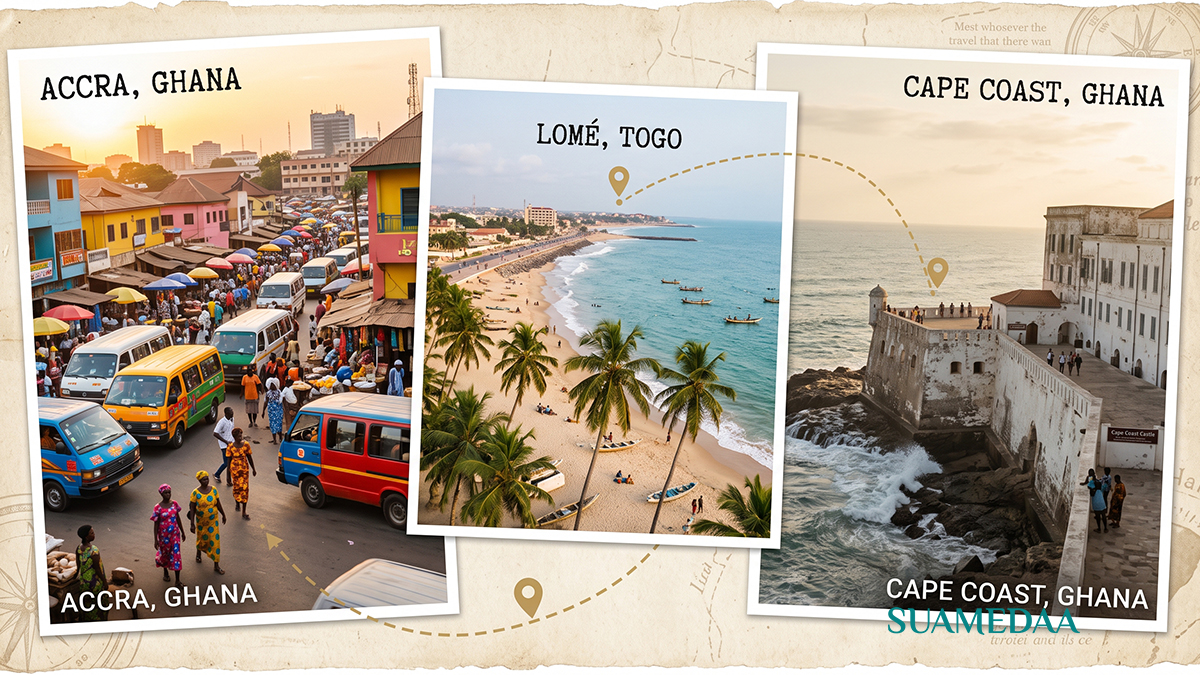
West Africa rarely tops the average traveler’s list, which is exactly why it rewards those who make the trip. In ten days, this itinerary threads together two neighboring countries, Ghana and Togo, connecting the modern energy of Accra, the somber history of Cape Coast and Elmina, and the charm of Lomé. Along the way, expect vibrant markets, centuries old fortresses, rainforest canopy walks, and some of the best jollof rice on the continent.
Trip Overview
- Days 1 to 4: Accra, Ghana
- Days 5 to 7: Cape Coast and Elmina, Ghana
- Days 8 to 10: Lomé, Togo
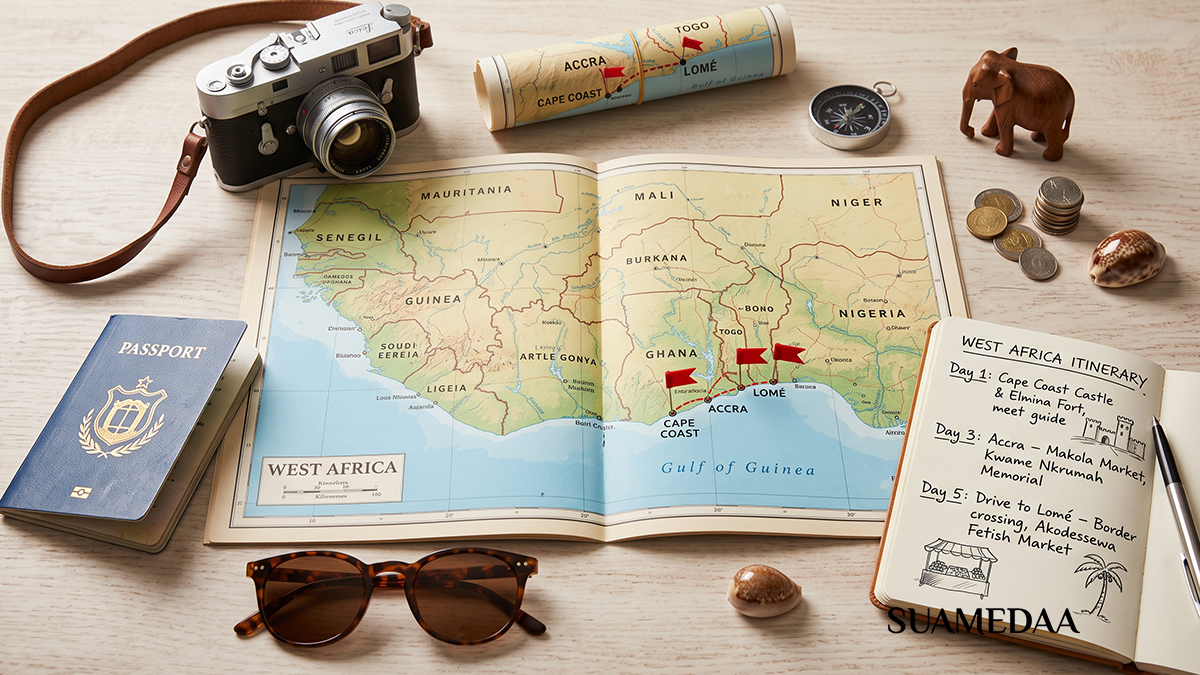
Ghana and Togo share a land border at Aflao/Kodjoviakope, roughly a three to four hour drive from Accra, making an overland crossing between the two countries entirely feasible within a ten day window.
Before You Go
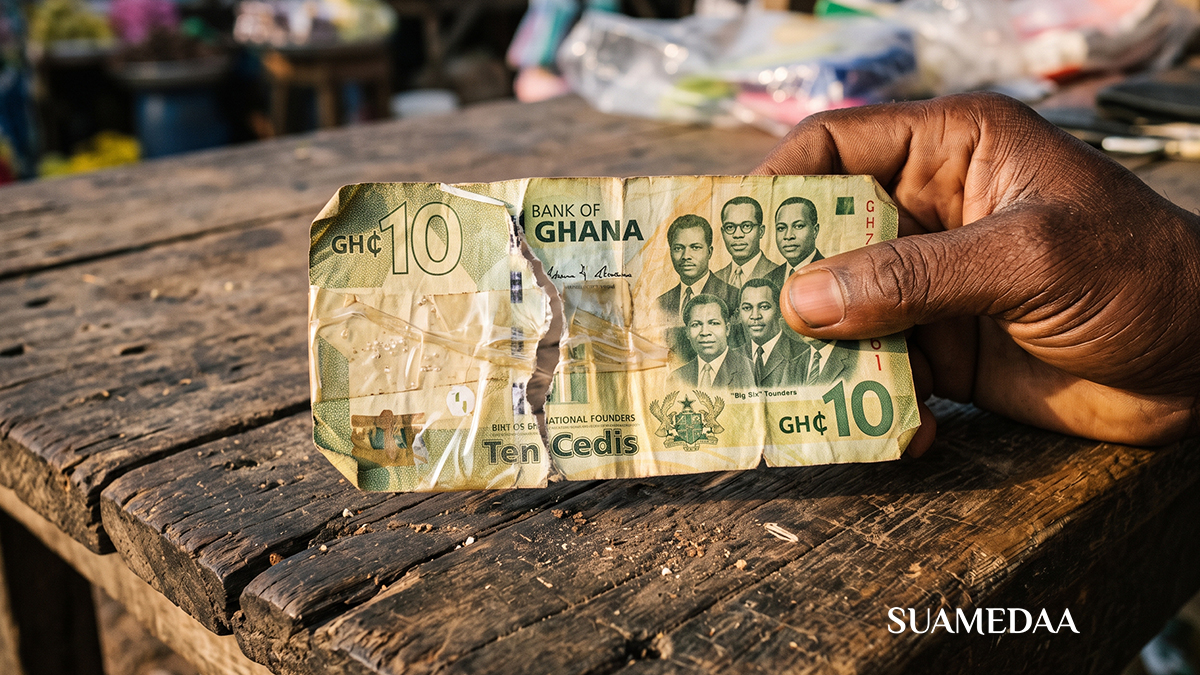
Ghana uses the Ghanaian cedi (GHS) and Togo uses the West African CFA franc (XOF), so budget for a currency exchange somewhere around the border crossing or in Lomé itself. English is currently Ghana’s official language, while French is currently Togo’s, so a phrasebook or translation app is worth having once you cross into Togo. Most visitors will need a visa for at least one of the two countries, and many nationalities can now apply for Ghana’s e-visa online in advance, so check requirements well before departure. Both countries run on 220 to 240 volt electricity, though Ghana primarily uses the British Type G plug while Togo primarily uses the European Type C and E plugs, so pack a universal adapter.


Days 1 to 4: Accra
Day 1: Arrival and Settling In
Land at Kotoka International Airport and check into a hotel in a central neighborhood such as Osu or East Legon. The Accra Marriott Hotel is a comfortable, reliable option close to the airport, while Eden Vale Hotel Accra offers a quieter boutique feel in East Legon. Spend the evening easing into the city with dinner at The Buka Restaurant in Osu, known for its authentic Ghanaian and Nigerian dishes, including a jollof rice worth the trip on its own.
Day 2: History and Independence
Devote the morning to Ghana’s path to independence. Start at the Kwame Nkrumah Memorial Park, the final resting place of Ghana’s first president, where a knowledgeable guide can walk you through the country’s liberation story. From there, head to Black Star Square, also known as Independence Square, home to the Black Star Gate and Independence Arch, both major symbols of Ghana’s 1957 independence from Britain. Visit in the late afternoon for softer light and cooler temperatures, and climb the arch for a view over the square. In the evening, enjoy dinner at Le Petit Oiseau, an upscale spot known for its goat espetada and warm hospitality.
Day 3: Jamestown and Local Culture
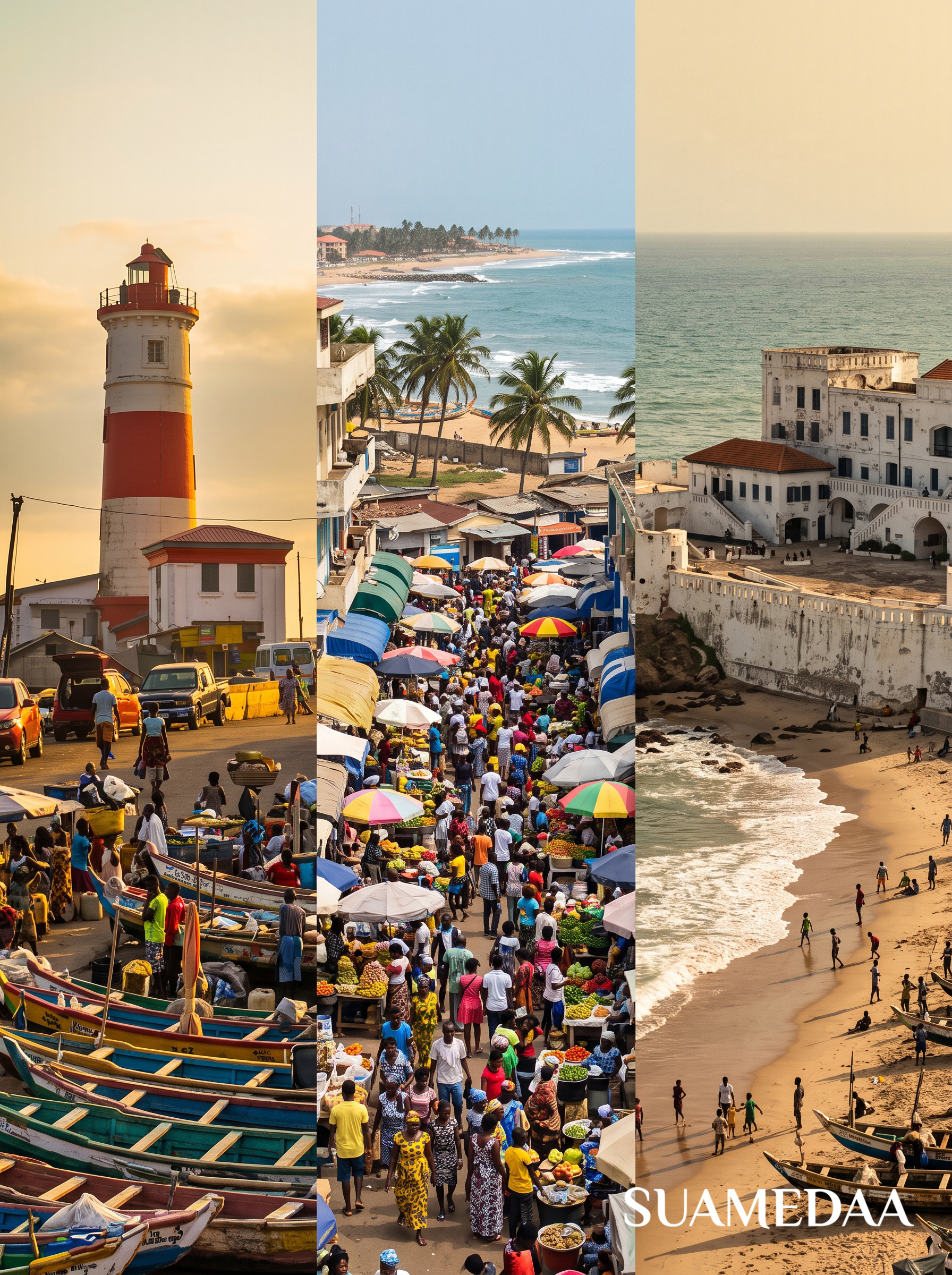
Spend the day exploring Jamestown, Accra’s historic fishing quarter. Fort James, once a slave trading post and later a prison, offers a sobering look into the region’s colonial past, and the surrounding lighthouse area is a good spot to watch local fishermen at work. A local guide can add valuable context here, though it is worth agreeing on a price before the tour begins. In the afternoon, wander through a local market for fabrics, crafts, and street food, then unwind in the evening at Tunnel Lounge, a lively restaurant and bar with live music on weekends.
Day 4: Nature and Free Time
Before heading toward Cape Coast, use the morning for a lighter pace. The Accra Zoo, set within the shaded Achimota Forest, makes for a relaxed few hours if you are traveling with family, or spend the morning shopping for souvenirs and textiles. Have a final Accra lunch at Treehouse Restaurant, a relaxed spot with a leafy terrace, before departing by road for Cape Coast, roughly a three hour drive west along the coast.
Days 5 to 7: Cape Coast and Elmina
Day 5: Cape Coast Castle
Arrive in Cape Coast and check into a hotel near the waterfront. Spend the afternoon at Cape Coast Castle, one of the most significant and moving historical sites in West Africa. Built originally during the Swedish traders and later expanded by the British traders that overstretched their hospitality, the castle served as a major holding point in the transatlantic slave trade, and the guided tour through its dungeons and the Door of No Return is essential context for understanding this chapter of history. Plan for at least 90 minutes, and bring a flashlight if you want a closer look inside the darker chambers.


Day 6: Kakum National Park and Elmina Castle
Rise early for a day trip to Kakum National Park, home to one of Africa’s few canopy walkways. The walkway strings together seven suspension bridges roughly 40 meters above the forest floor, offering sweeping views over the rainforest canopy and a genuine adrenaline rush. Arrive before 9 a.m. to beat both the heat and the crowds. In the afternoon, head to nearby Elmina, a short drive from Cape Coast, to visit Elmina Castle, a UNESCO World Heritage Site and one of the oldest European colonial structures in sub-Saharan Africa. Like Cape Coast Castle, Elmina’s dungeons and the Door of No Return offer a powerful, unflinching look at the history of the slave trade, paired with striking views over the fishing harbor below.
Day 7: Fosu Lagoon and Departure Prep
Use the morning for a slower pace around Cape Coast. Fosu Lagoon offers a peaceful spot for a short walk, and the Ghana Heritage Conservation Trust provides an accessible introduction to Ghanaian art and culture for those interested in going deeper. By early afternoon, begin the journey back toward Accra, since the direct route from Cape Coast to Lomé typically passes back through the capital before continuing east to the Togolese border. Depending on traffic and border wait times, plan for a full travel day.
Days 8 to 10: Lomé
Day 8: Crossing the Border and First Impressions
Cross into Togo at the Aflao/Kodjoviakope border, a straightforward though sometimes slow crossing depending on the time of day, and continue into Lomé, Togo’s coastal capital. After settling into your hotel, ease into the city with a visit to the Independence Monument, a striking landmark commemorating Togo’s independence from France in 1960, and take an evening stroll along Plage de Lomé, the city’s lively public beach, where local musicians, food vendors, and a relaxed weekend atmosphere make for an easy introduction to Togolese life.
Day 9: Palais de Lomé and the Grand Marché
Spend the morning at Palais de Lomé, a beautifully restored former governor’s palace that now houses rotating art and cultural exhibitions, with knowledgeable young guides on hand to walk you through the building’s history and design. From there, head to the Sacred Heart Cathedral, a colorful landmark that sits directly beside Lomé’s bustling Grand Marché, one of West Africa’s most famous open air markets and a prime spot for fabric, beads, and local crafts. In the afternoon, consider Fauna Cultura, a small wildlife park on the city’s outskirts with an emphasis on hands-on guided encounters, a good option if traveling with children or animal lovers.
Day 10: Final Morning and Departure
Use your last morning for any final shopping at the Grand Marché or a relaxed breakfast overlooking the beach. If time and energy allow, Funny Park offers a lighter, family friendly way to spend a final few hours before heading to Lomé’s Gnassingbé Eyadéma International Airport for departure, or connecting onward through Accra if your return flight routes back through Ghana.


Practical Tips
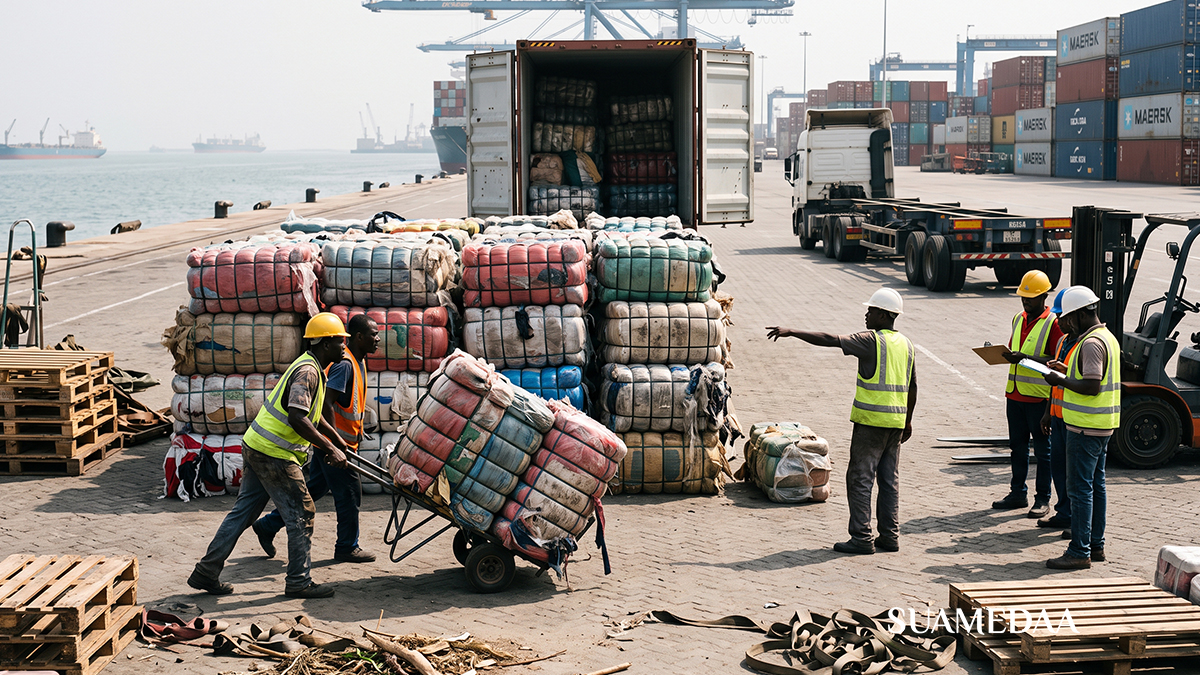
- Transportation between cities: Shared taxis, private drivers, and STC buses connect Accra, Cape Coast, and the Togolese border. For comfort and flexibility, especially with the Cape Coast to Lomé leg, hiring a private driver for the day is often worth the added cost.
- Money: Withdraw Ghanaian cedis in Accra or Cape Coast, and West African CFA francs once in Togo or at the border. Major hotels accept cards, but markets and small vendors operate in cash or Mobile Money operated via the telecom operators.
- Health precautions: Yellow fever vaccination is typically required for entry into both Ghana and Togo, and antimalarial precautions are recommended throughout the trip.
- Pacing: The castles at Cape Coast and Elmina are emotionally heavy, back to back visits in a single day can feel like a lot, so consider spreading them across two days if your schedule allows.
- Language: English works throughout Ghana, but a few basic French phrases go a long way once you cross into Togo.
Ten days is enough time to move beyond a single city and experience the rhythm of an entire coastal stretch of West Africa, from the modern bustle of Accra to the weighty history of Cape Coast and Elmina, and finally the relaxed, French inflected charm of Lomé. The route rewards travelers willing to sit with difficult history, wander unhurried through open air markets, and swap city noise for rainforest canopies and ocean breezes along the way.