Beach, Bush, or Both – Combining Safari and Seaside in One Trip
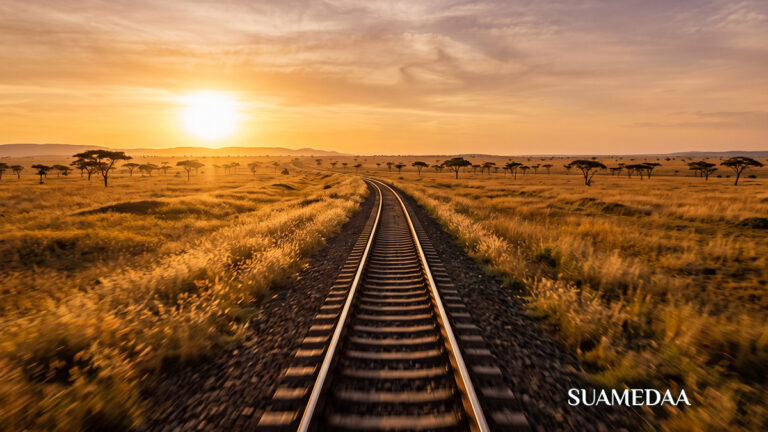
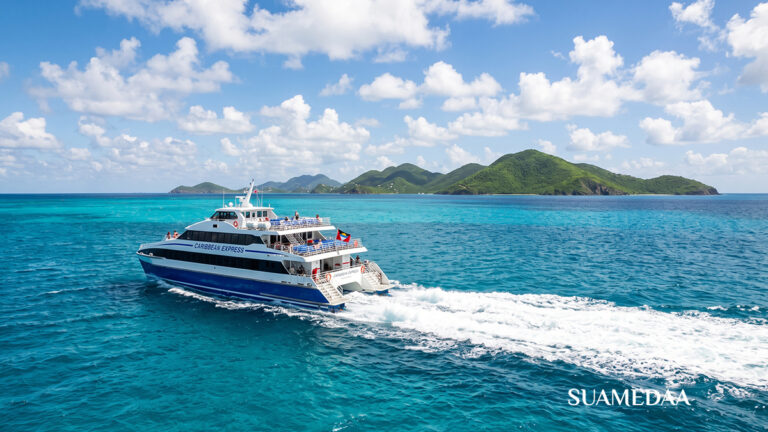
For years, the travel industry has presented Africa as a decision. You either go on safari, rising before dawn to track lions across golden grassland, or you go to the beach, spending your days horizontal under a palm tree with something cold in your hand. The brochures, the booking systems, and the flight prices have all quietly reinforced the idea that these are two different kinds of holidays, for two different kinds of traveller, requiring two different trips.
This is entirely wrong, and experienced Africa travellers have known it for a long time.
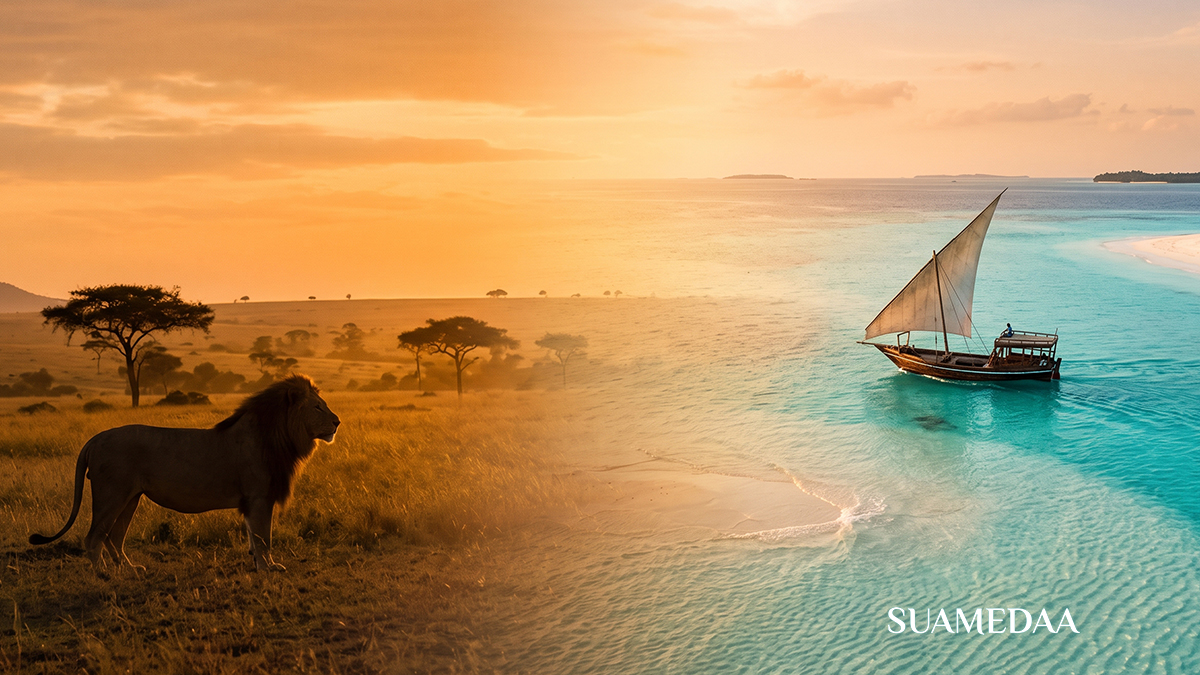
The continent’s geography makes it uniquely suited to combining the two experiences, often within the same fortnight and sometimes within the same country. A lion seen at dawn in the Serengeti and a dhow sailing across the Indian Ocean at sunset three days later are not contradictions. They are, in many respects, the natural completion of each other. The bush sharpens the senses and slows the mind. The beach allows those sharpened senses to rest. The combination produces something that neither experience achieves alone: a genuine reset of how you see and feel.


This is a guide to doing it properly.
Why the Combination Works
The rhythms of safari and beach travel are almost perfectly complementary. A wildlife safari demands early mornings, physical alertness, patience, and a constant engagement with the environment. Game drives begin before dawn. Walks through the bush require focus. Every sound and movement carries potential meaning. It is a form of heightened attention that is exhilarating but also tiring in a specific and unfamiliar way.
The beach, particularly on a remote Indian Ocean island, provides exactly the opposite demand: almost nothing. You can read, swim, eat, and sleep on a schedule governed entirely by your own appetite and the arc of the sun. After five or six days in the bush, this is not laziness. It is recovery through contrast.
There is also the question of narrative. A two-week trip that spends its entire time in the bush can begin to blur into itself by the end. The thrill of the fifth lion sighting is real but slightly less electric than the first. Adding a beach component introduces a distinct change of texture and pace that prevents that blurring, leaving both parts of the trip sharper in the memory than either would have been alone.
The Sequencing Question: Safari First
The sequencing of a combined safari and beach trip is not arbitrary. The universal advice from experienced travellers and guides who run these combinations regularly is to do the safari first and the beach second, and the reasoning is specific.

You arrive in Africa jet-lagged, sensory-deprived from long-haul travel, and operating at something less than full capacity. A safari, paradoxically, is the better environment in which to recover from this. The early morning game drives enforce a rhythm that aligns your body clock quickly. The days are structured by the bush, and the lodge or camp manages everything around you. The heightened attention required to be genuinely present for wildlife sightings also pushes jet lag aside more effectively than a beach lounger, where the temptation to simply lie still and feel disoriented is greater.
By the time you reach the beach, you are adapted, rested in the safari sense, and able to fully appreciate the transition into a completely different mode of travel. You also arrive at the beach with the memories of the bush still fresh and the photographs still unreviewed, which gives the beach segment a reflective dimension it would not otherwise have.
Doing the beach first and arriving at the bush second creates the opposite problem: you spend the first game drive calculating how many days of beach you gave up to be here, and the sense of leisure acquired at the coast does not prepare you well for the 5:30am alarm call.
Safari first. Always.
South Africa: The Country That Requires No Flight Between the Two
South Africa is the starting point for any discussion of safari and beach combinations because it is the only major African safari destination where the two experiences can be linked without a domestic flight, a border crossing, or anything more complex than a long and spectacular drive.


The Garden Route and Addo Elephant Park
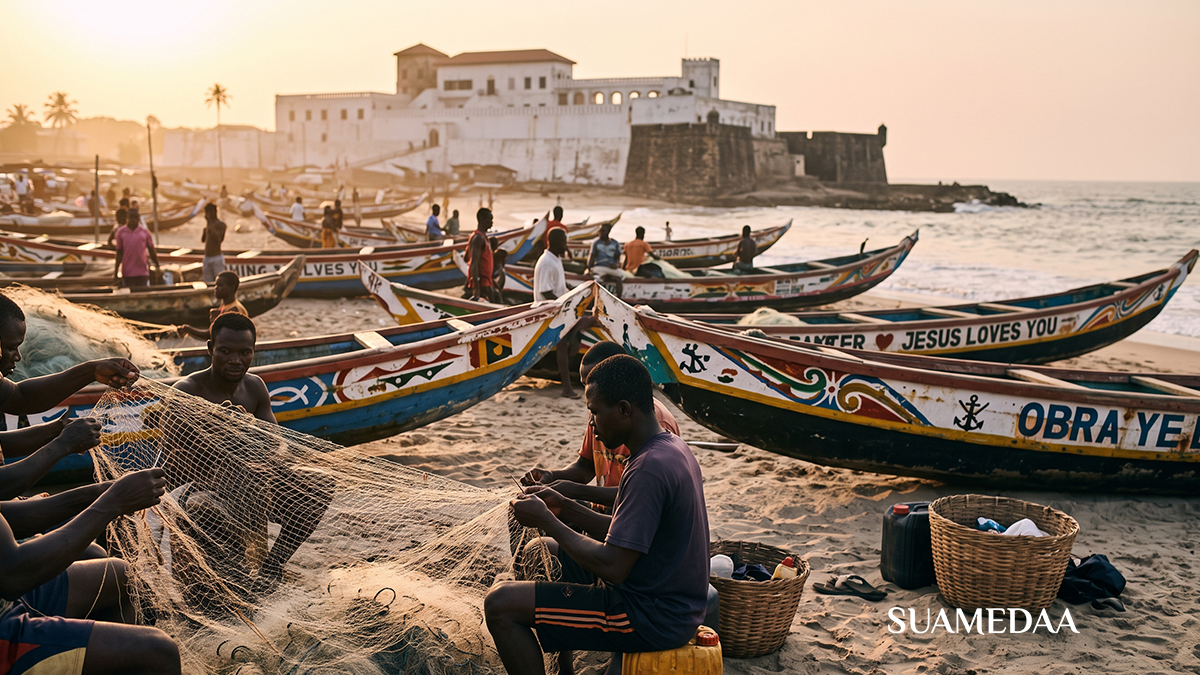
The Garden Route is a stretch of South Africa’s south coast running roughly from Mossel Bay to the Storms River Gorge, winding through a landscape of forested mountains, coastal lakes, pristine beaches, and sea cliffs that is unlike anywhere else on the continent. From the Addo Elephant National Park outside Gqeberha, the Garden Route is roughly three hours west along the N2, making the combination one of the most logistically simple safari-and-beach pairings in Africa.
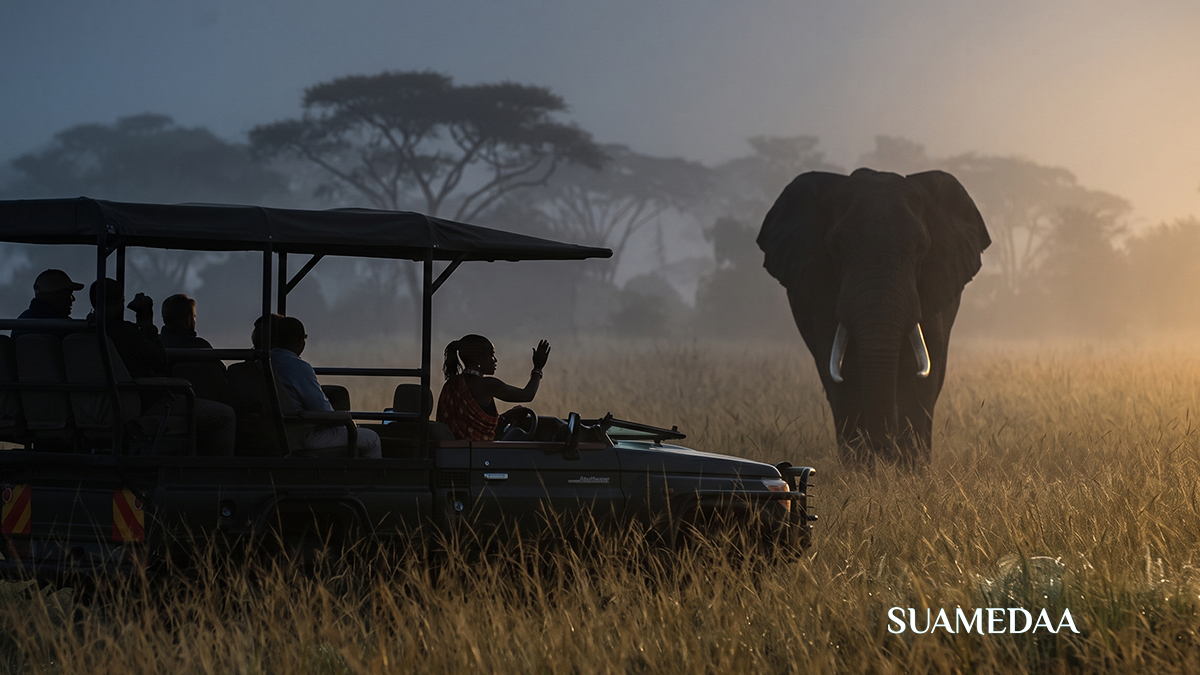
Addo is the third-largest national park in South Africa and home to one of the largest elephant populations on earth, with more than 600 animals in a park that also supports the Big Five, Cape buffaloes in enormous herds, black rhinos, and the flightless dung beetle, which has a legal right of way on all park roads. The park is entirely malaria-free, making it accessible to travellers who prefer to avoid antimalarial medication, and to families with young children for whom malaria prophylaxis can be a concern.
After four or five nights in and around Addo, the drive west along the N2 passes through some of the most beautiful coastal scenery in southern Africa before delivering you to the Garden Route proper. Plettenberg Bay offers excellent whale watching from June through November, with southern right whales breaching close to shore in the bay itself. Knysna sits on one of the most photographed lagoons in the country, its famous heads guarding an estuary full of oysters that the town has made famous. Further west, the Tsitsikamma section of the Garden Route National Park offers the Storms River suspension bridge over a gorge cut by millennia of water through ancient forest, and the Otter Trail, one of South Africa’s most celebrated multi-day coastal hikes.
A well-paced Addo and Garden Route combination takes seven to nine nights and requires a hire car, a modest advance plan, and very little else.
KwaZulu-Natal: Safari and Sea in One Province
KwaZulu-Natal, the province that occupies South Africa’s eastern coast, contains within its borders both some of the finest wildlife reserves in southern Africa and a coastline that stretches from the subtropical north to the beach towns south of Durban. The combination within a single province, achievable on one hire car loop without backtracking to Johannesburg, makes this one of the most efficient pairings in Africa for travellers working with limited time.
Hluhluwe-iMfolozi Park, in the north of the province, is the oldest proclaimed game reserve in Africa and the place most credited with saving the southern white rhino from extinction. It remains one of the best places on the continent to see rhinos, both black and white, and supports lion, leopard, elephant, buffalo, and an exceptional diversity of antelope and bird species. Adjacent to it, the iSimangaliso Wetland Park is a World Heritage Site where hippos share water with crocodiles, and a significant breeding population of leatherback and loggerhead turtles nests on beaches that have remained unchanged for millions of years.
The Dolphin Coast south of iSimangaliso brings the ocean into the picture, with warm Indian Ocean water, surf beaches, and deep-sea fishing adding a contrast to the wildlife intensity of the reserves. The combination can be structured as a northward loop from Durban or as a point-to-point journey depending on flight arrangements.
Greater Kruger and the Mozambique Archipelago
The most dramatic safari-and-beach combination available to travellers visiting South Africa does require one additional border crossing, but it is a crossing that rewards the effort substantially.
The greater Kruger area, encompassing both the national park and the private reserves that share unfenced boundaries with it along its western flank, is arguably the finest safari destination in the world for the combination of wildlife quality, lodge standard, and accessibility. The Big Five are seen routinely. The private reserves offer guided walking safaris, night drives prohibited in the national park, and a level of personalised service that makes the experience feel genuinely tailored.
From the greater Kruger area, a charter flight or scheduled connection to Vilanculos in southern Mozambique, and then a boat transfer out to the Bazaruto Archipelago, produces one of the most extreme environmental contrasts available on a single continent. The Bazaruto Islands sit in the Indian Ocean inside a national marine park that protects dugongs, the last significant population of these gentle, slow-moving sea mammals in the western Indian Ocean. The marine park also shelters four of the world’s seven sea turtle species, humpback whales passing through on their annual migration, manta rays, and more fish species than a single trip can catalogue. The beaches on the islands, particularly on Bazaruto Island itself and on Benguerra, are among the most beautiful in the Indian Ocean. The sand is white to the point of luminescence. The water graduates from transparent shallows through successive bands of green and blue to the deep cobalt of the open ocean.
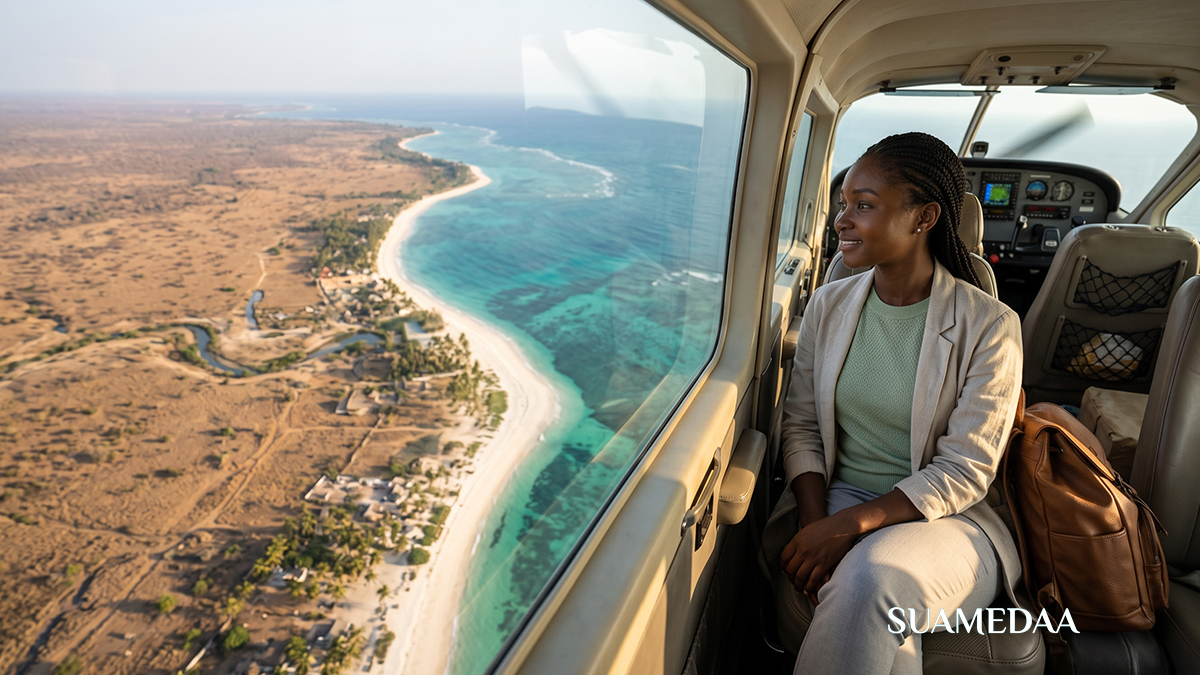
This combination carries a price premium commensurate with the experience. The private Kruger lodges and the island camps in Bazaruto are among the most expensive in Africa. But for travellers for whom budget is not the primary constraint, and for whom the goal is the single best combination of safari and beach that Africa can offer, the Kruger-Bazaruto pairing is consistently the answer.
Tanzania: Where the Serengeti Meets the Spice Islands
Tanzania is the other country around which most safari-and-beach itineraries in East Africa are structured, and the logic is simple: Serengeti National Park and Zanzibar Island are less than an hour apart by air, and together they constitute two of the most celebrated travel destinations on earth.
The Serengeti and Zanzibar Classic
The classic East Africa combination has been running in one form or another since the 1970s, and it remains as compelling as it ever was precisely because both halves of it are genuinely extraordinary.
The Serengeti is 14,763 square kilometres of open savannah, and it hosts the Great Migration, the circular movement of approximately 1.5 million wildebeest, 250,000 zebra, and 500,000 Thomson’s gazelles in a continuous loop governed by the rains and the grasses they produce. The Migration is not a single event with a single date and location. It is a year-round movement, with different phases offering different spectacles. The river crossings of the Mara River in the northern Serengeti, where crocodiles wait in the shallows and the wildebeest plunge in regardless of the odds, occur primarily between July and October. The calving season, when hundreds of thousands of wildebeest calves are born within a few weeks of each other in the southern Serengeti and Ndutu area, happens in January and February, attracting concentrated predator activity. The Serengeti works in all seasons, and its wildlife extends far beyond the Migration to include the most consistent leopard sightings in Africa, enormous prides of lions, cheetahs, wild dogs, and a bird list that runs to over 500 species.
Zanzibar, 35 minutes from Dar es Salaam by air or about the same from the small airports of the northern Tanzania circuit, occupies a specific place in the imagination of the Indian Ocean. Stone Town, its historic core, is a World Heritage Site of coral-stone buildings and carved wooden doors built over centuries by the intermingling of Arab traders, Persian merchants, and the Swahili coastal culture that emerged from their encounter. The food scene in Stone Town, and particularly at the Forodhani Gardens night market on the seafront, draws on this layered history in dishes that combine coconut, tamarind, cloves, cardamom, and the freshest seafood from waters that are absurdly rich.
The beaches of the north and east coasts of Zanzibar, at Nungwi, Kendwa, Matemwe, and Paje, are the other half of the island’s appeal. The ocean here shifts from absolute calm in the sheltered northwest to more energetic Indian Ocean swells in the east, where kite-surfers congregate at Paje to exploit the reliable trade winds. Reef snorkelling and diving are accessible from most of the beach areas, with Mnemba Atoll offering some of the best dive sites in East Africa.
The best months to combine Serengeti and Zanzibar are June through October, when the northern Serengeti river crossings are active and both destinations are in their dry season. The long rains of April and May are best avoided.
The Quiet Alternatives: Selous, Ruaha, and the Smaller Islands
The Serengeti and Zanzibar combination is magnificent, but it is also one of the most well-trodden safari routes in Africa. Travellers seeking the same quality of experience with fewer fellow travellers should consider Tanzania’s southern circuit.
The Selous Game Reserve, now formally known as the Nyerere National Park, is larger than Switzerland and receives a fraction of the visitor numbers that the Serengeti sees in a busy month. It is a different kind of landscape, dense miombo woodland threaded by the great Rufiji River, and it offers wildlife experiences that the Serengeti does not, including boat safaris on the river itself, guided canoe trips through the delta, and walking safaris with armed rangers in terrain where the possibility of unexpected encounters with elephant or buffalo feels entirely real.
From the Selous area, charter connections to Mafia Island bring travellers to one of the Indian Ocean’s best-kept secrets. Mafia sits within a marine park of extraordinary richness, and between October and February it hosts one of the world’s largest congregations of whale sharks, the gentle plankton-feeding giants that can grow to twelve metres and allow swimmers and snorkellers to drift beside them. The diving and snorkelling on Mafia’s reefs is exceptional year-round. The island has very few tourists and almost no mass-market infrastructure, making it one of those rare places that feels genuinely off the mainstream route.
Pemba Island, north of Zanzibar, offers a similar alternative for travellers who want the Indian Ocean experience without the Zanzibar crowds. Pemba’s diving is considered by many underwater specialists to be superior to Zanzibar’s, with walls and channels swept by nutrient-rich currents that support dense marine life at every depth. The island itself is quiet, forested, and largely undeveloped.
Kenya: The Mara and Beyond
Kenya’s version of the safari and beach combination typically centres on the Masai Mara Game Reserve and either Zanzibar or the Kenyan coast itself.
Masai Mara and Zanzibar
The Masai Mara, sharing the Serengeti ecosystem with Tanzania across an unfenced border, is the northern reach of the Great Migration corridor and arguably the best single location in Africa for concentrations of predator species. The combination of lions in large prides, resident cheetah families, and regular leopard sightings, set against the rolling golden landscape and the Mara River crossing drama during the migration months, makes it one of the genuinely transformative wildlife experiences available anywhere on earth.
From Nairobi’s Wilson Airport or Jomo Kenyatta International Airport, an evening departure connects to Zanzibar via Dar es Salaam in approximately three hours fifteen minutes, making the transition from bush to beach achievable in a single afternoon. Alternatively, the Seychelles, roughly the same flight time from Nairobi with a connection, represents one of the most exotic beach pairings available for travellers combining the Mara with an island experience.
The Kenyan Coast
For travellers who prefer to stay within Kenya throughout, the coast between Mombasa and Malindi offers a well-developed beach resort infrastructure, Swahili cultural sites including the medieval ruins of Gedi and the World Heritage old town of Mombasa, and marine parks at Watamu and Malindi with reef snorkelling accessible from the shore. The Kenyan coast is more developed and more densely settled than the remote island alternatives elsewhere in East Africa, but it compensates with direct charter connections from Nairobi and a variety of accommodation at a range of price points.
Namibia: Desert, Wildlife, and the Skeleton Coast
Namibia offers a combination unlike any other on the continent: not the classic safari and tropical beach pairing, but a meeting of desert and ocean that is uniquely its own.
The Skeleton Coast is the stretch of Atlantic coastline along Namibia’s northern shore where the cold Benguela Current creates a permanently fog-shrouded environment of sand dunes, shipwrecks, and one of the most biologically productive marine ecosystems in the world. The mist that rolls in from the ocean every morning supports a food chain beginning with billions of microscopic organisms and ending with enormous Cape fur seal colonies, the largest in the world, numbering in the hundreds of thousands on certain beaches. These colonies in turn attract black-backed jackals patrolling the shore for pups, and occasionally brown hyenas and lions that have adapted to life in this extraordinary desert coast.
Swakopmund, the Namibian coastal town that functions as the gateway to the Skeleton Coast area and to the sand dunes of the Namib, offers a range of adventure activities including sandboarding, quad biking on the dunes, and kayaking with the seals in Walvis Bay lagoon, where flamingos wade in the shallows and bottlenose dolphins cruise past fishing boats. The combination of Etosha National Park for the classic safari experience and the Skeleton Coast and Swakopmund for the coastal element creates an itinerary that is entirely Namibian in character and unlike anything offered elsewhere in Africa.
Malawi and Zambia: The Inland Sea Alternative
For travellers who are drawn to East Africa’s safari traditions but prefer an entirely landlocked itinerary, Lake Malawi represents an inland alternative to the Indian Ocean that is often overlooked in combination planning.
Lake Malawi is the third-largest lake in Africa, and it contains more fish species than any other lake on earth, including more cichlid species than the rest of the world’s lakes combined. Snorkelling in its clear, freshwater shallows is an experience of extraordinary colour and density, easily comparable to coral reef snorkelling for sheer visual richness.
Majete Wildlife Reserve in the south of Malawi has been transformed over the past two decades from a heavily poached area with almost no wildlife into a genuine Big Five destination by African Parks, the conservation organisation that has taken over management of more than twenty parks across the continent. From Majete, the drive or flight north to the lake’s southern shore and then northward along the lakeshore or to Likoma Island creates a self-contained Malawi itinerary that requires no international connections.
Zambia, immediately to the west, offers South Luangwa National Park, one of the finest walking safari destinations in Africa, as a pairing with Lake Malawi via the Zambia-Malawi border crossing. South Luangwa’s walking safaris, conducted on foot with armed professional guides through landscapes thick with elephant, buffalo, leopard, and lion, are considered by safari purists to be among the most authentic wildlife experiences available anywhere. Pairing this with the lakeside stillness and freshwater snorkelling of Lake Malawi creates an itinerary with genuine depth.
Planning Practicalities
Minimum Time Allocation
The most common mistake in combining safari and beach is shortchanging both. A week that splits three nights in the bush and four nights at the beach is not enough of either to achieve the full effect of the combination. The minimum that allows both experiences to unfold properly is four to five nights on safari and six to seven nights at the beach, making an eleven to twelve night trip the realistic minimum for a combination itinerary done well.
Twelve to fourteen nights, splitting the time more evenly between five or six nights of safari and seven or eight nights of beach, is the standard recommendation from operators who build these itineraries regularly and have seen what works and what doesn’t.
Packing for Two Different Worlds
Safari and beach require different clothing and equipment, and packing for both in one bag requires thought. Safari clothing should be neutral in colour, lightweight, and layered: mornings in the bush can be genuinely cold at altitude, even in East Africa, while afternoons push temperatures well above thirty degrees. Khaki, olive, and tan are the tones that guide the choice: bright colours and white are inappropriate in the bush environment.
Beach clothing is the opposite: light, colourful, easily packed, and water-compatible. A separate small bag or a packing cube system that keeps safari and beach clothes organised prevents the moment of arrival at the ocean and reaching for your wide-brimmed khaki hat to find that it has been at the bottom of the bag under everything else.
Camera gear, particularly telephoto lenses for wildlife photography, is common in the safari segment and heavy. The beach segment rarely requires anything beyond a waterproof compact or a phone. Many travellers arrange to leave safari-specific gear in secure hotel storage during the beach segment rather than carrying it to the coast.
Malaria Considerations
The malaria map of Africa matters significantly in planning a combined itinerary. Most East African safari destinations, including the Masai Mara, Serengeti, and Selous, are in malaria zones requiring prophylaxis. Many Indian Ocean beach destinations, including Zanzibar and mainland coastal Tanzania, are also malaria risk areas. Zanzibar carries particular risk.
South Africa’s Addo and the Garden Route combination has the advantage of being entirely malaria-free, as does much of the Western and Eastern Cape. Travellers who prefer to avoid antimalarial medication should weigh this factor heavily in destination selection, particularly for families with young children. A conversation with a travel medicine specialist well in advance of departure is advisable for any trip incorporating malaria risk zones.
When to Go
The single best window for the East Africa safari and Indian Ocean beach combination is June through October, the dry season across the region. Wildlife concentrations peak as water sources shrink, game viewing is at its most reliable, Indian Ocean beach weather is settled and dry, and Zanzibar sees its best diving conditions. The drawback is that this is also the peak season, and both safari lodges and beach properties fill early and price accordingly.
For South Africa’s Addo and Garden Route combination, the shoulder seasons of April through May and September through November offer excellent weather, smaller crowds, and lower prices than the southern hemisphere summer peak. The Garden Route is beautiful year-round, and Addo game viewing is reliably good in all seasons.
The Return
The traveller who completes a well-constructed safari and beach combination returns with two distinct kinds of memory that do not compete with each other but reinforce each other.
There is the bush memory: the silence of the predawn hour, the particular smell of acacia and dust, the shock of an elephant at close range or a leopard draped across a tree branch, the impossibility of describing to anyone who was not present precisely what it felt like to watch a lion look at you and then look away.
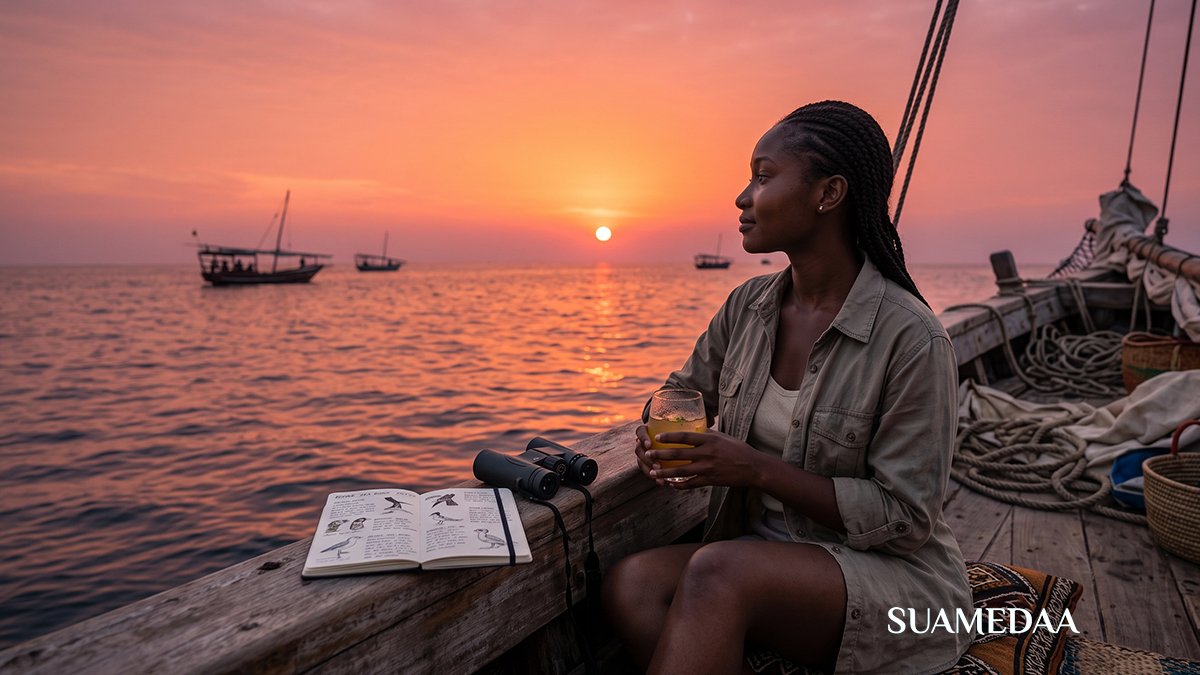
And there is the beach memory: the weight of salt water and the sensation of floating in it, the colour gradient of shallow to deep, the sound of a dhow’s sail in the wind, the quality of the light late in the afternoon over the Indian Ocean.
Neither one is diminished by the presence of the other. Both are made more vivid by the contrast between them. This is what the false choice between safari and sea has always failed to account for: that the human experience of a place is intensified by contrast, and that two extraordinary environments experienced in deliberate sequence produce something greater than the sum of their parts. The bush and the beach are not a compromise. They are a completion.