BauxiteThe Rock That Built the Modern World
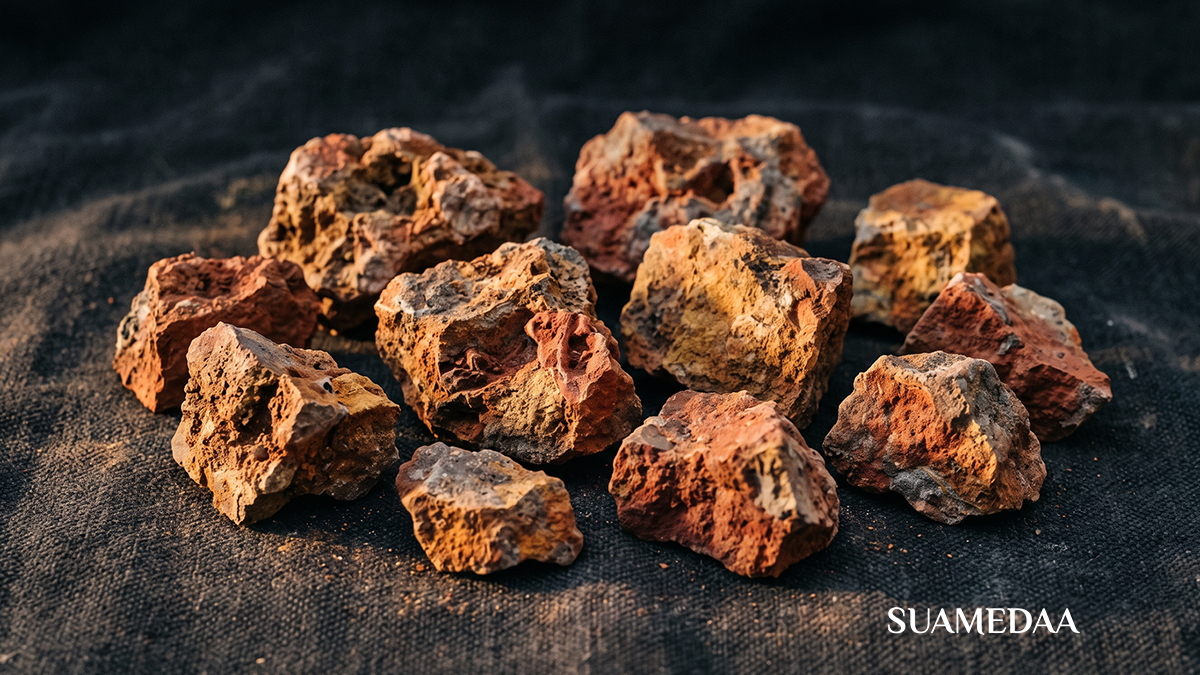
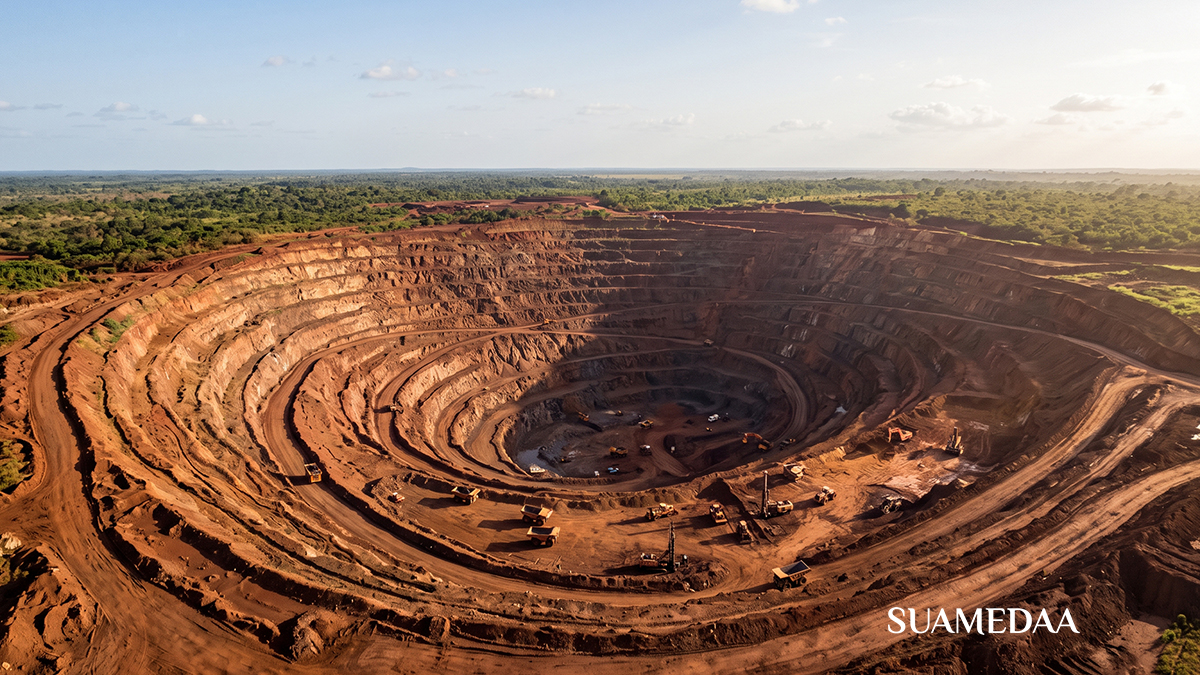
It is not a glamorous ore. Bauxite does not gleam. It does not shimmer in the light. It does not carry the cultural weight of gold or the ancient authority of iron. It is a reddish-brown, sometimes yellowish or grey, earthy rock found near the surface of the ground across the tropical and subtropical belt of the earth, named after Les Baux-de-Provence in southern France where it was first described by geologist Pierre Berthier in 1821. In most forms it resembles dried clay. It is the least photogenic of the economically important minerals.
And yet the world as we know it could not exist without it. The aircraft you board, the car you drive, the power lines that bring electricity to your home, the smartphone in your pocket, the food packaging in your kitchen, the solar panels generating renewable energy, the spacecraft being assembled for lunar missions, the stadium in which athletes compete, the bridge over which trains travel, the window frames of the building where you work: all of these are made possible, in whole or in significant part, by bauxite.
Bauxite is the world’s primary ore of aluminium, the most abundant metal in the earth’s crust and one of the most versatile structural and functional materials ever deployed at industrial scale. Approximately 85 percent of all bauxite mined globally is refined into alumina, which is then smelted into aluminium metal. The remaining 15 percent goes into a wide range of direct industrial applications: refractories, abrasives, high-aluminium cement, chemical manufacture, ceramics, water treatment, and oil field operations. Together these applications make bauxite one of the most economically and industrially significant minerals on earth.
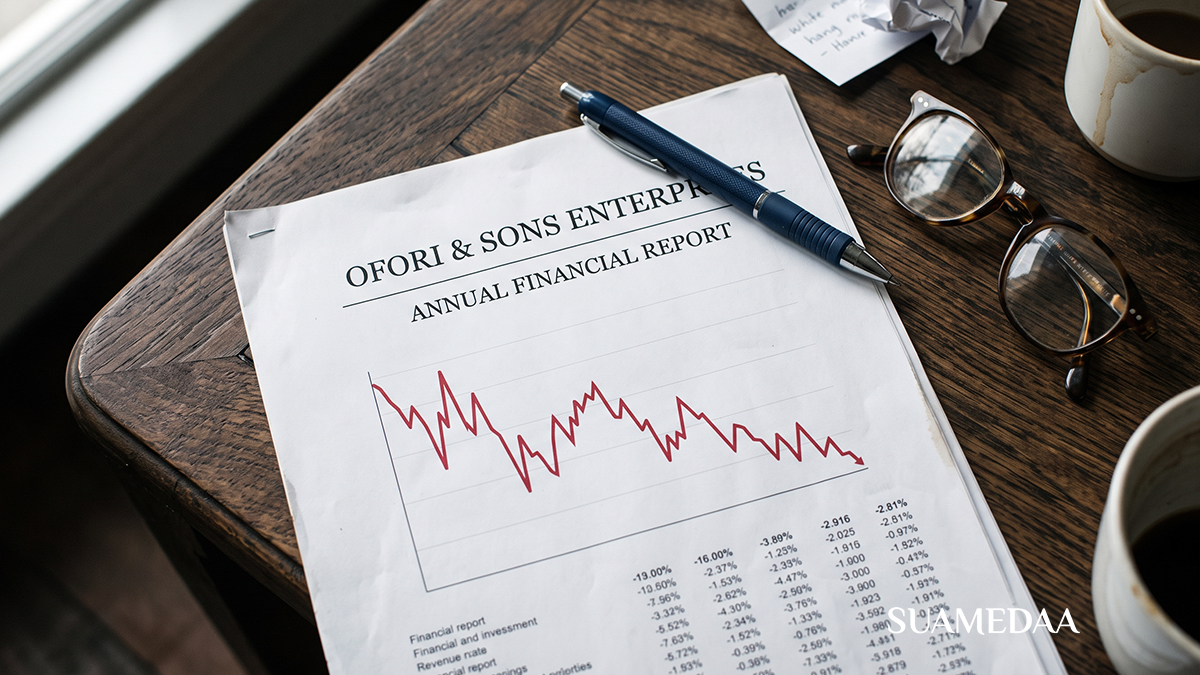


The global bauxite mining market was valued at 16.2 billion US dollars in 2025 and is projected to reach 22.9 billion by 2035, growing at a compound annual growth rate of 3.5 percent. The alumina and bauxite market as a whole is expected to reach 139 billion US dollars by 2035, growing at a CAGR of 5.11 percent, driven by the accelerating demands of electric vehicle manufacturing, renewable energy infrastructure, construction, packaging, and artificial intelligence data centre build-out. Understanding bauxite means understanding the material foundation of the green energy transition, the digital economy, and the global infrastructure that modern civilisation depends upon.
What Bauxite Is and How It Forms
Bauxite is not a single mineral but a rock composed of a mixture of aluminium hydroxide minerals, primarily gibbsite, boehmite, and diaspore, alongside impurities including silica, iron oxides, titanium dioxide, and other elements in minor concentrations. Its chemical composition and aluminium oxide content determine its commercial grade and suitability for different applications.
Bauxite forms through a geological process called laterisation: the prolonged chemical weathering of aluminium-bearing rocks in tropical and subtropical climates where high rainfall and warm temperatures leach away soluble elements including silica, leaving behind a residual concentration of aluminium hydroxides and iron oxides. The process requires millions of years of consistent tropical weathering conditions, which is why commercial bauxite deposits are concentrated in a geographical band between roughly 30 degrees north and 30 degrees south of the equator.
The major producing countries reflect this tropical geography. Australia is the world’s largest producer, with deposits in Western Australia, Queensland, and the Northern Territory. Guinea in West Africa holds the world’s largest bauxite reserves, estimated at over 7 billion tonnes of high-grade ore. Brazil, Jamaica, China, India, Indonesia, and several other tropical countries are significant producers. West Africa as a region holds approximately 28 percent of global bauxite reserves and is becoming increasingly central to global supply. Guinea, Ghana, Sierra Leone, and Guinea-Bissau are among the countries with major deposits in the region.
Commercially mined bauxite is divided into four primary grades based on its aluminium oxide content, silica levels, iron oxide content, and titanium dioxide concentration: metallurgical grade, refractory grade, abrasive grade, and chemical grade. Each grade has specific applications determined by its chemical composition.

Metallurgical grade, which contains around 40 to 55 percent aluminium oxide, accounts for approximately 85 percent of global commercial bauxite production and serves as the feedstock for aluminium production. Refractory grade requires 59 to 61 percent aluminium oxide. Abrasive grade requires a minimum of 55 percent aluminium oxide with specific titanium dioxide levels. Chemical grade contains 55 to 58 percent aluminium oxide with controlled silica and iron levels. Each grade is extracted, processed, and directed toward its specific industrial applications through distinct supply chains.
The Primary Application: Aluminium Production Through the Bayer and Hall-Heroult Processes
The most significant and most far-reaching application of bauxite is the production of aluminium metal, which proceeds through two sequential industrial processes: the Bayer process, which converts bauxite into aluminium oxide, and the Hall-Heroult process, which converts aluminium oxide into metallic aluminium.
The Bayer process, developed by Austrian chemist Karl Josef Bayer in 1887, is one of the most important industrial chemical processes in the world. It begins by crushing and grinding the bauxite ore, then digesting it in hot sodium hydroxide solution at temperatures between 150 and 240 degrees Celsius and pressures of several atmospheres. Under these conditions, the aluminium hydroxide minerals in the bauxite dissolve into a sodium aluminate solution while the impurities, including silica, iron oxides, and titanium dioxide, remain as an insoluble residue called bauxite residue or red mud. This residue is separated by settling and filtration, and the clarified sodium aluminate solution is then cooled and seeded with fine aluminium hydroxide crystals, which causes aluminium hydroxide to precipitate out of solution. The precipitated hydroxide is filtered off, washed, and calcined in rotary kilns at approximately 1,000 degrees Celsius to drive off the water of crystallisation, producing anhydrous aluminium oxide, known as alumina, a white powder.
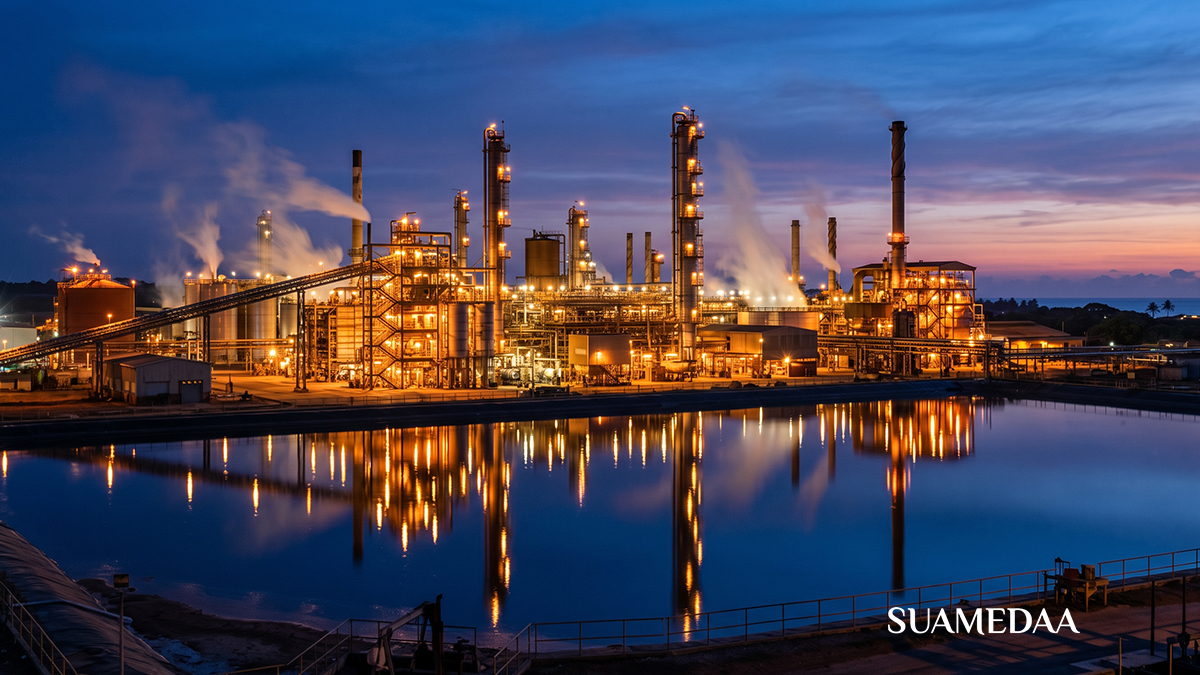
Modern alumina refineries have cut energy use by over 20 percent per tonne since 2010 through process optimisation, heat recovery, and the adoption of more efficient calcination technologies. This improvement in energy efficiency has been important both for reducing the cost of aluminium production and for reducing its carbon footprint in an era of increasing environmental accountability.
The Hall-Heroult process, independently developed by American Charles Hall and Frenchman Paul Heroult in 1886, converts alumina into metallic aluminium through electrolytic reduction. Alumina is dissolved in molten cryolite at temperatures around 960 degrees Celsius in large electrolytic cells called pots. Direct electrical current is passed through the molten bath, causing the aluminium ions to be reduced to metallic aluminium at the carbon cathode, which sinks to the bottom of the pot, while oxygen is released at the carbon anode. The liquid aluminium is periodically tapped from the bottom of the pots and cast into ingots, billets, or other primary forms for further processing.


This process requires substantial electrical energy, approximately 13 to 15 kilowatt-hours per kilogram of aluminium produced, which is why aluminium smelters are typically located where electricity is cheap and abundant: near hydroelectric dams, geothermal energy sources, or other low-cost power generation. The energy intensity of primary aluminium production is the single largest factor in its environmental profile and the primary motivation for recycling aluminium, which requires only about 5 percent of the energy needed for primary production.
Aluminium in Transportation
The largest industrial consumer of aluminium, and by extension bauxite, is the transportation sector: the aircraft, automotive, railway, and shipping industries that collectively use approximately 26 percent of global aluminium production. The reason is aluminium’s exceptional combination of properties for transportation applications: its density is roughly one third that of steel, yet its specific strength (strength per unit weight) is comparable to or exceeds that of most steels when appropriate alloys are used. This means that replacing steel components with aluminium reduces the weight of vehicles, aircraft, and vessels substantially without sacrificing structural integrity.
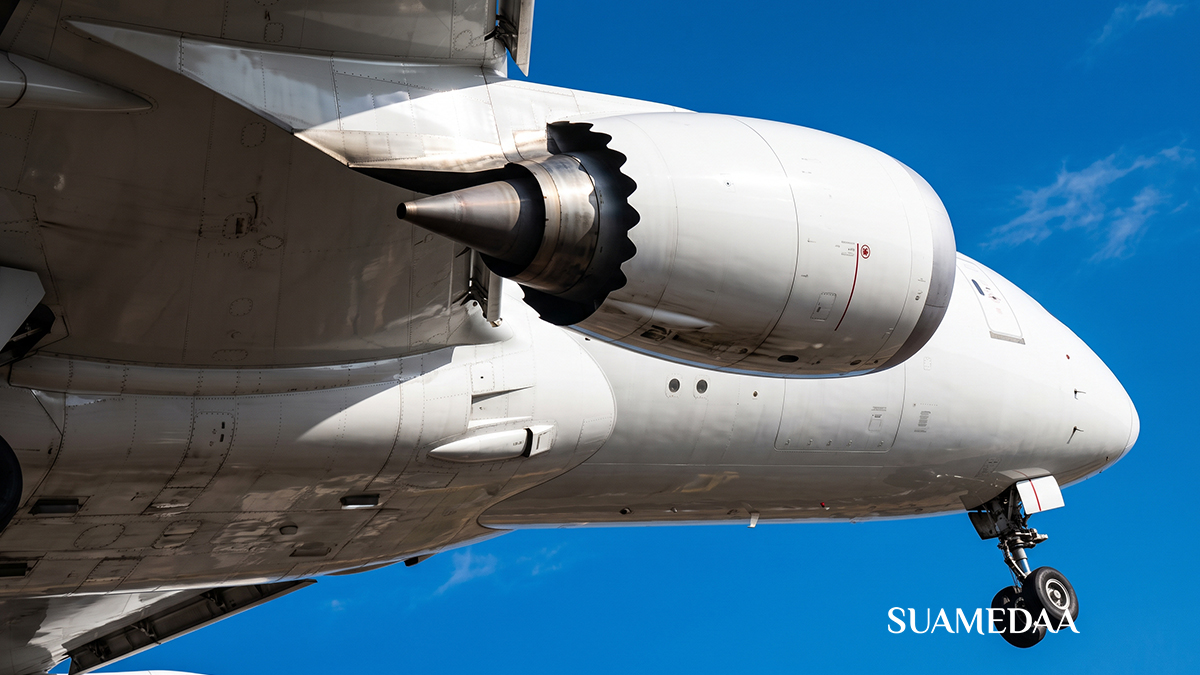
In aviation, aluminium alloys have been the dominant structural material in commercial aircraft since the 1930s. A modern commercial aircraft such as a Boeing 787 or an Airbus A350 contains aluminium alloys throughout its airframe, skin panels, interior structures, and engine components, with modern aircraft using between 20 and 80 percent aluminium by weight depending on the specific design. The fuel savings from reduced structural weight over an aircraft’s 30-year operational life are enormous: a weight reduction of 1 kilogram in an aircraft saves approximately 3,000 litres of fuel over its service life. The aluminium content in commercial aviation directly translates into reduced fuel consumption and reduced carbon emissions from the global air transport system.
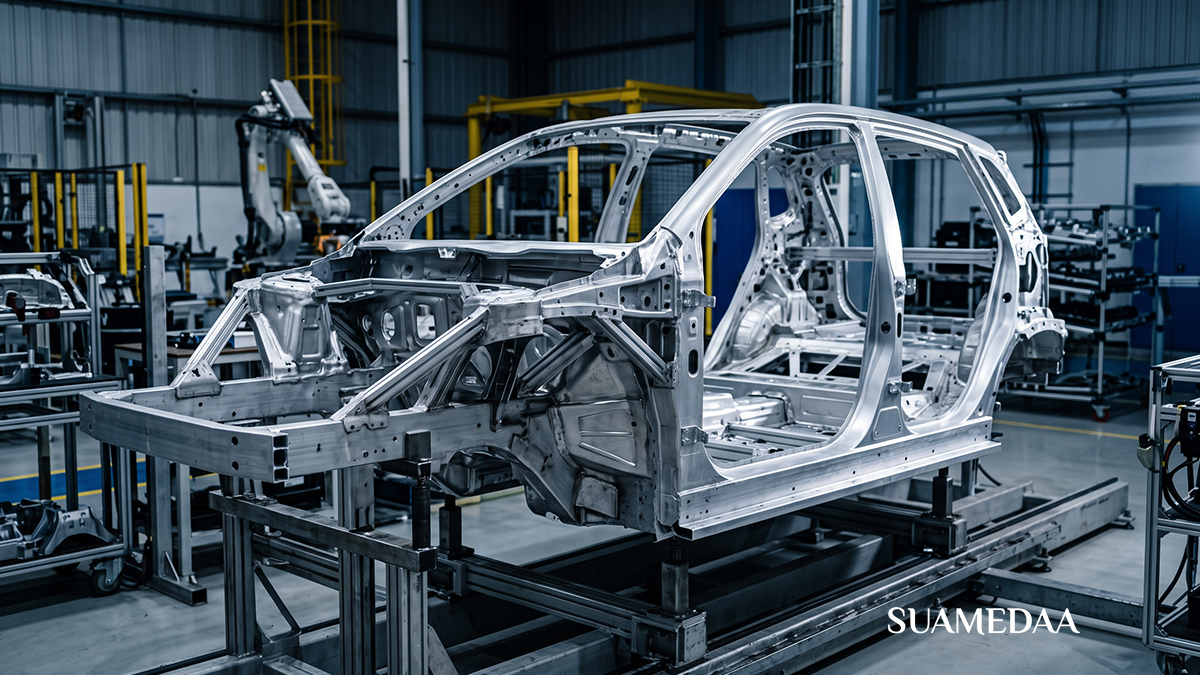
In the automotive sector, the shift toward aluminium-intensive vehicles has been driven both by fuel economy regulations and by the transformation of the industry toward electric vehicles. Every kilogram of weight reduction in a vehicle reduces fuel consumption by approximately 0.05 litres per 100 kilometres for conventional vehicles, and extends the driving range of electric vehicles for a given battery capacity. Modern premium vehicles use aluminium extensively in body panels, hoods, doors, bonnets, subframes, suspension components, wheels, engine blocks, and transmission housings. Electric vehicles use even more aluminium than their conventional counterparts because the weight savings are doubly valuable: they reduce the size of battery required for a given range, and a smaller battery further reduces vehicle weight in a virtuous cycle.
The automotive industry’s pivot to electric vehicles is one of the primary growth drivers for bauxite and aluminium demand in the mid-2020s and beyond. Battery electric vehicles use on average 20 to 35 percent more aluminium than equivalent conventional vehicles. As EV adoption accelerates globally, this increased per-vehicle aluminium demand translates directly into increased bauxite demand. Market analysts project that EV-driven demand growth will sustain the bauxite market’s expansion well into the 2030s.
In railways, aluminium is used extensively in the bodies of high-speed trains, urban metro cars, and regional rail vehicles, where its weight savings reduce energy consumption per passenger-kilometre and allow higher speeds for a given power input. In shipping, aluminium superstructures reduce the top-weight of vessels, improving stability and allowing larger payloads for a given hull design.
Aluminium in Construction and Architecture
The construction and building sector is the second-largest consumer of aluminium globally, accounting for approximately 25 percent of total aluminium use. From the window frames and curtain wall systems of skyscrapers to the roofing panels of industrial buildings, from the structural framing of residential properties to the facade cladding of cultural landmarks, aluminium has become one of the defining materials of contemporary architecture.
Aluminium’s appeal for construction is driven by several properties: it does not rust or corrode in ordinary atmospheric conditions due to the self-forming protective oxide layer that develops on its surface on exposure to air, giving it an effective service life measured in decades without maintenance painting. It is fully recyclable without quality loss, so aluminium that has served its useful life as a window frame can be recovered and recycled into new aluminium products with minimal energy input. It can be extruded into complex cross-section profiles that provide structural efficiency while maintaining visual elegance, which is why aluminium extrusions are the standard form for window and door frames, curtain wall mullions, and architectural trim across commercial construction worldwide.
Aluminium roofing and cladding systems have become the standard for industrial buildings and are gaining rapid market share in residential construction, driven by their longevity, low maintenance requirement, and the aesthetic versatility of powder-coated and anodised finishes. In tropical climates, where steel roofing corrodes rapidly without ongoing maintenance, aluminium’s corrosion resistance provides a significant practical advantage.
The green building movement has further accelerated aluminium’s adoption in construction. Buildings certified under LEED, BREEAM, and other green building standards benefit from aluminium’s recyclability, its potential for high recycled content, its long service life, and its compatibility with energy-efficient building envelope systems including thermally broken aluminium window systems that reduce heat transfer through the building envelope.
Aluminium in Packaging
Food and beverage packaging is the third major application of aluminium, accounting for approximately 14 percent of global aluminium use. Aluminium is used in beverage cans, food cans, foil packaging, flexible packaging, closures, and tubes for a combination of properties that no other commonly available packaging material fully replicates: it creates a complete barrier to oxygen, light, moisture, and contaminants, it does not corrode or react with food contents under normal packaging conditions, it can be formed into complex shapes by stamping and drawing processes, and it is fully recyclable.
The aluminium beverage can is one of the most efficiently recycled packaging materials in the world. In the United States, approximately 65 percent of aluminium cans are recycled, and in some European countries and Japan the recycling rate exceeds 90 percent. Recycled aluminium requires only 5 percent of the energy of primary production, making a high-recycling-rate aluminium can system significantly more energy-efficient than comparable systems using materials with lower recycling rates.
Aluminium foil, produced by rolling aluminium into very thin sheets of 6 micrometres and below, is used in both household and industrial food packaging, pharmaceutical blister packaging, thermal insulation composites, and electrical capacitor construction. Household aluminium foil is familiar as a food storage and cooking material. Industrial aluminium foil packaging is used for the flexible packaging of snacks, condiment sachets, medical products, and cosmetics where a barrier to oxygen and moisture is required.
Aluminium in Electrical Power Transmission
The global electrical power system runs substantially on aluminium. Aluminium conductors are the standard material for overhead power transmission lines: they are lighter than copper for a given electrical resistance, which allows longer spans between transmission towers and reduces the structural load on the towers. This weight advantage is particularly significant for high-voltage transmission lines that must span mountains, rivers, and other difficult terrain.
Standard transmission line conductor is aluminium-conductor steel-reinforced cable, in which aluminium strands provide the electrical conductivity while a steel core provides the tensile strength. This design allows spans of hundreds of metres between towers while maintaining the mechanical stability needed for safe operation over the decades-long service life of a transmission line.
Renewable energy systems are driving a major wave of new transmission infrastructure investment globally. Solar and wind generation assets are frequently located in areas distant from population centres where electricity demand is concentrated, requiring new high-voltage transmission lines to carry the generated power to market. The International Energy Agency projects that the world needs to add or refurbish over 80 million kilometres of power grids by 2040 to support the clean energy transition, the majority of which will use aluminium conductors. This infrastructure investment represents one of the most significant growth drivers for aluminium and bauxite demand over the coming two decades.
Solar panels, which are central to the renewable energy transition, use aluminium extensively in their mounting and framing systems. A standard rooftop or utility-scale solar installation uses several kilograms of aluminium per installed kilowatt of capacity in its mounting rails, frames, and connection hardware. As global solar installation accelerates, the aluminium content of solar infrastructure represents a rapidly growing demand stream that feeds directly back to bauxite.
Aluminium in Aerospace and Defence
Aerospace and defence applications represent some of the most technically demanding uses of aluminium alloys, where material performance is critical and cost is secondary to reliability. In addition to its role in commercial aviation described above, aluminium is used extensively in military aircraft, missiles, satellite structures, spacecraft, and defence vehicles.
Aluminium-lithium alloys, which add lithium to aluminium to produce an alloy that is lighter and stiffer than standard aluminium while maintaining excellent fracture toughness, are used in the most weight-critical aerospace structures. The Orion spacecraft, designed for NASA’s Artemis lunar programme, uses aluminium-lithium alloy extensively in its crew module and service module structure. Commercial aircraft manufacturers including Airbus and Boeing use aluminium-lithium alloys in fuselage panels and wing structures where the additional cost of the lithium-containing alloy is justified by the weight savings achieved.
Aluminium armour alloys are used in military vehicles where weight reduction improves mobility and fuel economy without sacrificing protection. The Bradley Fighting Vehicle, the M113 armoured personnel carrier, and many other military ground vehicles use aluminium armour that provides equivalent protection to steel at significantly lower weight.
Defence sector demand for aluminium has grown consistently with the expansion of defence budgets globally and the increasing aluminium intensity of modern weapons systems, and market analysts list defence as one of the sustained growth drivers for bauxite and aluminium demand into the 2030s.
Refractory Applications of Bauxite
Refractory-grade bauxite, which requires a minimum of 59 to 61 percent aluminium oxide content and low levels of iron and alkali impurities, is used directly in the manufacture of refractory products: materials that must withstand extremely high temperatures in industrial processes without melting, deforming, or chemically reacting with the hot materials they contain.
The largest consumer of refractory bauxite is the steel industry, where refractory linings protect the interior of blast furnaces, basic oxygen furnaces, electric arc furnaces, ladles, and other vessels that handle molten steel at temperatures exceeding 1,600 degrees Celsius. The chemical and thermal resistance of high-alumina refractory materials derived from bauxite allows these vessels to operate continuously under extreme conditions and to withstand the chemical attack of molten steel, slag, and flux materials that would rapidly destroy conventional structural materials.
Beyond steelmaking, refractory bauxite is used in the cement industry, where the interior of rotary kilns operating at 1,400 to 1,500 degrees Celsius requires high-alumina refractory linings. The glass industry, copper and non-ferrous metal smelting, petrochemical refining, and ceramic firing kilns all require refractory materials based on bauxite and calcined bauxite.
Calcined bauxite for refractory applications is produced by heating raw bauxite to temperatures between 1,400 and 1,800 degrees Celsius, which drives off the chemically combined water, converts the aluminium hydroxide minerals to corundum, an extremely hard and thermally stable form of aluminium oxide, and produces a dense, hard material with exceptional refractory properties. The high corundum content of calcined refractory bauxite enhances its hot strength, its refractoriness under load, its resistance to chemical attack by molten metals and slags, and its resistance to abrasion from the moving materials it contains.
The global refractory-grade bauxite market is expected to grow at a CAGR of 2.1 percent over the forecast period, driven primarily by growing steel production in developing economies, the expansion of cement manufacturing capacity in South and Southeast Asia, and the continued build-out of industrial processing capacity in China and India.
Abrasive Applications
Abrasive-grade bauxite, which requires a minimum of 55 percent aluminium oxide with specific titanium dioxide content, is converted through calcination and sometimes fusion into abrasive products used across industrial and commercial applications.
Brown fused alumina, produced by fusing calcined bauxite in electric arc furnaces at temperatures exceeding 2,000 degrees Celsius, is one of the most widely used industrial abrasives. The fusion process produces a very hard, dense material close in hardness to diamond, which when crushed and graded into specific particle sizes produces a tough, sharp abrasive grain used in grinding wheels, abrasive discs, sandpaper, honing stones, and blast cleaning grit. Brown fused alumina abrasives are used in the grinding and finishing of metal components across automotive, aerospace, tool and die, and precision engineering manufacturing.
Calcined bauxite is also used directly as an anti-skid surface aggregate in road construction and highway safety applications. High-friction surface treatments incorporating calcined bauxite aggregate are applied to road surfaces at high-risk locations including pedestrian crossings, roundabout approaches, junction approaches, and downhill curves. The high hardness and angular shape of calcined bauxite particles provide exceptional skid resistance, maintaining their surface texture and friction coefficient far longer than conventional aggregate materials. The installation of high-friction surface treatments at accident-prone locations has been shown to dramatically reduce accident frequencies, and calcined bauxite aggregate is the premium choice for these applications in highway engineering.
Welding fluxes, which protect the weld pool from atmospheric contamination during submerged arc welding of steel, incorporate bauxite as a source of aluminium oxide. The aluminium oxide in the flux provides the required viscosity and basicity to the molten flux, protects the weld from oxidation, and contributes to the mechanical properties of the resulting weld.
Cement and Construction Products
Calcium aluminate cement, also called high-alumina cement or aluminous cement, is produced by sintering or fusing limestone and bauxite together at high temperatures. The resulting cement differs significantly from ordinary Portland cement in its properties and applications. High-alumina cement gains strength very rapidly, reaching most of its design strength within 24 hours of casting, compared to the 28-day standard for Portland cement. It is highly resistant to chemical attack by sulfates, weak acids, and high-temperature environments, making it suitable for applications where ordinary cement fails.
Applications of calcium aluminate cement include refractory concretes that must withstand elevated temperatures in industrial settings, sewer systems exposed to sulfate attack from wastewater, marine structures exposed to seawater, and speciality construction applications requiring rapid strength development. High-alumina refractory castables, which are used to line the inside of industrial furnaces, boilers, and incinerators, are made from calcium aluminate cement combined with aggregates of calcined bauxite, providing a castable refractory system that can be poured into complex shapes and then fired to develop its full refractory properties.
Bauxite aggregate is also used in heavyweight concrete, where the high density of bauxite minerals produces concrete with significantly higher unit weight than standard concrete. Heavyweight concrete is used in radiation shielding structures around nuclear reactors, particle accelerators, and medical radiation therapy facilities, where the high mass of the concrete effectively attenuates gamma radiation and X-rays that pass through lighter materials.
Chemical Applications and Water Treatment
Chemical-grade bauxite is processed into a range of aluminium chemicals with diverse industrial applications. The most commercially significant is aluminium sulphate, which is produced from chemical-grade bauxite or alumina and used extensively in water purification.
Aluminium sulphate functions as a flocculant in water treatment: when added to raw water containing suspended particles, turbidity, and colloidal matter, it hydrolyses to form aluminium hydroxide floc, a gelatinous precipitate that adsorbs and sweeps out suspended impurities as it settles. This coagulation and flocculation process is the central step in the purification of drinking water at municipal water treatment plants worldwide. The commodity hydrate segment of the non-metallurgical alumina market, which accounts for approximately 60 percent of this market, is used primarily for aluminium sulphate production for water treatment, giving bauxite a direct role in the provision of safe drinking water to billions of people globally.
Aluminium chloride, aluminium fluoride, aluminium nitrate, and other aluminium chemicals derived from bauxite are used as catalysts in petrochemical refining, as mordants in dyeing, as flux materials in welding and soldering, as catalysts in the synthesis of organic chemicals, and as components in pharmaceutical manufacturing.
Activated alumina, produced by partially dehydrating aluminium hydroxide at controlled temperatures, is a highly porous form of aluminium oxide with an enormous specific surface area of 200 to 300 square metres per gram. This activated form is used extensively as a desiccant and adsorbent, removing moisture, hydrogen sulphide, and other impurities from gases in industrial processes including natural gas processing and the production of industrial gases. It is also used as a filter medium for the removal of fluoride from drinking water, a significant application in regions where naturally occurring groundwater fluoride levels exceed safe drinking water standards.
Flame retardant aluminium trihydroxide, derived from the refining of bauxite through the Bayer process, is one of the most widely used flame retardants in the plastics and rubber industries. When polymer composites containing aluminium trihydroxide are exposed to fire, the compound decomposes endothermically, absorbing heat that would otherwise drive the combustion, while simultaneously releasing water that dilutes and cools the combustion gases. This dual mechanism makes aluminium trihydroxide an effective, low-toxicity flame retardant in cable insulation, conveyor belts, appliance housings, flexible foam, and many other polymer applications. Approximately 40 percent of the non-metallurgical alumina market is used for flame retardant applications, representing a significant contribution to fire safety across the built and manufactured environment.
Oil and Gas: Ceramic Proppants
Bauxite plays a specific and technically important role in oil and gas extraction through its use as the raw material for ceramic proppant manufacture. Hydraulic fracturing of oil and gas bearing rock formations requires a proppant: a material that is pumped into the fractures opened by high-pressure water injection and remains in place after the fracturing pressure is released, holding the fractures open so that oil and gas can flow out of the formation into the well.
Natural sand is the most commonly used proppant, but at the extreme pressures present in deep, high-pressure formations, sand grains crush under the closing stress of the rock and the resulting fines block the fracture, dramatically reducing its permeability. Ceramic proppants made from sintered bauxite or calcined kaolin are significantly stronger and more crush-resistant than sand, maintaining their spherical shape and the open permeability of the fracture under closure stresses that would crush sand. High-strength ceramic proppant made from high-alumina bauxite can withstand closure stresses of 10,000 to 15,000 pounds per square inch, compared to approximately 4,000 to 6,000 for sand.
The ceramic proppant market is driven by oil and gas production activity, particularly the development of deep, high-pressure formations. Market volumes have fluctuated considerably with oil price cycles: demand peaked in 2014 to 2015 at approximately one million tonnes per year before declining sharply with the oil price crash, recovering gradually thereafter. High-alumina bauxite from Guyana, China, and certain other sources with very high alumina content and low impurity levels is particularly valued for high-strength ceramic proppant manufacture.
Red Mud and Bauxite Residue: Challenge and Opportunity
The Bayer process for refining bauxite into alumina produces a significant quantity of byproduct called bauxite residue, colloquially known as red mud because of its characteristic red-brown colour derived from its high iron oxide content. For every tonne of alumina produced, approximately 1 to 2 tonnes of bauxite residue are generated, depending on the grade of bauxite processed. Global bauxite residue production is approximately 180 million tonnes per year, and the cumulative global stockpile exceeds 4 billion tonnes.
Bauxite residue is highly alkaline, with pH values typically between 11 and 13, and it contains fine particulate material that can be dispersed by wind and rain. Its management is one of the significant environmental challenges associated with aluminium production. Residue disposal in engineered storage areas requires careful management of alkaline drainage and dust control.
However, bauxite residue is increasingly recognised as a potential resource rather than purely a waste material. Research has demonstrated its value as an iron ore feedstock for steel production, as a source of titanium minerals and rare earth elements including scandium and lanthanum that are present in concentrations sufficient to justify recovery, as a soil amendment for acidic agricultural soils where its alkalinity and micronutrient content improve soil pH and fertility, and as a raw material for cement manufacture and road base construction. A 2025 review of bauxite residue utilisation identified that up to 40 percent of residue could be valorised through combined applications, including extraction of scandium for aerospace alloys, recovery of iron for steelmaking, and neutralisation of the residue alkalinity through carbonation for use in construction applications.
The conversion of bauxite residue from a liability to a resource stream is one of the most important sustainability challenges and opportunities in the aluminium industry, with active research and pilot-scale demonstration projects underway in Australia, Europe, India, and Jamaica.
Bauxite in West Africa: Ghana, Guinea, and the Development Question
West Africa holds some of the world’s most significant bauxite reserves and is at a pivotal point in determining how those reserves will be developed and who will benefit from the value they represent.
Guinea holds the world’s largest bauxite reserves, estimated at over 7.4 billion tonnes of high-quality ore. By 2025, Guinea had become one of the world’s top three bauxite exporters, with production from major mines at Boké and surrounding areas supplying a significant share of China’s bauxite import requirements. Guinea’s bauxite reserves represent a resource of extraordinary strategic importance in global aluminium supply chains, and the terms on which that resource is developed, the proportion of value added within Guinea versus exported to other countries, the royalties and taxes received by the government, and the environmental and social conditions of mining, are among the most consequential economic policy questions facing the country.
Ghana has known bauxite deposits at several sites, principally Awaso in the Western Region, Nyinahin in the Ashanti Region, and Ejuanema in the Eastern Region, with estimated reserves of over 900 million tonnes. Ghana has been mining bauxite at Awaso since 1942 but has historically exported raw bauxite rather than developing an integrated bauxite-aluminium industry that would retain more of the value chain domestically. The Ghana Integrated Aluminium Development Corporation, known as GIADEC, was established to develop this integrated industry, and the Sinohydro Deal of 2018, a resource-backed loan using bauxite revenues as repayment collateral, was intended to finance the infrastructure investment required.
However, the most contentious element of Ghana’s bauxite development has been the question of the Atewa Forest Reserve, an upland evergreen forest in the Eastern Region that sits above significant bauxite deposits and serves as the source of three rivers providing drinking water to over five million Ghanaians. Atewa is also a globally significant biodiversity hotspot, hosting over 700 species of butterflies and endangered species including the White-Naped Mangabey and the Togo Slippery Frog. The tension between the economic case for bauxite development and the ecological and water security case for forest protection has generated sustained controversy involving the Ghanaian government, environmental NGOs including A Rocha Ghana, international conservation organisations, and major multinational companies including BMW Group, Tetra Pak, and Schüco International, who have signalled concerns about sourcing aluminium from bauxite mined in Atewa.
This tension, between the legitimate developmental aspirations of resource-rich countries and the environmental and social costs of extracting resources from sensitive ecosystems, is not unique to Ghana. It is the central dilemma of natural resource development across the developing world, and bauxite in West Africa brings it into unusually sharp focus because the reserves that represent the greatest economic opportunity often lie precisely in the forests and watersheds that represent the greatest ecological importance.
Aluminium Recycling: Closing the Loop on Bauxite
Aluminium recycling is one of the most compelling stories in materials sustainability. Recycled aluminium requires only 5 percent of the energy of primary production, generates only 5 percent of the greenhouse gas emissions, and can be recycled indefinitely without any loss of quality or properties. This means that every tonne of aluminium recovered from end-of-life products and recycled into new products avoids the mining, refining, and smelting energy that would otherwise be required.
Global aluminium recycling capacity has expanded steadily, and the share of secondary aluminium in total aluminium supply has grown correspondingly. In 2025, secondary aluminium from recycling accounted for approximately 35 percent of total aluminium production globally. In the European Union, where extended producer responsibility regulations mandate high recycling rates for packaging and end-of-life vehicles, recycling rates for aluminium packaging exceed 75 percent and aluminium from end-of-life vehicles is recovered at even higher rates.
The growth of aluminium recycling is one of the most positive developments in the bauxite-aluminium system from an environmental perspective, but it does not eliminate primary demand. The global stock of aluminium in use, in buildings, vehicles, infrastructure, and appliances, is growing as emerging economies industrialise and increase their per-capita aluminium consumption. This growing stock requires continuing additions of primary aluminium beyond what recycling of existing stock can supply. Bauxite mining will therefore remain necessary for the foreseeable future even as recycling rates improve.
Bauxite and the Green Energy Transition
The green energy transition is reshaping the demand outlook for bauxite in ways that cement its strategic importance for decades to come. Solar panels, wind turbines, electric vehicles, grid-scale energy storage systems, and the expanded electrical transmission infrastructure needed to connect them all require substantial quantities of aluminium.
Solar energy infrastructure uses aluminium in panel frames, mounting systems, tracker mechanisms, inverter housings, and transmission connections. Wind energy uses aluminium in nacelle housings, drivetrain components, and electrical systems. Grid-scale battery energy storage systems use aluminium in enclosures, busbars, and thermal management components. The electric vehicle revolution, as described earlier, increases the aluminium intensity of the automotive fleet.
The International Aluminium Institute projects that aluminium demand from clean energy applications will more than double between 2020 and 2030, representing one of the most significant demand growth vectors in the history of the aluminium industry. Since aluminium comes from bauxite, this clean energy aluminium demand translates directly into bauxite demand, making bauxite a critical mineral for the green energy transition in a way that is less immediately obvious but equally important as the lithium, cobalt, and nickel that power the batteries themselves.
This creates a strategic irony that policy makers and industry leaders are only beginning to grapple with: the transition away from fossil fuels requires mining more bauxite, more lithium, more cobalt, and more of several other minerals, meaning that the environmental benefits of the green energy transition at the point of use must be weighed against the environmental impacts of expanded mining at the point of extraction. How this balance is managed, through improved mining practices, stronger environmental regulation, higher royalty regimes that fund environmental restoration, and the steady increase in secondary aluminium from recycling, will determine how sustainable the clean energy future actually is.
The Future of Bauxite: Nano-Alumina and Advanced Materials
The leading edge of bauxite’s applications in the 2020s and beyond involves nano-alumina: aluminium oxide particles engineered at the nanoscale with specific sizes, shapes, and surface characteristics that give them properties very different from conventional bulk alumina.
Nano-alumina is used as a polishing abrasive for the ultra-precise finishing of optical lenses, semiconductor wafers, and precision metal components where surface roughness must be controlled to the nanometre level. It is used as a catalyst support in automotive catalytic converters, where its high surface area maximises the contact between exhaust gases and the precious metal catalyst. It is used in advanced ceramic composites for cutting tools, wear-resistant coatings, and structural components that must withstand extreme abrasion and temperature. It is being developed as a dental restoration material, a drug delivery carrier, a scaffold material for tissue engineering, and an antimicrobial coating for medical devices and implant surfaces.
The global nano-alumina market is growing at double-digit compound annual growth rates and represents the highest-value derivative of bauxite in the entire value chain, with specialty nano-alumina products commanding prices thousands of times higher per kilogram than primary aluminium metal. The development of this high-value segment of the bauxite-derived materials market represents one of the most significant opportunities for value creation in countries that possess bauxite reserves, if they can develop the downstream processing and intellectual property to participate in it rather than simply exporting raw ore.
A Resource for the Ages
Bauxite is not glamorous. It will not appear in a jewellery case or a museum. It will not inspire poetry or carry the symbolic weight that gold carries across human culture. But the physical world that modern civilisation inhabits, the buildings, the vehicles, the energy systems, the digital infrastructure, the medical devices, the water we drink, the packaging that keeps our food safe, the aircraft that connect us, the solar panels that will power our future, all of these rest, in a fundamental and non-negotiable way, on the extraction, refinement, and intelligent application of this unassuming reddish-brown rock.
The bauxite mining market is projected to grow from 16.2 billion US dollars in 2025 to 22.9 billion by 2035. The alumina and bauxite market as a whole is expected to reach 139 billion US dollars by the same year. The green energy transition will drive aluminium demand higher than any previous period in its history. And the communities, countries, and companies that manage bauxite’s extraction, refinement, and use with the combination of economic intelligence and environmental responsibility that the moment demands will shape not just the aluminium industry but the trajectory of the global clean energy future. Bauxite is not what it looks like. It looks like dirt. It is the foundation of the modern world.