All the Applications and Benefits of Clay
Clay is older than civilisation itself, and in many ways it is the material from which civilisation was constructed. The first permanent human settlements were built from sun-dried clay bricks. The first writing systems were pressed into clay tablets. The first containers that allowed food to be stored and transported were shaped from clay and hardened by fire. The first drainage systems, the first roof tiles, the first pipes, the first floors were all made from clay. And thousands of years after those first applications, clay continues to be one of the most widely used raw materials on earth across a range of applications so broad that no single field of human activity has failed to find a use for it.
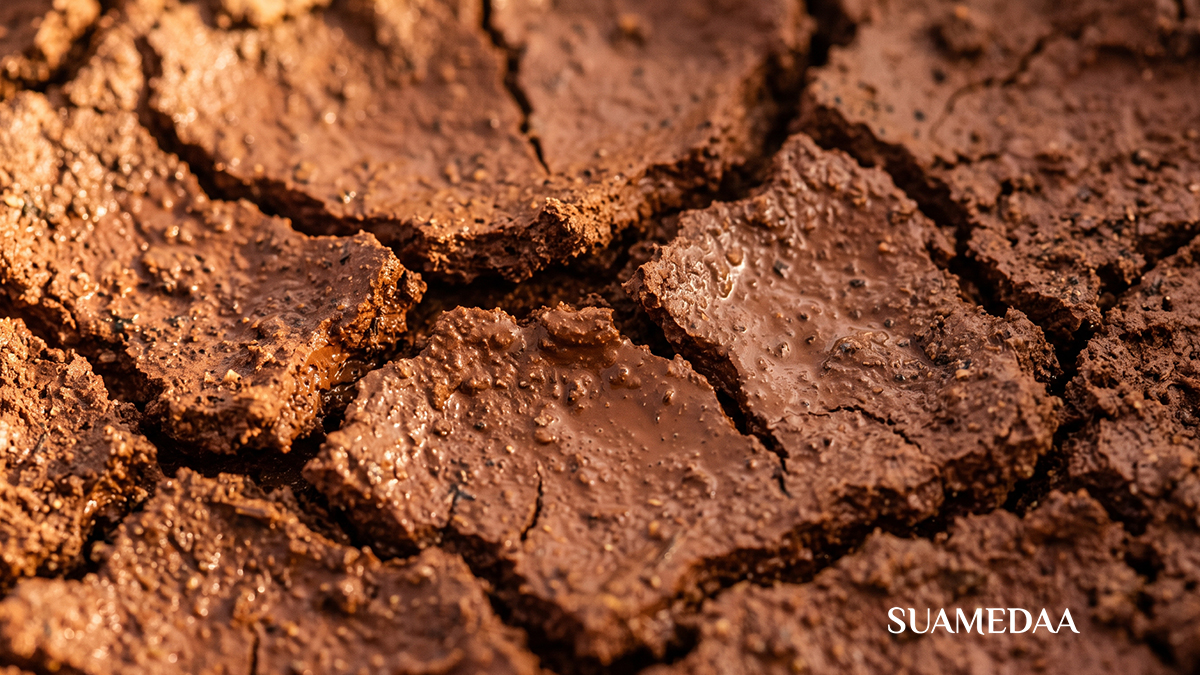
Clay is not a single substance. The word describes a family of fine-grained, hydrated aluminium silicate minerals, formed by the chemical weathering of silicate rocks over geological timescales, that share a layered crystalline structure and a set of physical properties that have made them uniquely useful to human beings: plasticity when wet, hardness when fired, an extraordinary capacity for adsorption and ion exchange, and an ability to swell, seal, and bind that no synthetic material of comparable cost can match.
A 2025 peer-reviewed publication in a materials science journal concluded that clay minerals find their use in industries including cement, agriculture, paper, paint, food, ceramics, petroleum, pharmaceuticals, and biomedicine, owing to their abundance, cost-effectiveness, and multifaceted roles. The global clay market was valued at 29.16 billion US dollars in 2025 and is projected to reach 40.26 billion by 2034, growing at a compound annual growth rate of 3.65 percent. The ceramics market, which depends on clay as its foundational raw material, was valued at 212.89 billion US dollars in 2024 and is expected to reach 397.87 billion by 2032.
This article covers every major application and benefit of clay across the full range of human uses, from the ancient to the frontiers of nanomedicine.


What Clay Is and How It Forms
Clay minerals are phyllosilicates: aluminium silicate minerals with a layered, sheet-like crystal structure built from repeating units of silicon-oxygen tetrahedra and aluminium-oxygen octahedra. This layered structure, with its large specific surface area and its capacity for water molecules and exchangeable cations to intercalate between the layers, is directly responsible for most of the properties that make clay industrially valuable.
Clay forms through the chemical weathering of feldspar and other silicate minerals in the presence of water and organic acids. The process is slow, requiring thousands to millions of years of sustained geological activity, and the specific clay mineral type that results depends on the parent rock, the climate, the intensity of leaching, and the drainage conditions of the weathering environment.
The primary clay mineral types of commercial significance are:
Kaolin, comprising minerals including kaolinite, halloysite, dickite, and nacrite, is white or off-white, with relatively low plasticity and swelling, high alumina content, and chemical inertness. It is the primary clay for ceramics, paper coating, and pharmaceutical applications, and is the most extensively mined clay mineral globally. The United States produced approximately 4.34 million metric tonnes of kaolin in 2023 according to the US Geological Survey.
Bentonite, composed primarily of the smectite mineral montmorillonite with variable impurities, is characterised by its extraordinary swelling capacity: sodium bentonite can absorb up to 10 times its dry weight in water and swell to 18 times its dry volume. This swelling, combined with high cation exchange capacity and colloidal properties, makes bentonite the most versatile clay for industrial sealing, drilling, environmental remediation, and binding applications. The bentonite segment is the fastest-growing clay type, with a CAGR of 5.6 percent over the forecast period to 2034.
Ball clay is a highly plastic, fine-grained kaolinitic clay with significant organic matter content that gives it outstanding workability and green strength. It is essential for the production of fine ceramics, floor tiles, and sanitaryware, where its plasticity allows complex shapes to be formed without cracking before firing.
Fire clay is a clay with high heat resistance, capable of withstanding temperatures above 1,500 degrees Celsius without melting or deforming. It is the primary raw material for refractory products: the linings of industrial furnaces, kilns, incinerators, and steelmaking vessels.
Fuller’s earth, which includes attapulgite (palygorskite) and other absorptive clay minerals, has exceptional absorptive and adsorptive properties and is used for bleaching, purification, and absorbing applications from pet litter to oil spill cleanup.
Sepiolite is a fibrous clay mineral with a high surface area and remarkable heat stability, used in speciality applications including high-temperature ceramics, lightweight building materials, and carrier materials for agricultural chemicals.
Illite is a non-swelling mica-like clay found abundantly in sedimentary rocks and soils, important in brick and cement manufacture and as a filler in paints and coatings. A 2025 study confirmed that illite-containing clay soil has a nutrient-holding capacity up to 100 times higher than kaolinite-dominant soil, reflecting the importance of clay mineral type in agricultural soil performance.
Construction and Building Materials
The construction sector is the largest single consumer of clay globally, accounting for the majority of the 29.16 billion dollar global clay market. The construction segment is projected to grow at the fastest CAGR of 5.8 percent over the forecast period to 2034, driven by urbanisation, infrastructure investment, and growing demand for sustainable building materials in emerging economies.
Bricks
Fired clay bricks are among the oldest and most widely produced building materials in the world, and they remain the dominant wall construction material in many parts of the world, including large parts of sub-Saharan Africa, South Asia, and Southeast Asia. A clay brick is formed by shaping plastic clay into a rectangular block and then firing it in a kiln at temperatures of 900 to 1,200 degrees Celsius, which sinters the clay particles together into a hard, durable, water-resistant material.



The properties that make clay bricks valuable for construction have not fundamentally changed since the first fired bricks were produced in Mesopotamia approximately 5,000 years ago: compressive strength sufficient for multi-storey construction, thermal mass that moderates internal temperatures in buildings without air conditioning, durability measured in centuries, fire resistance, and a material that is locally available and producible in most regions of the world. In West Africa, including Ghana and Nigeria, clay bricks are widely used in vernacular and formal construction, and there is growing interest in compressed stabilised earth blocks that combine clay soil with a small proportion of cement for improved strength and durability.
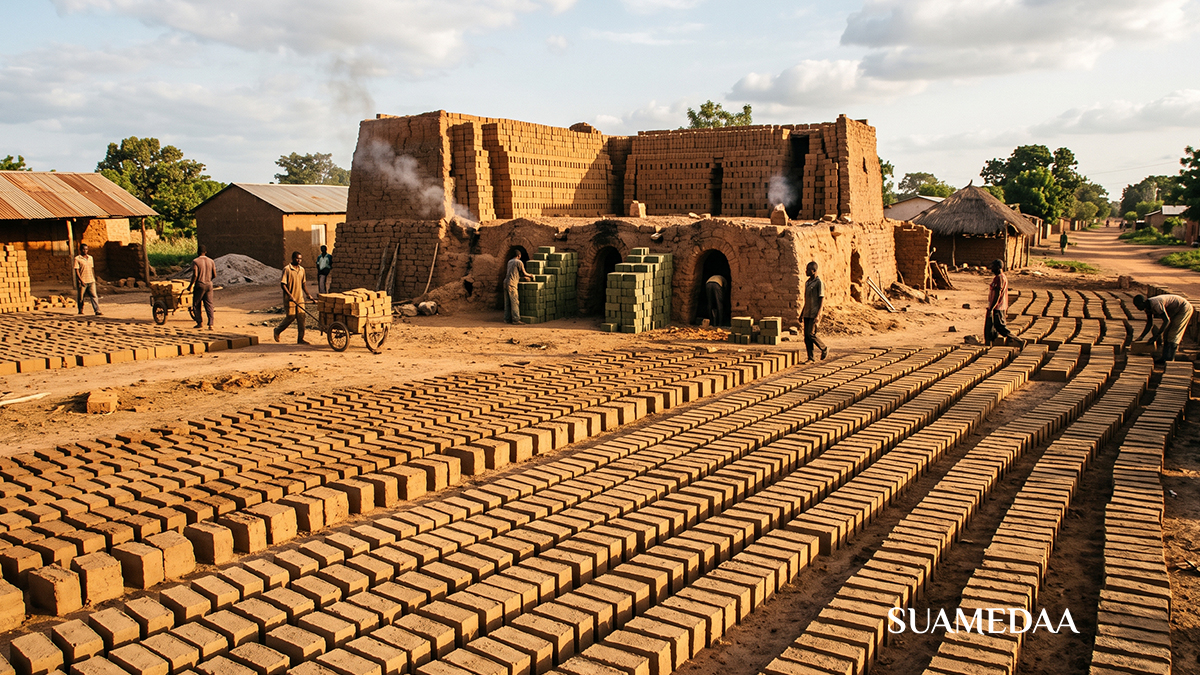
Adobe bricks, which are sun-dried rather than kiln-fired, represent the most ancient and most widely used low-energy building material in the world. Adobe construction is found across the Sahel, the Middle East, Central Asia, and the Americas, where the combination of abundant clay-rich soil, low rainfall, and the need for thermally comfortable buildings without energy inputs makes sun-dried clay bricks the most practical and sustainable building material available. Research in 2025 is actively exploring the enhancement of adobe construction with fibre reinforcement, natural stabilisers, and modern quality control approaches that maintain its sustainability advantages while addressing its susceptibility to erosion and water damage.
Roof Tiles and Drainage Products
Fired clay roof tiles have been used in Mediterranean, East Asian, and other architectural traditions for over 2,000 years. Their combination of durability, aesthetic quality, thermal properties, and compatibility with traditional architectural styles has sustained their use despite competition from concrete tiles, metal roofing, and synthetic alternatives. West African vernacular roof tile traditions are being revived in sustainable construction initiatives that use locally available clay and traditional firing methods to produce roofing materials that outperform imported alternatives in thermal performance and longevity.
Vitrified clay pipes, produced by firing at very high temperatures to achieve a vitreous (glassy) surface, are used for drainage, sewer systems, and chemical waste pipework where their chemical inertness, smoothness, and durability are required. Clay drain pipes resist attack by aggressive effluents including industrial acids and alkalis that would corrode alternative pipe materials, and their smooth vitrified interior surfaces minimise friction and resist the biological fouling that affects rough-bore alternatives.
Cement and Supplementary Cementitious Materials
Cement is the binder that holds concrete together, and clay minerals are central to its production. The calcium silicate phases that give Portland cement its strength are produced by calcining limestone and clay together at approximately 1,450 degrees Celsius in a rotary kiln, forming clinker that is then ground with gypsum to produce the finished cement powder.


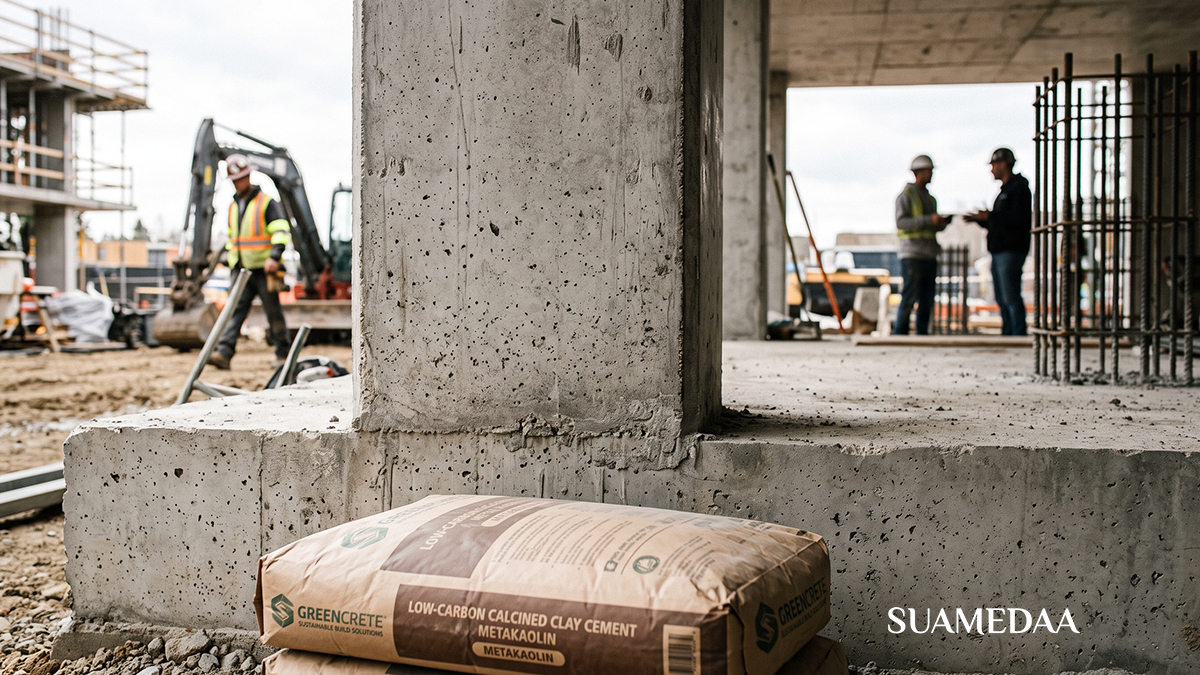
A major development in the 2020s has been the emergence of calcined clay as a supplementary cementitious material (SCM) that can replace a significant proportion of the clinker in concrete, reducing the carbon footprint of cement production. Conventional Portland cement clinker production is responsible for approximately 8 percent of global CO2 emissions, making it one of the most significant single industrial sources of greenhouse gas. Calcined clay, produced by heating kaolinitic clay to approximately 700 to 800 degrees Celsius, produces a highly reactive pozzolanic material called metakaolin that can substitute for 20 to 40 percent of the clinker in concrete without reducing its strength or durability.
This application gained significant momentum in January 2025 when Thyssenkrupp Polysius secured a front-end engineering design contract from Circlua to construct the world’s largest activated clay plant in Brazil, specifically aimed at improving the CO2 footprint of cement production. The LC3 (Limestone Calcined Clay Cement) technology, developed through an international research consortium, enables clinker substitution of 50 percent using a combination of calcined clay and limestone, reducing cement’s CO2 emissions by approximately 40 percent. As the construction industry faces mounting pressure to decarbonise, calcined clay is positioning itself as one of the most practical and widely available solutions, given that suitable kaolinitic clays are found in most regions of the world.
Floor and Wall Tiles
Ceramic floor and wall tiles are one of the highest-volume clay-derived products in the global economy, used in residential, commercial, and public building applications across every climate and income level. The global ceramics market driven significantly by tiles was valued at 212.89 billion US dollars in 2024. Production of ceramic tiles requires ball clay for plasticity, kaolin for whiteness, and various other clays and non-clay minerals for specific performance properties.
The ability of ceramic tiles to withstand moisture, staining, mechanical wear, and chemical exposure while maintaining their appearance indefinitely makes them the dominant flooring material in tropical and subtropical climates, including across West Africa, where their durability and ease of cleaning in hot, humid conditions gives them practical advantages over alternatives including wood, carpet, and vinyl.
Sanitary Ware
Toilets, sinks, bathtubs, and other bathroom fixtures are produced from vitreous china, which is a high-fired ceramic body made from a blend of kaolin, ball clay, feldspar, and quartz. The production of sanitary ware depends critically on the plasticity of ball clay, which allows complex shapes to be slip-cast in plaster moulds, and on the high firing temperatures that produce a dense, glassy, non-porous body resistant to the bacterial colonisation that would occur in a porous alternative.
Geotechnical and Civil Engineering
Bentonite clay is essential in geotechnical and civil engineering for groundwater control and containment applications. Its swelling capacity and extremely low permeability when hydrated make it the ideal material for:
Slurry walls and diaphragm walls, where a slurry of bentonite and water is pumped into excavated trenches to stabilise the trench walls during digging and then displaced by the concrete or grout that forms the final barrier wall. These techniques are used in the construction of underground car parks, tunnels, metro systems, and deep basements in urban environments.
Geosynthetic clay liners (GCLs), which are engineered composite materials consisting of a layer of granular sodium bentonite sandwiched between geotextile layers. GCLs are used as low-permeability barriers in landfill liners, pond liners, and containment systems for contaminated sites, where their self-healing properties, which close punctures and cracks as the bentonite swells in contact with water, give them advantages over single-material barrier systems.
Foundation sealing, grouting, and dam and reservoir sealing, where bentonite grout injected into the ground or into the foundations of hydraulic structures provides a water-tight barrier against seepage.
Ceramics and Traditional Crafts
Ceramics, in the broadest sense, encompasses all objects made by forming clay and then hardening it by heat, and it is one of the oldest and most culturally significant uses of clay in human history. The range of ceramics produced from clay spans earthenware, stoneware, porcelain, bone china, technical ceramics, and bioceramics, each with specific properties determined by the clay type, the firing temperature, and the other minerals added to the clay body.
Earthenware and Traditional Pottery
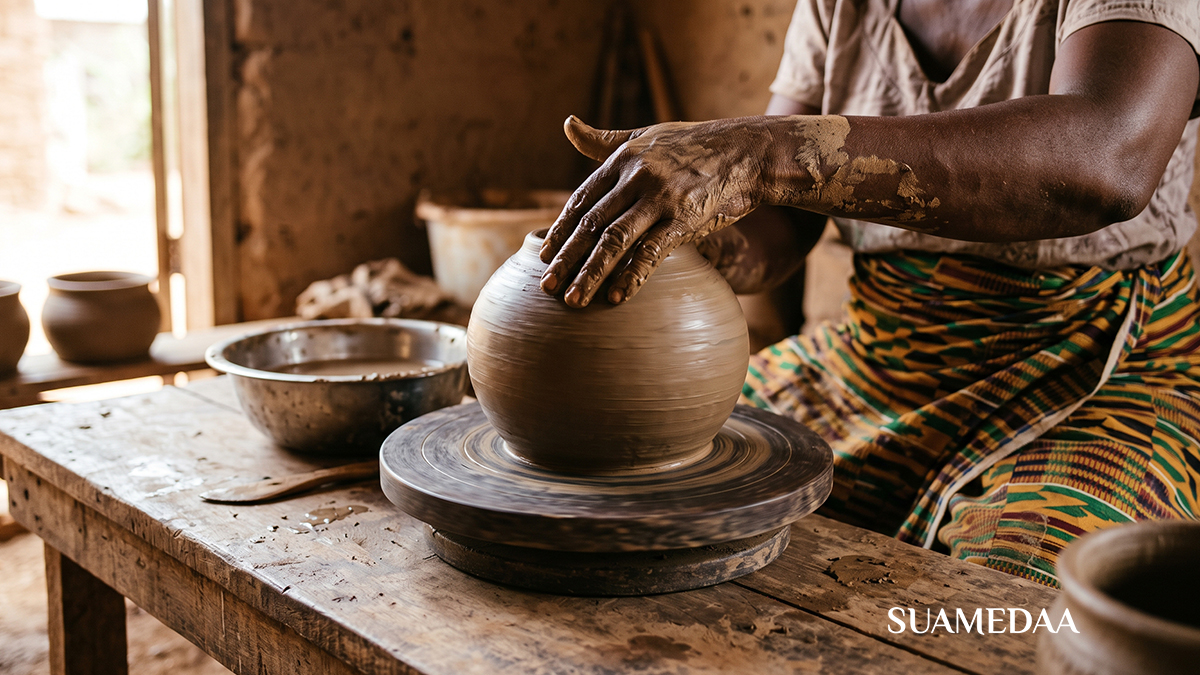
Earthenware is fired at relatively low temperatures of 900 to 1,150 degrees Celsius and produces a porous ceramic body that absorbs water unless glazed. It is the oldest ceramic tradition in the world and remains the dominant ceramic tradition in much of sub-Saharan Africa, where hand-built or wheel-thrown earthenware vessels are produced by potters in communities across the continent for cooking, water storage, food preparation, and ceremonial uses.
The thermal properties of unglazed clay cooking pots, which allow them to be placed directly on an open fire and which impart specific flavour characteristics to food cooked in them, have sustained their use in traditional cooking across West Africa, East Africa, and South Africa despite the availability of metal and plastic alternatives. Clay water storage vessels exploit the porosity of earthenware to keep water cool through evaporative cooling, a function that makes them genuinely superior to sealed containers in the absence of mechanical refrigeration.
West African pottery traditions represent some of the richest and most technically sophisticated ceramic craft traditions in the world. Ghanaian pottery, particularly from communities in the Brong-Ahafo Region and the Upper East Region, uses local clay sources to produce a range of functional and ceremonial vessels that reflect both technical skill and cultural knowledge accumulated over generations.
Porcelain and Fine Ceramics
Porcelain is produced by firing a body of kaolin, feldspar, and quartz at temperatures of 1,250 to 1,400 degrees Celsius, producing a dense, white, translucent ceramic of exceptional mechanical strength, chemical resistance, and aesthetic quality. It is used for tableware, decorative objects, electrical insulators, dental prosthetics, and laboratory equipment.
Bone china, which is the standard for premium European tableware, adds calcined bone ash to the porcelain body, producing a translucent, creamy-white ceramic of greater whiteness and translucency than standard porcelain. The specific quality of kaolin is critical to the brightness and translucency of finished porcelain: paper-grade kaolin prized for its whiteness is also valued in ceramics production.
Technical and Advanced Ceramics
Beyond traditional domestic and artistic ceramics, clay-derived materials are used in technical ceramics for demanding engineering applications where combinations of properties unavailable in metals or polymers are required. High-alumina ceramics, mullite ceramics, and cordierite ceramics, all derived from clay-based raw materials, are used in:
Spark plug insulators, where alumina ceramic must withstand the extreme temperatures and voltages of the ignition environment.
Catalytic converter substrates, where cordierite honeycomb ceramics provide the heat-resistant, low-thermal-expansion structure on which precious metal catalysts are supported.
Cutting tool inserts, where alumina-based ceramic tools offer hardness and heat resistance superior to conventional carbide tools for the machining of hardened steels and cast irons.
Electronic substrates and packaging, where the electrical insulation, thermal conductivity, and dimensional precision of ceramic materials make them essential in microelectronics.
Bioceramics
Bioceramics are ceramic materials designed specifically for implantation in the human body, where they must be biocompatible, non-toxic, and capable of integrating with biological tissue. Hydroxyapatite, the mineral form of calcium phosphate that is the primary mineral component of bone, can be synthesised and processed into ceramic implants, coatings, and scaffolds for bone repair and replacement.
Kaolin and clay-derived alumina ceramics are used in dental prosthetics including crowns, bridges, and implant abutments, where their whiteness, strength, and biocompatibility make them the preferred aesthetic restoration material. The ceramics market report for 2024 noted increasing demand for biocompatible ceramics implemented in the medical sector for surgical bone implants, tooth replacement, and bone reconstruction as a key growth driver.
Paper and Printing
Kaolin clay is the second most important mineral in paper manufacturing after wood pulp, used both as a filler within the paper body and as a coating on the paper surface. The global paper industry is the largest single consumer of kaolin, and this application alone justifies kaolin’s position as the commercially dominant clay mineral by volume.
As a filler, finely ground kaolin is added to the paper pulp slurry before sheet formation, where it fills the spaces between cellulose fibres, improving the smoothness, opacity, and printability of the paper while reducing the amount of more expensive cellulose fibre required per tonne of finished product. Kaolin filler can constitute 15 to 30 percent of the weight of printing and writing papers.
As a coating, a slurry of fine-particle kaolin, along with binders and other additives, is applied to the surface of paper at the wet end or dry end of the paper machine, or in a separate offline coating operation. Coated papers have a smooth, bright, uniform surface that accepts printing ink with excellent definition and colour reproduction. The glossy, ultra-smooth surfaces of art paper, magazine paper, and high-quality commercial printing papers are all produced by kaolin coating. The whiteness and platiness of kaolin particles, which orient themselves parallel to the paper surface under the shear forces of coating, are specifically suited to creating the smooth, light-reflective surface required for high-resolution printing.
The papermaking application of kaolin is sensitive to the specific particle size, whiteness, and crystal morphology of the clay. Delaminated kaolin, in which the stacked kaolinite platelets are separated into thin individual sheets, produces a particularly smooth and glossy paper coating surface. Calcined kaolin, which has been heated to drive off the chemically combined water and increase its whiteness and opacity, is used as a premium filler and coating pigment in high-brightness papers.
Oil and Gas: Drilling Muds
Bentonite clay is a fundamental component of the drilling muds used in oil and gas well drilling. When a drill bit is cutting through rock thousands of metres below the surface, the drilling operation requires a circulating fluid that simultaneously lubricates and cools the drill bit, carries rock cuttings from the drill face to the surface, controls the pressure of subsurface fluids to prevent well blowouts, and stabilises the walls of the borehole to prevent collapse.
Bentonite-water drilling mud serves all of these functions. The swelling of bentonite in water produces a thixotropic colloidal suspension: a fluid that flows easily when shear stress is applied (allowing it to be pumped down the drill string) but gels at rest (suspending rock cuttings and preventing them from settling when circulation stops). The filter cake formed by bentonite on the borehole wall reduces fluid loss into the formation and seals the wall against collapse. The density of the bentonite slurry can be controlled to provide hydrostatic pressure that balances the pressure of formation fluids.
API (American Petroleum Institute) drilling-grade bentonite is produced to stringent specifications for yield, viscosity, filtration, and residue, ensuring predictable performance in drilling operations. The bentonite segment’s strong growth CAGR of 5.6 percent over the forecast period reflects sustained oil and gas activity alongside the expanding applications of bentonite in environmental and construction sectors.
Kaolin and bentonite are also used in oil refining: acid-activated bleaching earth derived from bentonite and fuller’s earth is used to decolour and purify vegetable oils, mineral oils, and petroleum fractions, removing colour bodies, gums, and other impurities through adsorption. This application accounts for significant volumes of activated clay consumption globally.
Agriculture and Soil Science
Clay is fundamental to soil fertility and agricultural productivity, functioning both as an essential component of the soil system and as a material applied deliberately to soils to improve their properties.
Clay Minerals as Soil Components
Clay minerals are the most chemically active component of soil, responsible for the soil’s cation exchange capacity (CEC), the ability to hold and release plant-available nutrients. Positively charged nutrient ions including potassium, calcium, magnesium, ammonium, and trace metals are attracted to the negatively charged surfaces of clay mineral particles and held there against leaching by rainfall, while remaining exchangeable by the roots of growing plants. Without an adequate clay mineral component in soil, nutrients applied as fertiliser leach out of the root zone rapidly, reducing fertiliser efficiency and contributing to water pollution.
A 2025 study confirmed that illite-containing clay soils have a nutrient-holding capacity 100 times higher than kaolinite-dominant soils, while bentonite-containing soils have very high CEC values. This enormous range in clay mineral quality for agricultural purposes reflects the importance of soil clay mineralogy, which is rarely considered in conventional soil fertility assessments that measure total clay content without distinguishing mineral type.
Clay minerals also control water retention in soil: clay particles hold water in the micro-pores between their layers and on their surfaces, releasing it gradually to plant roots during dry periods. This water retention function is critical in the tropics, where seasonal rainfall patterns produce extended dry periods between rains, and where sandy soils without adequate clay content drain too rapidly to support continuous crop growth. At the same time, excessive clay in poorly drained soils can create waterlogging and compaction problems that reduce root growth and aeration.
Clay as an Agricultural Amendment
Bentonite and other high-CEC clays are applied as soil amendments to sandy and degraded soils to improve their water retention, nutrient holding capacity, and structure. The application of bentonite clay to highly sandy soils in semi-arid regions has been shown to significantly increase crop yields by improving the soil’s ability to retain both water and nutrients between irrigation or rainfall events.
In market garden soils that have lost their clay content through intensive cultivation and erosion, the addition of bentonite or montmorillonite at rates of several tonnes per hectare can restore water retention and CEC to levels that support productive horticulture without the need for frequent irrigation.
A 2025 study showed that amending clay soil with biochar increased the Soil Quality Index by 33 percent, and the combination of clay minerals and biochar amendment is emerging as a promising approach for restoring degraded tropical soils, where both the organic matter and clay mineral components of the original soil structure have been lost through decades of conventional tillage and burning.
Fungicides and Pest Control
Organically modified clays and clay-based formulations are used as carriers for agricultural fungicides and pesticides, delivering active ingredients in controlled-release formulations that extend the period of protection while reducing the total quantity of chemical applied per treatment. The adsorptive properties of clay minerals allow them to capture and slowly release agrochemical active ingredients in response to moisture and soil conditions, improving the efficiency of crop protection chemistry.
Kaolin clay applied directly to the surfaces of fruit trees as a fine white powder acts as a physical barrier against insect pests and sunburn, a technique called kaolin particle film technology. The white clay film on the treated surface repels insects by altering the visual and tactile cues they use to identify host plants, while the reflective surface reduces fruit temperature in hot conditions, improving fruit quality. This technique has been adopted in organic fruit production where conventional pesticide use is restricted.
Medicine and Therapeutics
Clay minerals have been used for healing since the earliest recorded history. References to the therapeutic use of clay appear in the writings of Aristotle in the fourth century BC and Pliny the Elder in the first century AD, who documented its use for healing skin ailments and supplementing nutrition. The practice of geophagy, eating earth or clay, has been documented across cultures from ancient Egypt and Rome to indigenous communities in West Africa, the Americas, and Southeast Asia, typically driven by clay’s capacity to adsorb toxins in the digestive tract and to supply minerals.
Wound Healing
Clay minerals’ wound-healing properties have been substantiated by a substantial body of modern research. A 2025 systematic review of clay minerals used in wound-healing formulations, published in a leading pharmaceutical journal, found that the most commonly used clay minerals for wound healing, halloysite nanotubes and montmorillonite, accelerated hemostasis (stopping of bleeding), reduced inflammation, stimulated cell proliferation, and enhanced tissue remodelling when incorporated into pharmaceutical films, hydrogels, electrospun nanofibers, sponge forms, membranes, powders, patches, and creams.
Kaolin-based haemostatic materials exploit kaolin’s activation of the coagulation cascade (the clotting process) to accelerate bleeding control in both medical and wound-care applications. QuikClot Combat Gauze, a kaolin-impregnated wound dressing used by military medical teams, activates clotting factors on contact with blood and dramatically reduces the time to hemostasis in traumatic injuries. Research published in Heliyon in January 2024 demonstrated that kaolinite-chitosan nanocomposites incorporating zinc oxide and manganese dioxide nanoparticles produced biocompatible wound dressings with significantly improved antibacterial efficiency and cell survival rates above 90 percent, supporting their use in post-operative wound care.
Clay minerals have also been found to have inherent antimicrobial activity against bacterial pathogens including Escherichia coli and MRSA (methicillin-resistant Staphylococcus aureus), with French green clays (iron-rich smectites) demonstrating particular effectiveness attributed to the release of soluble iron and other metal ions in concentrations lethal to bacteria. The antimicrobial and wound-healing properties of clay minerals are being harnessed in the development of next-generation wound dressings for drug-resistant infections.
Gastrointestinal Applications
Kaolin has been used as an antidiarrhoeal and gastrointestinal protectant for well over a century. Kaolin-pectin preparations such as Kaopectate were standard treatments for diarrhoea in many countries for decades. The mechanism involves the adsorption of bacterial toxins, viruses, and irritant substances onto the clay surface in the gut, reducing their contact with the gut wall and their systemic absorption, alongside a mild constipating effect.
Bentonite clay consumed orally adsorbs aflatoxins, the carcinogenic mycotoxins produced by Aspergillus mould on grain and groundnut crops that are a significant food safety concern in tropical Africa and other regions. A 2017 review highlighted clinical evidence that oral bentonite clay significantly reduced aflatoxin biomarkers in exposed populations. Calcium montmorillonite clay marketed as a dietary supplement has been clinically shown to bind aflatoxins in the gut, reducing their absorption and the associated liver cancer and immune suppression risks. This application has particular relevance for communities in West Africa, where aflatoxin contamination of maize and groundnuts is a persistent food safety challenge.
A 2017 review also highlighted clinical evidence that bentonite clay at 3 grams three times daily for eight weeks reduced global irritable bowel syndrome symptoms and severity of intestinal secretion and mucosal irritation.
Skin and Cosmetic Applications
Clay minerals are among the most widely used ingredients in cosmetic and skincare formulations, present in face masks, cleansers, body wraps, anti-acne products, and mineral foundations. Their function in cosmetics exploits their adsorptive capacity, their mild abrasive texture, their ability to absorb excess sebum, and their soothing effect on inflamed skin.
Kaolin and bentonite clay face masks are among the most popular skincare products globally, used for deep cleansing, pore minimisation, and oil control. A 2023 clinical trial involving 60 participants with oily and acne-prone skin evaluated a bentonite clay-based mask applied twice weekly for four weeks, demonstrating significant reductions in acne lesions including 46.44 percent reduction in closed comedones and 65.77 percent in open comedones, alongside a 29.90 percent decrease in sebum content at week four. These results represent clinically meaningful improvements achieved through a natural material with an excellent safety profile.
Fuller’s earth and French green clay are used in cosmetic clay masks marketed for their detoxifying and oil-absorbing properties. The high adsorptive capacity of these clays removes excess sebum, environmental pollutants, and cellular debris from the skin surface more effectively than simple cleansing.
Manganese violet, an inorganic manganese-based pigment derived from clay mineral processing, has near-universal use in cosmetics as described in the companion article on manganese. Kaolin itself is used as an opacifying agent, texturiser, and absorbent in powder cosmetics, foundations, and dry shampoos, where its fine particle size, whiteness, and silky texture contribute to the feel and coverage of the product.
Clay in Drug Delivery and Cancer Theranostics
The most scientifically exciting frontier in clay medicine in 2025 is the use of clay minerals as nanoscale drug delivery vehicles for cancer treatment and other applications. A comprehensive review published in Advances in Colloid and Interface Science in December 2025 examined clay-based nanomaterials including montmorillonite, halloysite, kaolin, and laponite as smart drug delivery platforms for anticancer therapeutics, noting that clay nanocarriers enhance drug solubility and stability and show strong potential for precision oncology.
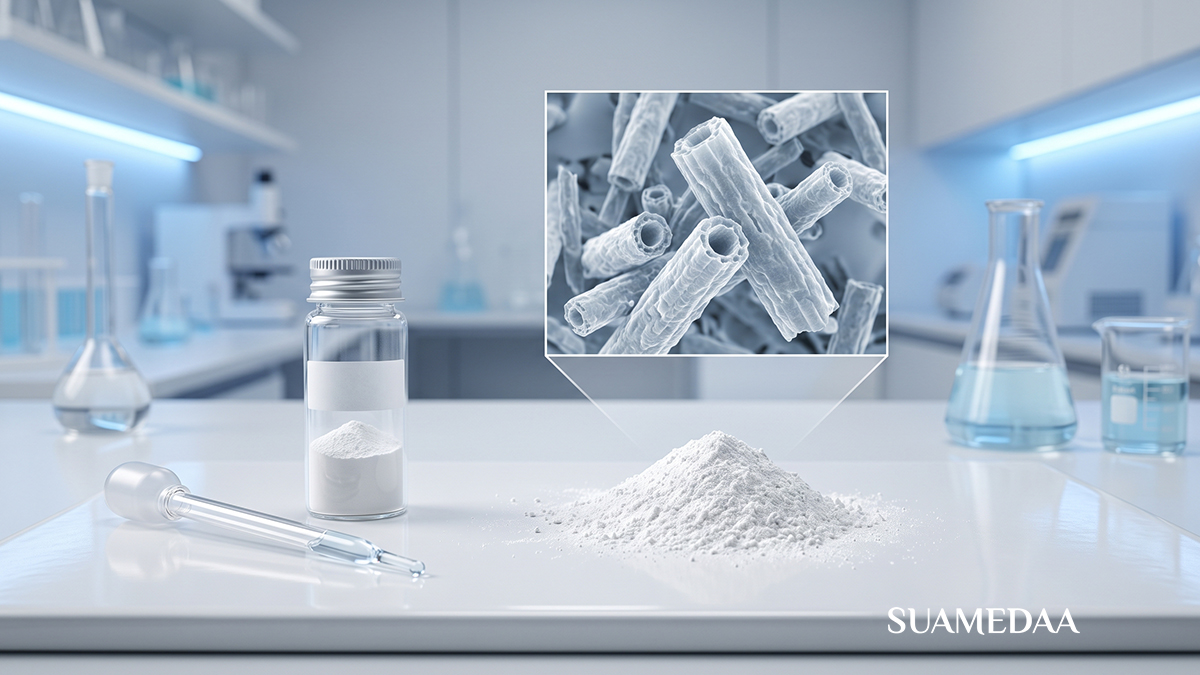
Halloysite nanotube clay, a naturally occurring tubular form of kaolinite with an inner lumen diameter of approximately 15 nanometres and outer diameter of 50 to 70 nanometres, acts as a natural nanotube that can be loaded with drug molecules in its hollow interior and surface-modified to target specific cell types. Research published in ACS Applied Bio Materials in 2025 highlighted the emerging role of halloysite clay nanotube formulations in cosmetics and topical drug delivery, with the tubular structure allowing sustained release of active ingredients into the skin.
Montmorillonite’s layered structure allows drugs to be intercalated between the clay layers, producing formulations with controlled release characteristics that conventional dosage forms cannot achieve. A 2026 PMC publication on montmorillonite in next-generation drug delivery documented patent trends and industrial advances confirming that montmorillonite-based drug delivery systems have moved from research toward commercial pharmaceutical application.
A 2025 systems-based review on calcium montmorillonite clay reported osteogenic effects including enhanced alkaline phosphatase activity and upregulation of osteoblast differentiation genes (RUNX2 gene showing a 2.5-fold increase), supporting its potential in bone health applications including scaffolds for regenerative medicine. This represents the convergence of ancient medicinal clay use with cutting-edge biomaterial science.
Environmental Applications
Clay minerals are essential tools in environmental management, deployed for waste containment, water purification, soil remediation, and pollution control.
Waste Containment and Landfill Liners
Bentonite clay is the preferred material for low-permeability liners and caps in engineered landfill sites. Its swelling capacity, which self-heals cracks and punctures when the clay is hydrated, and its hydraulic conductivity in the compacted state that can be as low as 10 to 12 metres per second make it virtually impermeable to liquid and gas migration. Compacted bentonite liners and geosynthetic clay liners containing bentonite are used in municipal solid waste landfills, hazardous waste facilities, and tailings storage facilities to prevent leachate from contaminating groundwater.
Bentonite is also used as a barrier material for the geological disposal of nuclear waste in several national programmes, including programmes in Finland, Sweden, and Switzerland, where bentonite is the proposed buffer material surrounding waste canisters in deep geological repositories. The ability of compacted bentonite to swell into any voids and its capacity for adsorbing radioactive nuclides through ion exchange are key properties for this extremely long-term containment application.
Water Treatment and Purification
Activated clay, particularly acid-activated bentonite and fuller’s earth, is used for the purification of water and effluents through adsorption of organic pollutants, heavy metals, coloured compounds, and suspended solids. Municipal water treatment plants use clay-based coagulation and flocculation processes to remove turbidity and colloidal matter from raw water.
Bentonite added to turbid water produces flocculation: the clay particles aggregate with suspended solids, sediment, and colloidal matter, forming a floc that settles rapidly and carries the suspended material out of the water column. This process has been used for water clarification in traditional and modern water treatment systems.
Clay minerals, particularly halloysite and montmorillonite, are being studied intensively for the remediation of heavy metal-contaminated water and soils, exploiting their high cation exchange capacity and surface area to adsorb lead, cadmium, arsenic, and other toxic metals from contaminated environments. Bentonite’s ability to both adsorb heavy metals and provide a physical barrier against their migration makes it a dual-function remediation material.
Contaminated Soil Remediation
Bentonite injected into contaminated subsurface environments as a grouting material stabilises and immobilises contaminants including petroleum hydrocarbons, chlorinated solvents, heavy metals, and radionuclides, preventing their migration to groundwater. This in situ stabilisation technology is used at contaminated industrial sites, former petrol stations, and military facilities where excavation and ex situ treatment of contaminated soil would be impractical or prohibitively expensive.
Food Processing and Safety
Clay minerals serve several functions in food processing and food safety, from clarifying beverages to adsorbing mycotoxins that contaminate food crops.
Bentonite fining is a standard technique in winemaking for the clarification and stabilisation of wine. Bentonite added to wine adsorbs proteins that would otherwise cause hazing in the bottle, removing them by flocculation and settling. The process is reversible in the sense that the bentonite settles out completely, leaving the clarified wine above a compact sediment that is removed by racking. Bentonite fining is also used in juice clarification, beer production, and the processing of fruit concentrates.
Activated bentonite and fuller’s earth are used as bleaching earth for the purification of edible oils including palm oil, sunflower oil, and soya oil, as described in the oil refining application above. This removes colour, odour, and stability-reducing contaminants from crude vegetable oils to produce the clear, stable refined oils used in food manufacturing and domestic cooking.
The adsorption of mycotoxins in the gut by clay minerals has been discussed above in the context of bentonite clay as an anti-aflatoxin agent. Calcium montmorillonite and other high-CEC clays are also approved for use as adsorbent anti-caking agents in animal feed, where they both improve the flowability of powdered feed ingredients and reduce the bioavailability of mycotoxins in contaminated feed grain.
Paint and Coatings
Clay minerals are essential components of paint and coating formulations, serving as extender pigments, rheology modifiers, and functional additives. Kaolin, illite, and bentonite are among the most widely used mineral fillers in waterborne and solvent-based paints.
Kaolin in paint provides opacity, whiteness, and surface smoothness at lower cost than titanium dioxide pigment, extending the expensive white pigment while maintaining coverage and colour quality. Its platiness allows oriented packing in the dried paint film, which reduces porosity and improves barrier properties.
Bentonite and organically modified bentonite are used as rheology modifiers in paints: they provide a yield stress that prevents settling of heavy pigment particles during storage and gives the paint a pseudoplastic behaviour that allows it to be applied easily with a brush or roller but then resist sagging on vertical surfaces after application. This thixotropic behaviour is essential in thick, high-build architectural paints and in industrial coatings applied to vertical or overhead surfaces.
Attapulgite clay is used as a rheology modifier in solvent-based paints where bentonite does not function effectively, and is also used as an anti-settling agent in liquid formulations across industries from agricultural chemicals to lubricants and adhesives.
Plastics, Rubber, and Composites
Clay minerals, particularly organically modified montmorillonite nanoclays, have become important components of polymer nanocomposites that offer significantly improved mechanical, barrier, thermal, and fire-retardant properties compared to conventional filled polymers.
Nanoclay composites, in which individual clay platelets are dispersed at the nanoscale within a polymer matrix rather than existing as micron-scale agglomerates, offer dramatically improved properties even at very low clay loadings of 2 to 5 percent by weight. Exfoliated nanoclay composites show improvements in tensile strength, modulus, heat distortion temperature, gas barrier performance, and fire retardancy. These improvements stem from the enormous specific surface area of individual clay platelets, approximately 700 square metres per gram for montmorillonite, and the tortuous diffusion path created by the aligned platelets for gas and vapour molecules trying to permeate through the polymer matrix.
Nanoclay composites are used in packaging films where improved oxygen and moisture barrier performance extends food shelf life, in automotive components where improved mechanical properties allow weight reduction, in nylon tyres where improved gas barrier performance reduces air permeation through the tyre wall, and in flame-retardant formulations where the clay provides a physical barrier that slows the combustion of the polymer matrix.
Unmodified kaolin and calcined kaolin are used as conventional fillers in rubber and plastics to reduce cost and modify physical properties, providing reinforcement, improved dimensional stability, and surface characteristics at lower cost than conventional silica or carbon black fillers.
Traditional Art, Sculpture, and Cultural Heritage
Clay as an artistic medium spans the entire history of human creative expression, from the earliest figurines and cave decorations to contemporary ceramic art installations. The global ceramic art and craft sector represents a multi-billion-dollar creative economy, and the communities of potters, ceramic artists, and craft producers working with clay number in the millions worldwide.
Terracotta, from the Italian for cooked earth, is the generic name for unglazed, low-fired earthenware ceramic in the characteristic orange-red colour produced by the iron content of common clay. Terracotta has been used for sculpture, architectural ornament, roof tiles, drainage, and decorative objects across Mediterranean, African, Asian, and pre-Columbian American civilisations. Ghana’s rich tradition of terracotta sculpture, including the famous Akan terracotta funeral and commemorative heads, represents one of the most sophisticated figurative ceramic traditions in Africa.
Paper clay, developed in the late 20th century as a studio ceramic material, incorporates processed cellulose fibre into the clay body, dramatically improving its workability and resistance to cracking. Paper clay has opened new possibilities for large-scale ceramic construction, extremely thin-walled forms, and the joining of wet to dry clay that would be impossible with conventional clay bodies.
Sculptor’s clay and modelling clay in both oil-based and water-based forms are essential materials for professional sculptors, architectural model-makers, animation figure-makers, and educational art programmes. The plasticity of clay, its ability to be worked, re-worked, smoothed, and textured indefinitely, makes it unmatched as a medium for three-dimensional design and sculptural exploration.
Foundry and Metal Casting
Clay plays an essential role in metal casting through its use as a binder in green sand moulding systems. Green sand is a mixture of silica sand, bentonite clay, water, and additives used to make the sand moulds into which molten metal is poured in the production of castings. The bentonite clay binds the sand grains together, providing the mould with the strength, dimensional stability, and thermal resistance needed to contain and shape the liquid metal during pouring and solidification.
Foundry-grade bentonite is optimised for green sand performance: it must provide high wet and dry strength for mould handling, thermal stability for contact with molten iron and steel at temperatures exceeding 1,400 degrees Celsius, good deformation characteristics that allow the mould to yield slightly as the metal contracts during solidification without cracking, and easy reclamation from the used sand for recycling within the foundry system.
Iron ore pelletising is another major bentonite application in metal production. Finely ground iron ore concentrate is too fine to be charged directly into a blast furnace, where it would block the air flow needed for combustion. Bentonite is added as a binder to the moist iron ore concentrate, and the mixture is tumbled in a pelletising disc or drum to form green pellets of uniform size that are then indurated (hardened) by heating to produce fired pellets suitable for direct use as blast furnace feed.
Safety, Absorption, and Consumer Products
Fuller’s earth and other highly absorbent clay minerals are the primary component of cat litter, one of the highest-volume consumer applications of clay. Absorbent clay litter works by absorbing the liquid and odour-producing compounds from cat urine and faeces, producing a dry, manageable, easily disposable waste product. Clumping cat litters use sodium bentonite, which absorbs moisture and forms a coherent clump that can be scooped from the tray, leaving unused litter behind.
Pet litter and industrial absorbents based on attapulgite, bentonite, and fuller’s earth are also used for spill control in industrial settings, where their high liquid absorption capacity and non-reactive nature make them effective absorbers of oil, chemical spills, and other liquid hazards. Oil-dry and similar granular clay absorbents are standard equipment in automotive workshops, manufacturing facilities, and emergency response kits.
The Future of Clay: Nanotechnology and Beyond
The most transformative recent development in clay science is the re-engineering of clay minerals at the nanoscale to produce materials with properties far beyond those of conventional bulk clay. The development of dissociation and exfoliation technology has transformed clay minerals from single mineral materials to multifunctional nanomaterials applicable in medicine, food safety, agriculture, pigments, energy storage, environmental remediation, catalysis, hydrogen production, and CO2 degradation.
Clay nanoparticles are being developed for applications including:
Halloysite nanotube-based sustained-release systems for topical skincare and pharmaceutical delivery, as documented in ACS Applied Bio Materials in 2025.
Montmorillonite nanocarriers for cancer chemotherapy, photodynamic therapy, and immunotherapy, where the clay provides both a drug loading and sustained release platform and a diagnostic imaging contrast capability.
Clay-based nanocomposites for bone tissue engineering, where montmorillonite-polymer scaffolds promote osteoblast differentiation and bone mineralisation as confirmed in 2025 research.
Clay-based adsorbents for CO2 capture from industrial emissions, exploiting the large surface area and chemical modification capacity of clay nanomaterials for carbon capture applications.
Clay-mineral photocatalysts for environmental remediation and hydrogen production, where clay provides a stable support structure for photocatalytic nanoparticles.
Energy storage applications, where clay minerals are being explored as components of electrode materials and separators in batteries and supercapacitors.
The convergence of ancient clay material with 21st-century nanotechnology represents one of the most promising intersections of natural resource abundance with advanced materials science, offering the prospect of high-performance functional materials produced from one of the earth’s most widely distributed and lowest-cost raw materials.
From the First Brick to the Nanotube
There is something profoundly appropriate about the fact that the material from which the first human settlements were built, from which the first writing was pressed, from which the first pots were shaped to carry water and food, is now being engineered into nanotube drug delivery vehicles that seek out and destroy cancer cells.
Clay has been with us since the beginning. It has served as shelter, vessel, medium, medicine, and metaphor throughout the full span of recorded human history. It has absorbed our toxins, carried our words, fired our kilns, built our walls, taught our children, healed our wounds, and held our water. It continues to do all of these things today, and in the nanotechnology laboratories of 2025 it is being asked to do things that would have been inconceivable to the potters and healers of antiquity.
The global clay market at 29 billion US dollars and growing is the economic expression of what ancient communities knew empirically: clay is one of the most useful substances the earth provides. Its applications are not narrowing with modernity. They are expanding, reaching into the molecular and nanoscale dimensions of material science while simultaneously sustaining the construction, ceramic, agricultural, and healing traditions that have characterised human use of clay for ten thousand years.
Clay is everywhere, it costs almost nothing, and it does almost everything. That combination, in a world looking for abundant, affordable, sustainable solutions to material challenges at every scale from the construction of affordable housing to the delivery of cancer therapy, may prove more valuable in the 21st century than in any that came before it.