Introduction to Akan
Akan is one of the most widely spoken languages in West Africa, serving as the mother tongue and cultural anchor for millions of people in Ghana and parts of Ivory Coast. More than just a means of communication, Akan carries within it centuries of history, philosophy, and tradition, expressed through its proverbs, names, symbols, and oral literature.
Origins and Classification
Akan belongs to the Kwa branch of the Niger Congo language family, a group that includes many languages spoken across the coastal and forest regions of West Africa. It is the principal language of the Akan people, an ethnic group that includes the Asante, Fante, Akuapem, Akyem, Bono, and several other subgroups, each with its own dialect that falls under the broader Akan umbrella.
The two most prominent dialects are Asante Twi and Fante, though Akuapem Twi also holds significant literary and historical importance since it was among the first Akan dialects to be reduced to writing by missionaries in the nineteenth century. Despite dialectal differences, speakers of Twi and Fante can generally understand one another, and the standardized written form used in schools and media draws heavily from both.


Where Akan Is Spoken
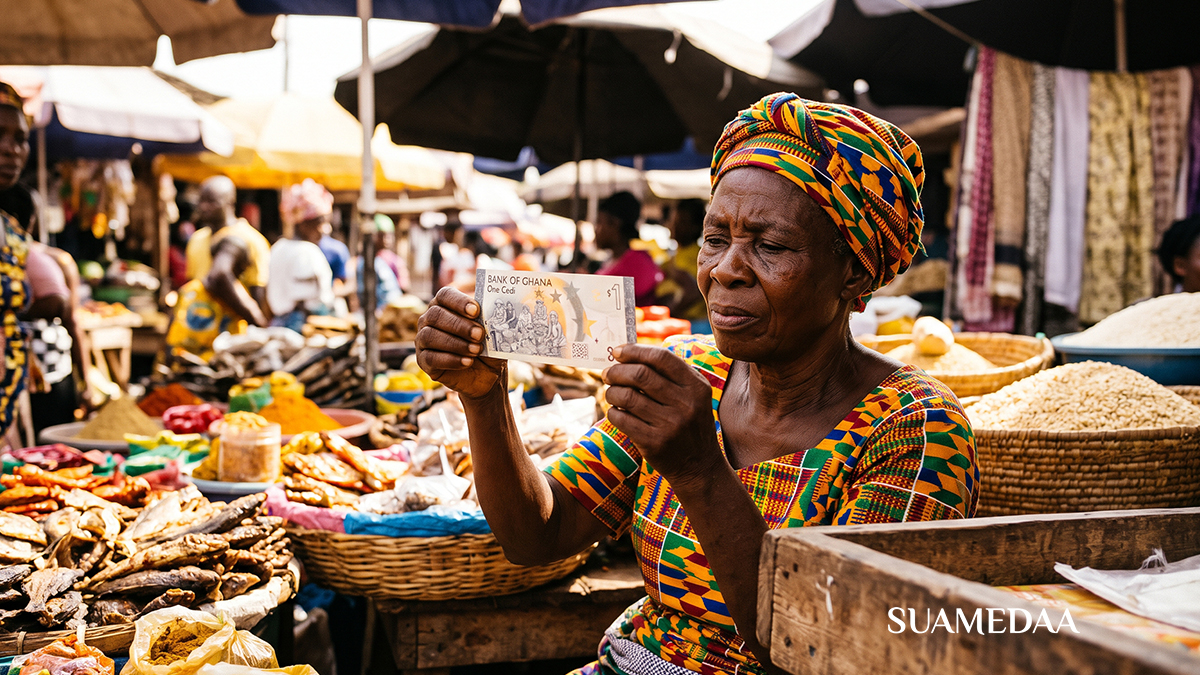
Akan is spoken by roughly 11 to 20 million people, primarily in Ghana, where it functions as the most widely spoken indigenous language and a de facto lingua franca in the southern and central regions. It is also spoken across the border in eastern Ivory Coast. In Ghana, Akan is used extensively in markets, churches, radio and television broadcasts, and popular music, giving it a presence in daily life that extends well beyond its native speakers.
Because of migration and trade, many Ghanaians who grow up speaking other languages, such as Ewe, Ga, or Dagbani, also learn Akan as a second language, further cementing its role as a unifying tongue within the country.
Basic Features of the Language
Akan is a tonal language, meaning that the pitch at which a word is spoken can change its meaning entirely. This makes tone just as important as vowels and consonants when learning to speak Akan correctly. It uses two primary tones, high and low, and getting them right is essential for being understood.
The language also makes extensive use of vowel harmony, a system in which the vowels within a word tend to share certain qualities, creating a smooth and rhythmic flow to speech. Akan nouns are typically formed with prefixes rather than suffixes, and the language relies on a subject verb object sentence structure similar to English, which can make basic sentence building somewhat approachable for new learners even as tone and pronunciation present a steeper challenge.
Akan is written using the Latin alphabet with a few additional characters to represent sounds not found in English, such as the open vowels represented by the letters “3” and “ɔ.”



Everyday Words and Phrases
A few common expressions offer a glimpse into the language:
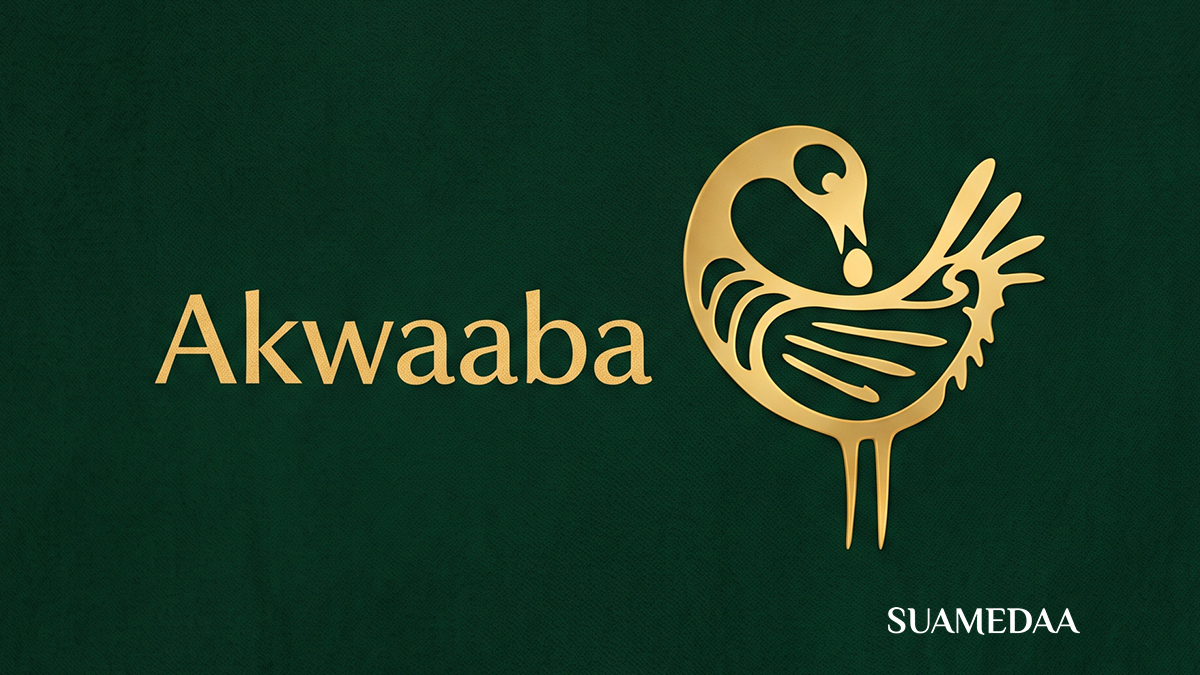
- Akwaaba – Welcome
- Medaase – Thank you
- Ɛte sɛn – How are you
- Me ho ye – I am fine
- Yɛbɛhyia bio – We will meet again
- Nante yie – Go well or safe travels
The word “Akwaaba” in particular has traveled far beyond Ghana’s borders, often appearing on welcome signs, in hospitality branding, and in the names of businesses across the African diaspora.
Proverbs and Cultural Weight
One of the most distinctive features of Akan is its deep reliance on proverbs, known as “ebe” in Twi. Akan proverbs are not simply decorative sayings but serve as vehicles for wisdom, moral instruction, and conflict resolution, often invoked during formal speech, chieftaincy proceedings, and everyday conversation. Many of the well known Adinkra symbols associated with Akan culture, such as the Sankofa bird, are themselves visual representations of proverbs, linking language, philosophy, and art into a single cultural system.
Akan naming traditions also reflect linguistic and cultural depth. Many Akan people receive a name based on the day of the week they were born, known as a “kradin” or soul name. For example, a boy born on Sunday is traditionally named Kwasi, while a girl born on the same day is named Akosua.
Why Learn Akan
For those with family ties to Ghana, interest in West African history, or plans to travel or do business in the region, Akan offers practical value alongside cultural richness. Ghana’s economy, one of the more stable and rapidly developing in West Africa, conducts much of its informal commerce in Akan, particularly Twi. Beyond commerce, the language offers direct access to a proverbial and philosophical tradition that has shaped Ghanaian identity for generations.



Akan stands as a living testament to the depth and sophistication of West African oral tradition, combining tonal complexity, proverbial wisdom, and cultural symbolism into a single, vibrant language. As Ghana continues to grow in regional and global influence, Akan remains not only a practical tool for communication but also a gateway into a worldview built on wisdom, respect, and history. Learning even the basics of Twi or Fante offers a meaningful entry point into one of West Africa’s richest cultural traditions.