
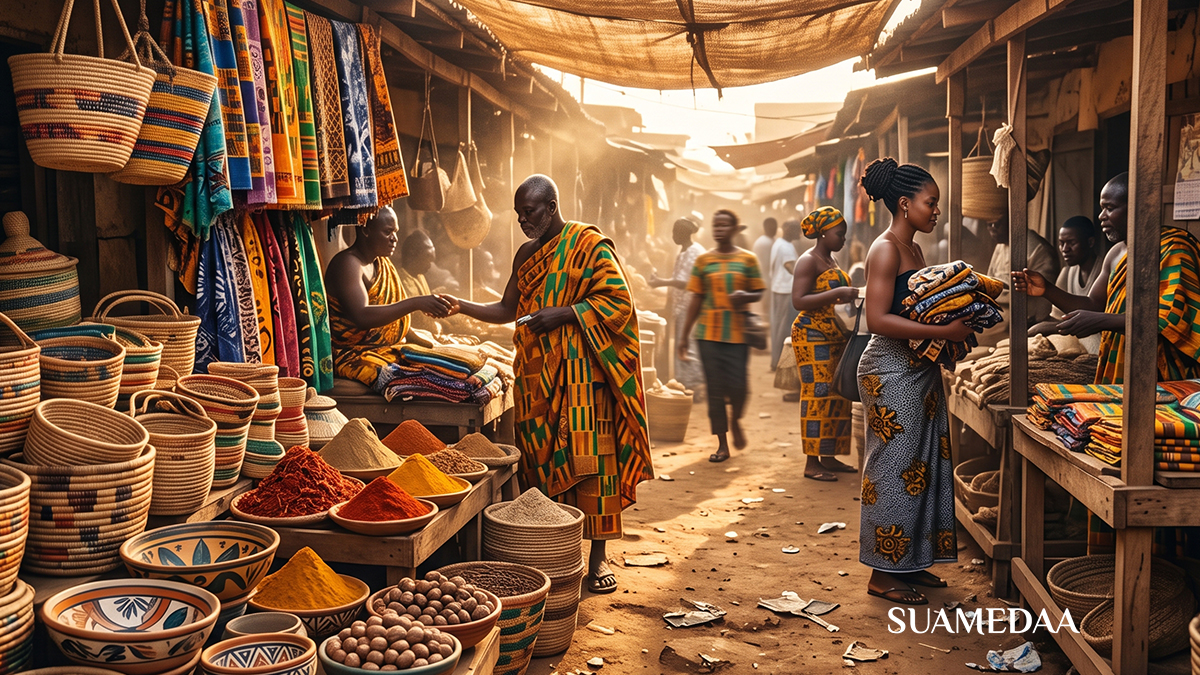
The Journey of African Market Squares – From Ancient Crossroads to Digital Frontiers
Long before shopping malls, supermarkets, or e-commerce platforms arrived on the continent, the market square already stood at the center of African economic and social life. Across thousands of years and thousands of communities, the market has served as far more than a place to buy and sell: it has been a courtroom, a stage for performance and news, a marriage bureau, a site of political organizing, a classroom for children learning the rhythms of trade, and the truest barometer of a region’s economic pulse. To trace the journey of the African market square is to trace the journey of African commerce, urbanization, gender relations, and community life all at once.
This article follows that journey from its earliest roots through the colonial disruption and transformation of trading systems, into the era of independence and urban growth, through the great sprawling markets that define contemporary African cities, and finally into the digital transformation now reshaping how, where, and by whom African trade happens. Along the way, it examines the particular institutions, most notably the market women who have long governed and animated these spaces, that make the African market square a distinctive and enduring social and economic institution.
1. Ancient and Precolonial Origins
Organized markets in Africa predate European contact by many centuries, emerging alongside the trans-Saharan trade networks that connected West African kingdoms to North Africa and, through those routes, to the wider Mediterranean and Middle Eastern trading world. Cities such as Timbuktu, Gao, and Djenné in the medieval Mali and Songhai empires grew wealthy in significant part because of their position along these trade routes, hosting markets that dealt in gold, salt, textiles, and enslaved people, among other goods, and drawing merchants from across a vast geographic expanse.

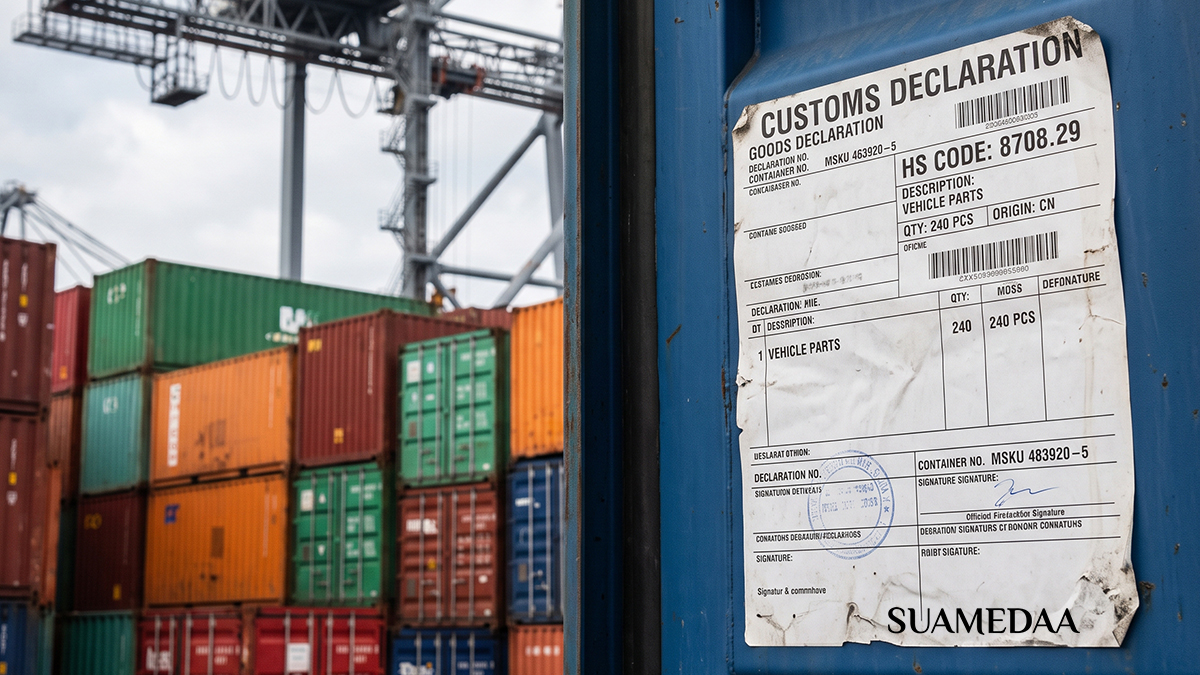

Beyond these famous long-distance trading hubs, most African societies developed their own local and regional market systems suited to their specific economic and social structures. Among the Yoruba of what is now southwestern Nigeria, market days followed a structured rotating cycle across neighboring towns, allowing traders to move between different local markets on different days of a recurring cycle, a system that maximized trading opportunities in a world without instant communication or rapid transport, while also reinforcing economic and social ties between neighboring communities who would regularly encounter one another at these rotating markets. Similar rotating or periodic market systems, in which specific market days recurred on a fixed cycle, whether every four, five, seven, or eight days depending on the particular society’s calendar system, developed independently across numerous regions of the continent, reflecting a widespread and independently arrived-at solution to organizing trade in societies without a permanent, daily commercial center in every location.
Markets in this era were rarely purely commercial spaces. They frequently doubled as sites for settling disputes, announcing important community news, arranging marriages, and displaying political authority, with chiefs or local rulers sometimes using market gatherings as an occasion to address assembled community members from a wide catchment area who would not otherwise gather together so regularly.
2. The Central Role of Women
Across a great many African societies, market trading, particularly in food and everyday household goods, has long been dominated by women, and this pattern has proven remarkably persistent across the centuries and across colonial and postcolonial disruption alike. Among the Akan peoples of Ghana, and in Yoruba society in Nigeria, women traders historically organized themselves into structured hierarchies, often headed by a senior market woman holding significant authority over pricing norms, dispute resolution among traders, and the market’s relationship with local political authorities. This role, sometimes translated into English as “market queen” or by titles specific to particular ethnic groups, carried genuine social and economic power, and women holding these positions were frequently among the most economically influential and politically consequential figures within their communities, despite operating within societies that, in many other respects, restricted women’s formal political authority.
This female-dominated market trading tradition has continued into the present day with remarkable continuity. Major contemporary markets across West Africa in particular remain overwhelmingly staffed and, in significant respects, governed by women traders, whose collective economic weight and organizational capacity have made market women’s associations significant social and political actors in their own right, capable of mobilizing collectively around issues affecting market conditions, taxation, or relocation, and sometimes wielding real influence over local political processes as a result.
3. Colonial Disruption and Transformation
The arrival of European colonial administration brought significant disruption to existing African market systems, though the nature and extent of that disruption varied considerably by region and colonial power. Colonial authorities frequently sought to formalize, tax, and regulate markets that had previously operated according to indigenous customary structures, introducing licensing requirements, market taxes, and, in many cases, physically relocating or reconstructing markets to fit colonial urban planning objectives, which often prioritized order, sanitation standards reflecting European sensibilities, and ease of taxation over the existing organic layout and social structures of precolonial markets.


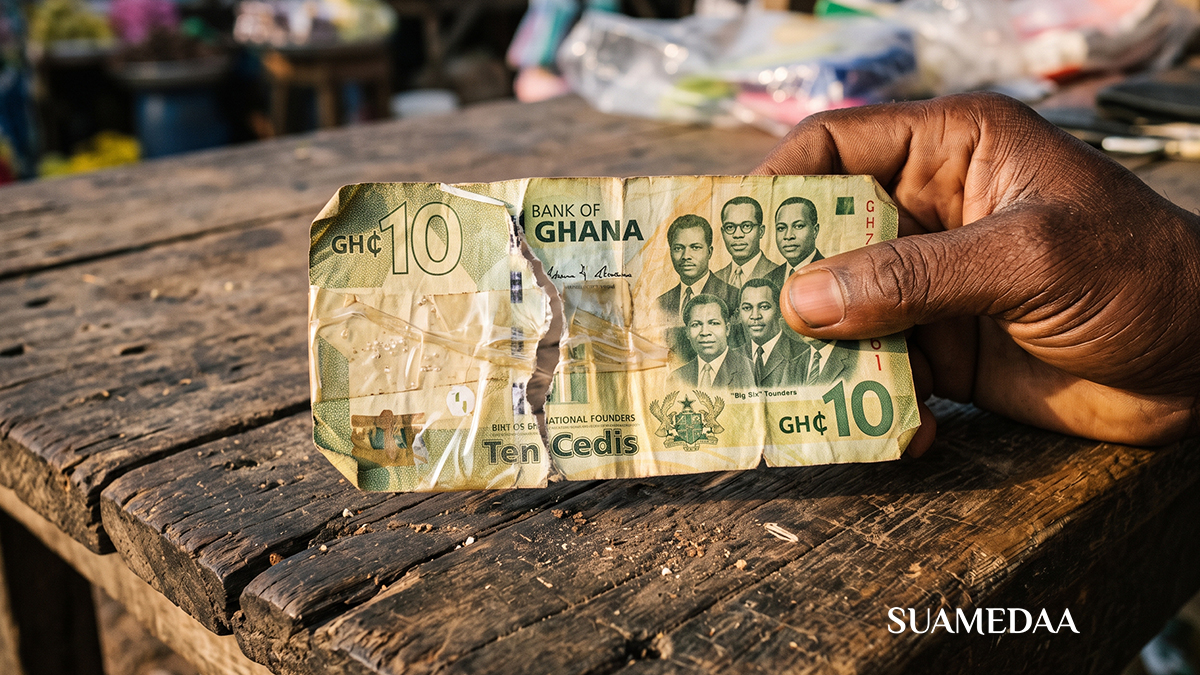
Colonial trade policy also reshaped what was bought and sold within African markets, as colonial economies were increasingly oriented toward producing raw materials and cash crops for export to the colonizing country, while manufactured goods flowed in the opposite direction, gradually displacing some categories of locally produced goods that had previously been traded within indigenous market networks. This shift did not eliminate African market trading, which proved remarkably resilient and adaptive, but it did significantly alter the mix of goods available and reshaped trading relationships around new colonial-era transport infrastructure, including railways and roads that often followed routes designed to move export commodities to coastal ports rather than routes optimized for existing indigenous trading patterns.
At the same time, some colonial administrations, recognizing the practical value and revenue potential of existing market systems, invested in formal market infrastructure, including purpose-built market halls and stalls in major towns, some of which remain in active use today, representing physical structures that have themselves become historic and culturally significant landmarks within contemporary cities even as the markets they house have evolved considerably in the goods and trading patterns they accommodate.
4. Independence, Urbanization, and Market Growth
The decades following independence brought rapid urbanization across much of the continent, as populations migrated from rural areas to expanding cities in search of economic opportunity, and this urban growth drove a corresponding expansion in the scale and significance of urban market squares, which absorbed a significant share of the informal economic activity that formal, wage-based urban employment could not accommodate for a rapidly growing urban population. Markets that had once served primarily local or regional trading needs grew into sprawling commercial districts serving hundreds of thousands or, in the largest cases, millions of customers and encompassing thousands of individual traders specializing in an enormous range of goods and services.
This period also saw the emergence of the specific, often internationally renowned mega-markets that continue to define major African cities today. Balogun Market and the broader Lagos Island trading district in Nigeria, Kejetia Market in Kumasi, Ghana, once recognized as one of the largest markets in West Africa before its redevelopment into a more formalized modern market complex, Marché Sandaga in Dakar, Senegal, and Mercato in Addis Ababa, Ethiopia, widely cited as one of the largest open-air markets in Africa, all grew substantially during this era into the vast, densely organized commercial ecosystems recognized today, each developing its own internal organization, typically with specific sections or streets specializing in particular categories of goods, from textiles to electronics to fresh produce to auto parts, reflecting an organic but often remarkably sophisticated internal logic developed over decades of organic growth.
5. The Physical and Social Architecture of the Market
Contemporary African market squares, despite enormous variation across the continent, tend to share certain recognizable structural and social features that have carried forward, in adapted form, from much older market traditions. Markets typically organize spatially by product category, with traders selling similar goods clustering together in recognized sections, a pattern that serves both traders, who benefit from customers knowing exactly where to find a given category of goods, and customers, who can efficiently compare offerings from multiple traders selling similar products without needing to search across an entire market.
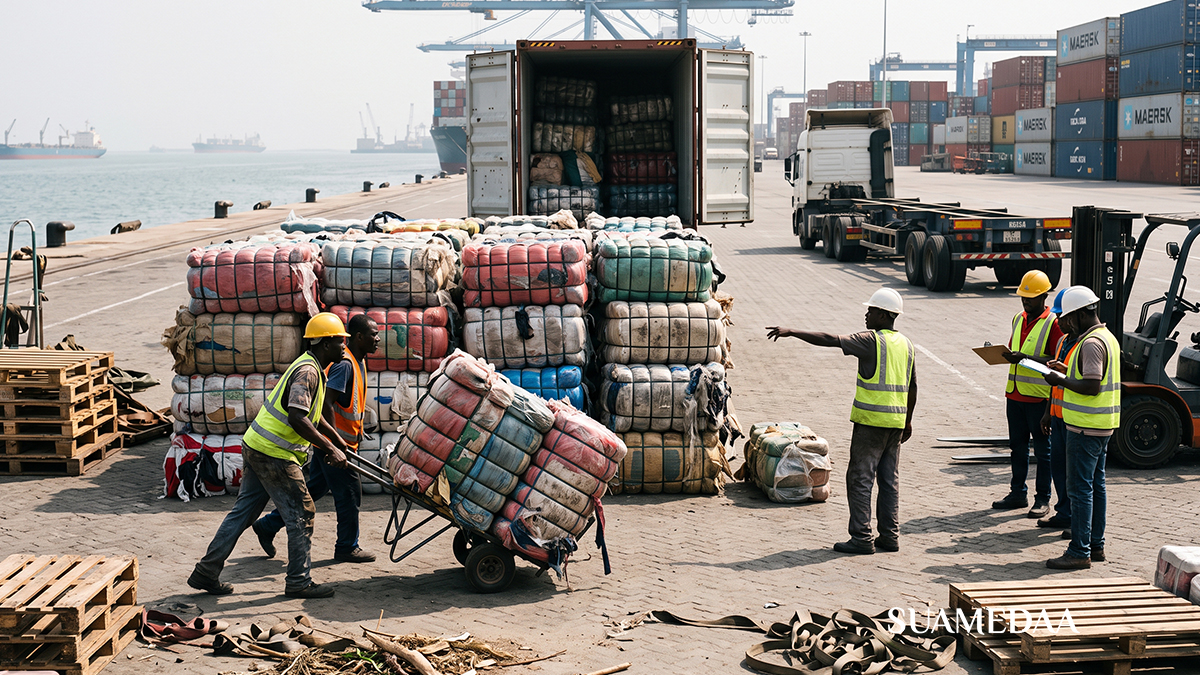


Market associations, often organized by product category or by section of the market, continue to play a significant governance role within many contemporary markets, mediating disputes between traders, negotiating collectively with municipal authorities over issues including taxation, market fees, and infrastructure investment, and in many cases maintaining informal systems of credit and mutual support among members that substitute for the formal banking access many market traders, particularly smaller traders, may lack. This associational structure represents a direct continuation of the market governance traditions established by market women’s associations and similar bodies in earlier eras, adapted to the scale and complexity of contemporary urban markets.
6. Markets as Sites of Social and Cultural Life
Beyond their commercial function, African market squares have continued to serve, much as they did in earlier centuries, as significant sites of social interaction, cultural exchange, and community identity. Markets are frequently among the most linguistically and ethnically diverse spaces within a given city, drawing traders and customers from across a wide catchment area and, particularly in border regions or major trading hubs, from multiple countries, making the market a genuine crossroads of cultural exchange in a very literal, physical sense.
Markets also frequently serve as informal sites of political and social organizing, given the large, regularly gathering populations of traders and customers they bring together, and market women’s associations in particular have, at various points across different countries, played notable roles in broader political movements, including instances of market traders organizing collective action around issues ranging from taxation policy to broader political grievances, reflecting the genuine social and organizational weight that market-based communities have historically carried within many African societies.
7. Challenges Facing Contemporary Markets
Despite their continued vitality, African market squares face a range of significant contemporary challenges. Physical infrastructure in many major markets has struggled to keep pace with the volume of trading activity they host, with issues including inadequate drainage, waste management, and fire safety representing persistent and sometimes serious concerns, occasionally resulting in devastating market fires that have destroyed entire market sections and the livelihoods of thousands of traders in a single incident, a recurring tragedy that has affected major markets in multiple countries over the years and prompted, with varying degrees of follow-through, calls for improved fire safety infrastructure and market redevelopment.
Urban planning tensions represent another persistent challenge, as municipal authorities in numerous cities have periodically pursued market relocation or redevelopment projects intended to formalize, modernize, or simply relocate traditional markets, sometimes to make way for other urban development priorities, generating significant tension and, in some notable cases, sustained resistance from established trading communities who often possess deep social, economic, and sometimes multi-generational attachment to their existing market location and structure, attachment that formal redevelopment plans do not always adequately account for or accommodate.
Competition from formal retail, including supermarkets and shopping malls that have expanded significantly in many major African cities over the past two decades, represents a further pressure, particularly for market segments serving a growing urban middle class increasingly drawn to the convenience, consistent pricing, and different shopping experience that formal retail offers, even as traditional markets generally retain significant price advantages and continue to serve the large majority of the population, particularly for fresh food and lower-income consumers, who remain price sensitive and for whom traditional market trading structures, including the ability to negotiate price and purchase in small, affordable quantities, remain genuinely important.
8. Digital Transformation and the Modern Market
The most recent chapter in the journey of the African market square involves its gradual and uneven engagement with digital technology. Mobile money, discussed extensively in the context of African fintech more broadly, has become widely adopted within traditional market trading, allowing traders and customers to transact without the security risks and practical inconveniences of handling large volumes of cash, a shift that has proven particularly significant given how much of Africa’s traditional market trading has historically operated on a cash basis.
Social media and messaging platforms have also become significant tools for market traders seeking to reach customers beyond those who physically visit the market, with a growing number of traders using platforms to showcase products, take orders, and coordinate delivery, effectively extending the market’s reach digitally without necessarily requiring customers to visit in person. This has proven particularly significant for certain categories of goods, including fashion and textiles, where visual presentation translates well to social media marketing.
More formal e-commerce platforms, some specifically designed to connect traditional market traders with online customers, represent a further, still relatively nascent, layer of digital transformation, aiming to bring some traditional market traders into structured online marketplaces with standardized product listings, digital payment integration, and delivery logistics support. Adoption of these more formal platforms has generally proceeded more slowly than the informal adoption of mobile money and social media marketing, reflecting both the practical challenges of digitizing an enormously varied and often informally organized trading population, and the genuine value many customers continue to place on the traditional market experience of physically inspecting goods, negotiating price directly, and engaging with a personal, ongoing trading relationship with a specific, known trader.
9. The Enduring Economic Significance of Markets
Despite the growth of formal retail and the gradual, uneven advance of digital commerce, traditional market squares remain economically indispensable across the large majority of African economies, accounting for a very significant share of retail trade, particularly in food and everyday consumer goods, and representing a critical source of livelihood and economic opportunity, especially for women, for whom market trading has historically represented one of the most accessible paths to economic independence and income generation available within many African societies, particularly in contexts where formal employment opportunities, and particularly formal employment opportunities open to women, have remained limited.
Markets also continue to play a crucial role in food security and affordability, providing the primary channel through which fresh produce moves from farmers to urban consumers across much of the continent, often through market-based intermediary traders who aggregate produce from numerous small-scale farmers and distribute it to urban market vendors, a distribution function that, while sometimes criticized for the number of intermediary margins it can involve between farmer and final consumer, nonetheless represents a resilient, flexible, and deeply established distribution system that has proven remarkably effective at moving food through economies where formal cold chain and wholesale distribution infrastructure remains limited in many areas.
10. Looking Ahead
The journey of the African market square is far from over, and its next chapters are likely to be shaped by several converging forces. Continued urbanization will keep driving demand for market space and infrastructure in rapidly growing cities, placing ongoing pressure on municipal authorities to invest in market redevelopment that improves safety and sanitation without displacing or disrupting the established trading communities that depend on these spaces. Digital technology will likely continue its gradual, uneven integration into market trading, most successfully where it enhances rather than attempts to fully replace the trust-based, relationship-driven trading culture that has long characterized African markets. And the enduring social and cultural significance of markets, as spaces of community gathering, cultural exchange, and, in particular, women’s economic and social organization, seems likely to persist even as the physical and technological form of the market continues to evolve, much as it has evolved continuously across the many centuries already covered in this remarkable institution’s long journey.
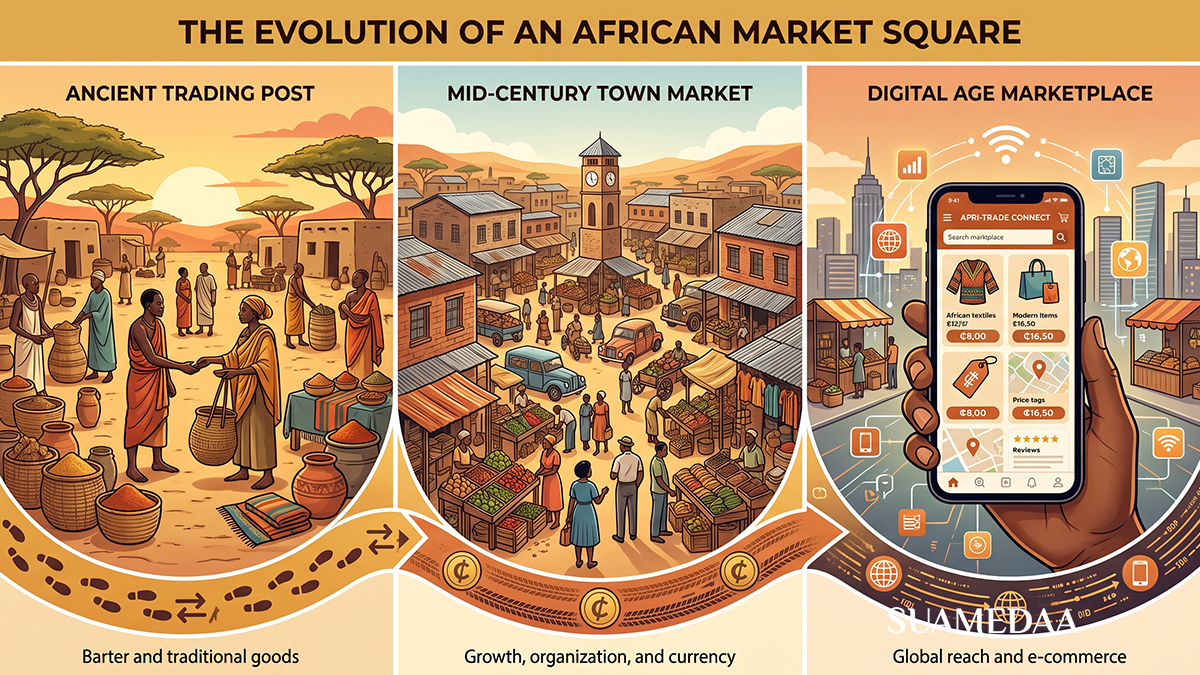
From the rotating market days of precolonial Yoruba towns to the sprawling, globally connected trading districts of contemporary Lagos, Kumasi, Dakar, and Addis Ababa, the African market square has proven itself one of the continent’s most resilient and adaptive institutions, absorbing colonial disruption, surviving and evolving through independence-era urbanization, and now navigating, in its own characteristically gradual and pragmatic way, the arrival of digital commerce. Throughout this long journey, certain elements have remained remarkably constant: the central economic and social role of women traders, the market’s function as far more than a simple site of commercial exchange, and the deep, organic organizational logic that traders and their associations have developed and maintained across generations. Understanding this journey offers not just a window into African economic history, but a genuine appreciation for an institution that continues, in the present day, to anchor the daily economic and social life of hundreds of millions of people across the continent.