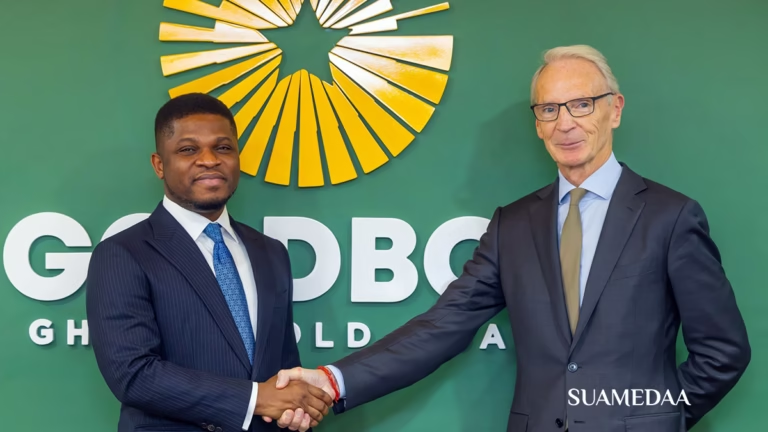
Virtual Asset Bill almost active in Ghana
Before appreciation could be arrived at; it is good to have a firm resolve of what Virtual Assets are. The are digital representations of value something you may be familiar with in the FIAT sense.
In the Fiat sense
Fiat money refers to currency issued by a government that lacks intrinsic value and is not backed by a physical commodity like gold or silver. Its value derives from public trust in the issuing authority and legal tender status, enforced by government decree. The term “fiat” comes from Latin, meaning “let it be done,” reflecting its basis in official order rather than tangible backing. So in nutshell, the value is derived by the shared collective agreement to trust the pieces of papers of metal tablets notarised collectively into by the public through decree.
Major currencies shifted to fiat after the 1971 end of the gold standard via the Nixon Shock, fully formalized by the 1976 Jamaica Accords. Examples include the US dollar, euro, and yen, which dominate global trade.
A Curated Guide to Ghana’s Vibrant Markets and Artisan Culture
Here is a deep dive into the best places to experience Ghana’s vibrant commerce and artisan culture.
Read More
Ghana Interior Ministry Warns of Moderate Rain and Flooding Risk This Monday Morning
The Interior Ministry's advisory is part of a broader effort by government agencies to improve early warning communication…
Read More
Taxation in Ghana – How the System Works and What Has Changed in 2026
Ghana's tax system is administered by the Ghana Revenue Authority (GRA), the body responsible for collecting taxes, enforcing…
Read MoreFiat enables governments to adjust money supply during crises, promoting growth. However, excessive printing can lead to hyperinflation, as seen in historical cases like Zimbabwe.
Back to Virtual Asset
The same idea is at play here without necessarily stemming from a decree however through patronage and trust. Virtual assets represent digital forms of value that exist on blockchain or distributed ledger technology, enabling trading, transfer, or use for payments and investments. Unlike fiat money, which relies on government decree, virtual assets like cryptocurrencies derive value from cryptography, scarcity, and network consensus rather than central authority.
There is an intergovernmental body stemming out of the United Nations G7 (Financial Action Task Force (FATF) supposedly to be a representation of the Continent of Nations, though its locus is incomplete as it does not fully represent this feat as there is active repair on this situation mostly in context of the Continent of Africa’s representation.
The Financial Action Task Force (FATF) defines a virtual asset as any digital representation of value that can be digitally traded or transferred for payment or investment, excluding digital fiat currencies. Examples include Bitcoin, Ethereum, NFTs, and stablecoins, which function as mediums of exchange, units of account, or stores of value.
The Makeup of FATF
The Financial Action Task Force (FATF) comprises 39 full members, including major economies and regional bodies, plus observer organizations. Russia’s membership remains suspended as of 2025.

Ghana’s Flood Disaster – A Recurring Crisis fueled by indiscipline
Ghana's flooding crisis continues in 2026, with Accra and Tema underwater again today. Read what's driving the disaster…
Read More
How to Rescue Your Best Outfits – A Guide to Removing tough Stains from African Fabrics
Spilling something on a basic cotton t-shirt is annoying, but spilling oil on a custom-tailored Adire two-piece or…
Read More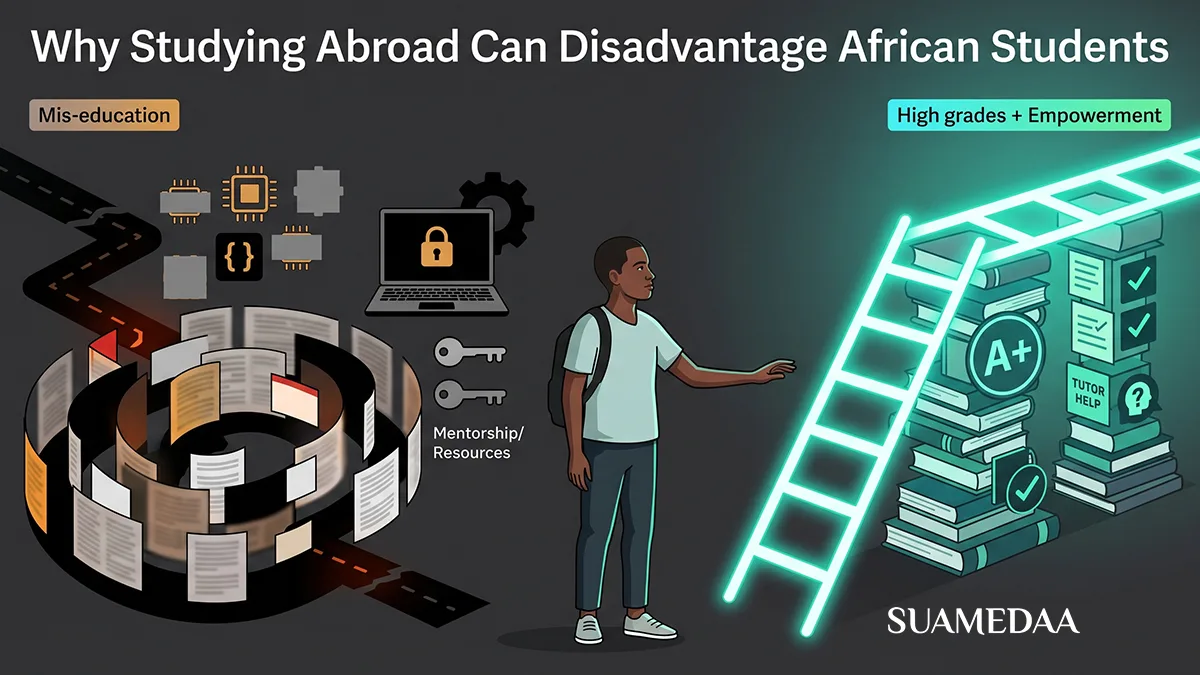
Why Studying Abroad Can Disadvantage African Students
Discover how studying abroad can sometimes disadvantage African students through intentional mis-education, blocked technology access, and unfair preparation…
Read MoreFull Member Countries
Argentina, Australia, Austria, Belgium, Brazil, Canada, China, Denmark, Finland, France, Germany, Greece, Hong Kong (China), Iceland, India, Indonesia, Ireland, Israel, Italy, Japan, Luxembourg, Malaysia, Mexico, Netherlands, New Zealand, Norway, Portugal, Saudi Arabia, Singapore, South Africa, South Korea, Spain, Sweden, Switzerland, Turkey, United Kingdom, United States.
Regional Bodies
European Union (EU), Gulf Cooperation Council (GCC).
Network Reach
FATF’s global influence extends through 9 FATF-Style Regional Bodies (FSRBs), covering about 200 jurisdictions total, enabling worldwide enforcement of its standards.
Relation to Fiat
Virtual assets contrast with fiat by operating peer-to-peer without intermediaries, offering decentralization but introducing volatility and regulatory scrutiny. Fiat holds stable value through trust in governments, while virtual assets prioritize immutability and global accessibility.
Relatable instances:

Ghana 2025 Constitution Review – Learning, Participation, and What Comes Next
The review matters because a constitution is meant to do more than provide political procedures. It should also…
Read More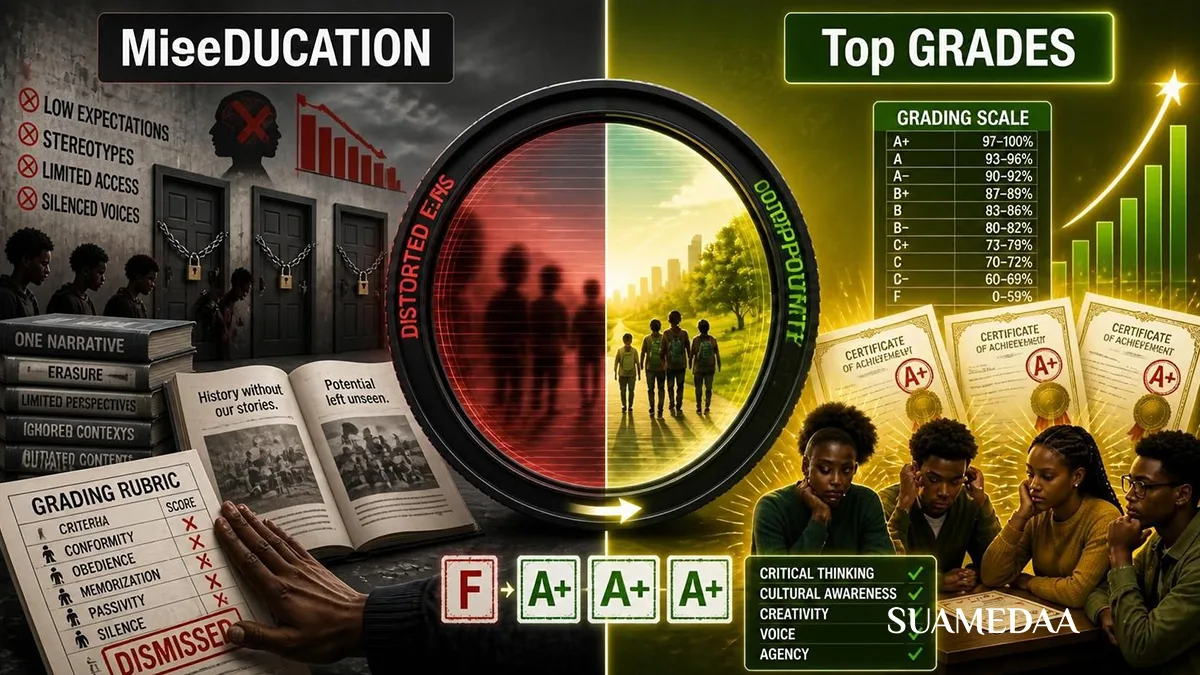
Intentional marginalisation of some outside Africa institutions miseducating African students but guaranteeing them top grades
Intentional marginalisation of some outside-Africa institutions can shape how African students are taught, assessed, and represented. When educational…
Read More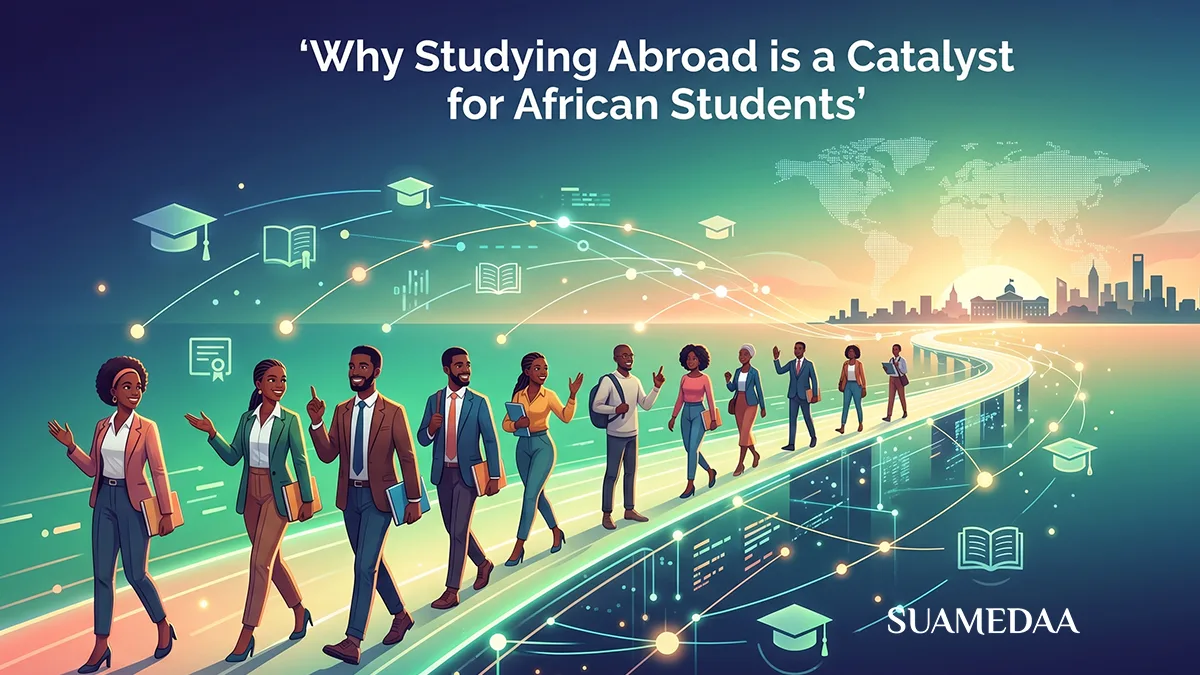
Why Studying Abroad may be a Catalyst for African Students
Moving across the globe to pursue higher education is a monumental decision that requires equal parts courage and…
Read More- Cryptocurrencies like Bitcoin for peer-to-peer payments.
- NFTs representing unique digital ownership, such as art or collectibles.
- Stablecoins pegged to fiat for reduced volatility
In Ghana
In Ghana there have been an ongoing conversation on regulation which has received endorsement from the Ghanaian Parliament this month of December 2025 awaiting Presidential accent possibly sometime in 2026.
- The benefits of Mango TeaMango leaf tea is a refreshing herbal drink with a naturally fragrant flavor, traditionally enjoyed for its wellness benefits; learn how to brew it and enjoy a soothing cup.
- A Curated Guide to Ghana’s Vibrant Markets and Artisan CultureHere is a deep dive into the best places to experience Ghana’s vibrant commerce and artisan culture.
- The Wisest Profit Margin to Make on Product Sales – A Detailed Guide for Sellers and EntrepreneursWhat percentage should you actually mark up your products? The answer is more nuanced than any single number, but the principles are clear, time-tested, and learnable.
- Ghana Interior Ministry Warns of Moderate Rain and Flooding Risk This Monday MorningThe Interior Ministry's advisory is part of a broader effort by government agencies to improve early warning communication to the public and reduce the human and economic cost of weather-related emergencies.
- The Hidden Architecture of Decision Making – Six Traps That Undermine StrategyTable of Contents 1. Sunk Cost Fallacy 2. Confirmation Bias 3. Overconfidence 4. Anchoring 5. The Planning Fallacy 6. Loss Aversion How These Traps Interact Closing Thought Knowing the right mental tools is only half the battle. Even people who understand second order thinking, mental simulation, and strategic withdrawal can still make poor decisions, because the… Read more: The Hidden Architecture of Decision Making – Six Traps That Undermine Strategy